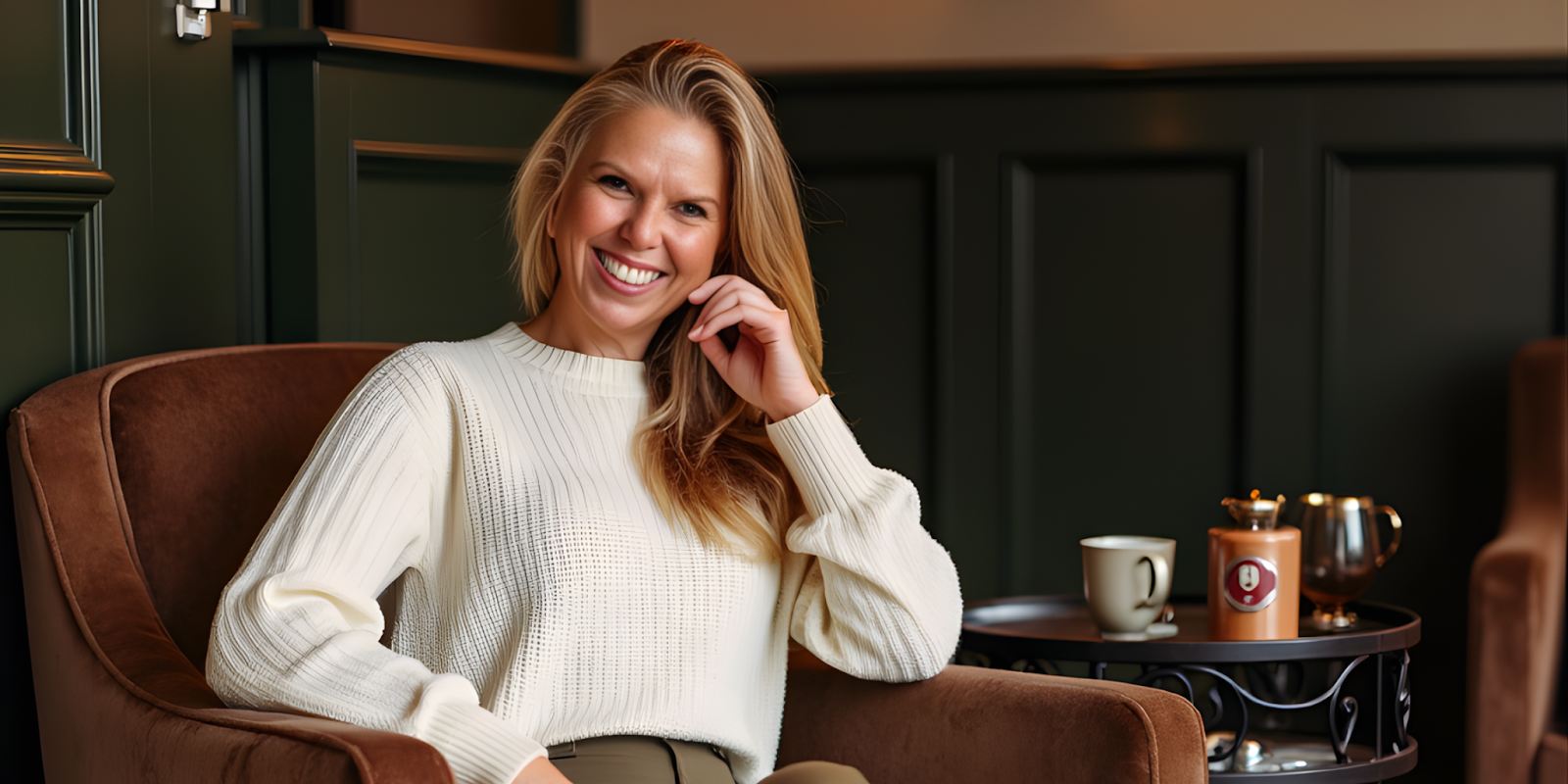
How one former psychotherapist is teaching powerful women to grow up financially by changing their relationship with money.
On a quiet stretch of beach on the south east coast of England, Jo Warwick sat with a question that would not let her go. She had spent years in the therapy room, watching women do the deep work. They left unhealthy relationships, healed attachment wounds, claimed their boundaries, and built lives that finally felt like their own. Yet the same women who had learned to choose partners with care still felt anxious, reactive, or strangely powerless when it came to money. That paradox is where Jo Warwick The Money Therapist was born.
It was not that these women were struggling to earn. Many were leading teams, building businesses, or holding demanding professional roles. On paper they were successful. In practice they were often caught in an immature, inconsistent relationship with money that mirrored dynamics they had already outgrown in love. As a former elite athlete and relationship psychotherapist, Jo recognised the pattern. No one had ever taught these women how to grow up financially.
How Jo Warwick The Money Therapist Emerged
Before she became known as Jo Warwick The Money Therapist, Jo lived another kind of discipline. She trained and competed in elite sport, moving toward Olympic-level performance. Those years taught her mental resilience, identity mastery, and the pressure of constantly being measured. Growth was not a concept. It was a daily practice in her body.
When she transitioned into psychotherapy, Jo brought that same focus into the emotional world. For more than a decade she worked with trauma, attachment, security, power, and love. She saw what it took for a woman to rebuild trust with herself and with others. Her work culminated in The Big Book of Love: Loving Yourself, Dating with Love, Loving Relationships. By any standard, she was an expert in relationships.
Then she noticed the glitch.
Women who had done extraordinary inner work were still living in fear of their bank balance or outsourcing financial decisions entirely. As Jo explains, “Women have done the work to grow up emotionally. We have learned boundaries. We have learned self-worth. We have learned what healthy relationships feel like. But no one ever taught us how to grow up financially, and that shows in the relationship we are still tolerating with money.”
 The Hidden Immaturity In Women’s Money Relationships
Jo Warwick The Money Therapist argues that many modern women carry two conflicting money identities. On one side sits lingering 1950s housewife conditioning. On the other side sits a hyper-achieving, push-harder version of power. Both are relational responses to money, and both keep women from genuine financial maturity.
In the first pattern, money remains distant or controlled by others. A woman may be highly capable in life, yet when it comes to finances she defers, avoids, or feels she must justify every decision. Underneath is an old story that serious money belongs to someone else, often a man, or to an abstract institution that cannot be influenced.
In the second pattern, a woman chases power through constant overdrive. She works more, hustles harder, and tries to outrun her unease with volume. Outwardly this can look strong. Inwardly it can feel like a relentless proving cycle. In both cases the relationship with money is still immature. It is reactive, approval-seeking, or avoidant, rather than grounded, mutual, and secure.
“Most women are not bad with money,” Jo says. “They are operating from inherited patterns, generational conditioning, outdated power dynamics, and financial immaturity that was never addressed. When that shifts, everything shifts.”
Why Money Is A Relationship, Not Just Numbers
The defining thesis of Jo Warwick The Money Therapist is simple. Money behaves like a relationship.
“Money is not just numbers in a bank account,” she explains. “It behaves like a relationship. It can feel secure and supportive, or inconsistent, distant, and power-driven. Until a woman looks at that dynamic, earning more will not fix what feels unstable.”
In practice this means Jo does not start with spreadsheets or stock charts. She starts with patterns. How does money show up in a client’s life? Is it volatile or reliable? Does she experience it as nurturing or withholding? Does she feel she has to chase it, plead with it, or overperform to keep it.
From there she integrates psychology, energetics, Human Design, and two decades inside business and entrepreneurship. The aim is not to bypass practical responsibility. It is to anchor it in a mature inner stance. A financially mature woman understands her value, can tolerate looking at the full picture, and is willing to build a secure, supportive dynamic with money over time. Financial flow then grows from stability, not from adrenaline or force.
Redefining Financial Maturity For Modern Women
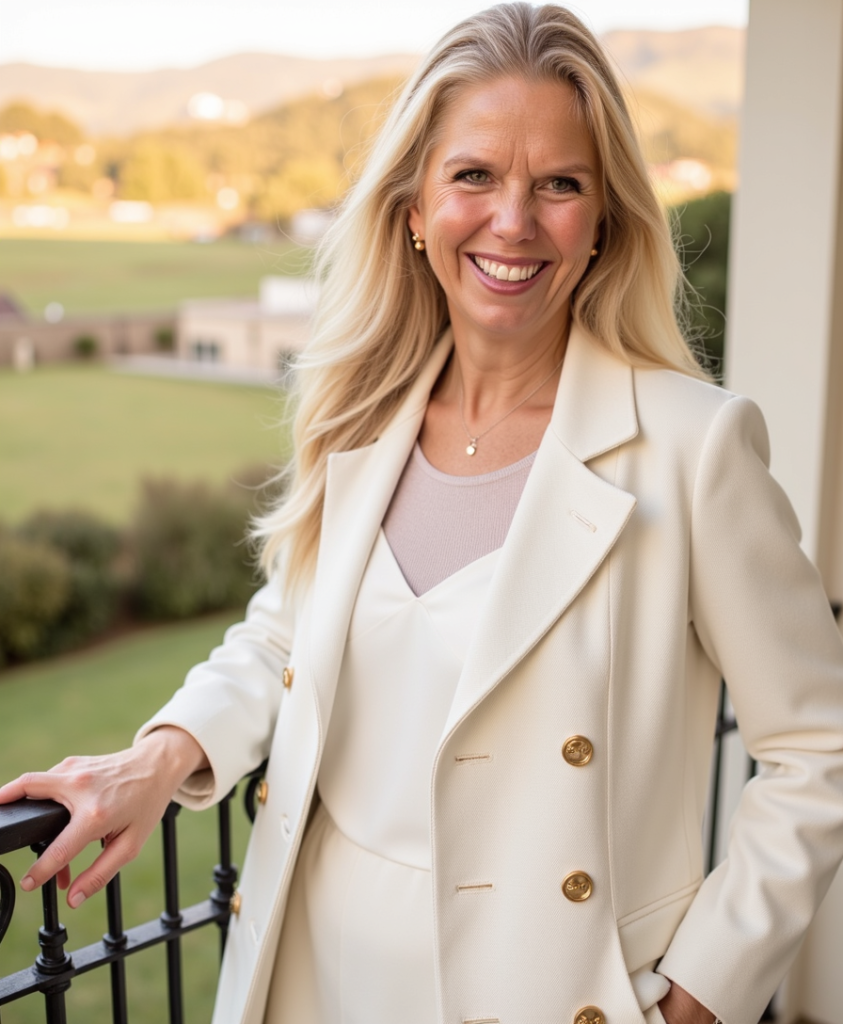 Financial maturity, in the world of Jo Warwick The Money Therapist, is not about playing a traditionally masculine game more aggressively. It is about authority and intimacy coexisting. A financially mature woman can make clear decisions, hold boundaries, and still allow herself to receive.
Women today lead households, raise children, build careers and companies, and hold communities together. They manage schedules, logistics, emotional labour, and strategic thinking all at once. Jo is clear that they are not fragile and not naïve. The gap is not capability. The gap is that no one ever normalised financial identity as part of a woman’s emotional evolution.
This is why Jo focuses so strongly on identity and relationship dynamics. Many women unconsciously repeat old stories. Money is dangerous, or shameful, or a source of conflict. Power belongs to someone else. Asking for more is greedy. These beliefs create an inner ceiling that no strategy can override. When the story shifts from “I must prove my worth” to “I am a capable partner to money,” behaviour changes. Choices change. Results change.
“You have outgrown immature dynamics in love,” Jo often tells her clients. “Why are you still accepting them for money?”
From Glitches To Gold: The Work In Action
Today Jo lives by the sea in the United Kingdom and works with women around the world through her company, Jo Warwick The Money Therapist, and her podcast, Glitches to Gold. Her work helps clients identify their specific money glitches, understand the relational pattern beneath them, and alchemise those patterns into stability and growth.
Her approach is deliberately calm and grounded. She does not shame or scold women for past choices. She does not promise overnight transformation. Instead she meets women as equals. There is a clear respect in her work for how much responsibility women already hold, and for how much they have already survived and created. The invitation is to let their relationship with money finally catch up with the woman they have become in every other area of life.
For emotionally intelligent women who sense that their money relationship is lagging behind their personal evolution, that invitation can feel like relief. It is permission to grow up financially without abandoning sensitivity, intuition, or integrity. It is a way to hold both maturity and magic.
Explore More About Jo Warwick, The Money Therapist
To learn more about Jo Warwick, The Money Therapist, and her work on money relationships:
- Visit her website: Glitches to Gold
- Connect on Instagram for tips and updates
- Listen to her podcast for insights, interviews, and strategies to align your money with the woman you’ve become
For a deeper dive into Jo’s work, start with her free guidebook: The Hidden Money Patterns: Why Some Modern Women Are Great With Money—and Others Aren’t. It’s a practical first step to understanding your money relationship and transforming it.