In 2025, American lifestyles are experiencing a transformative shift toward minimalism and mindfulness. As the world becomes more complex, people are seeking simpler, more intentional ways of living that foster a deeper connection to their surroundings and their well-being. This movement is not just about decluttering physical spaces, but also about focusing on meaningful experiences and embracing practices that promote mental clarity and emotional balance. The rise of minimalism and mindfulness is reshaping daily routines, consumer behavior, and even the way people approach work and relationships.
The Rise of Minimalism in 2025
Minimalism, once primarily a design aesthetic, has evolved into a comprehensive lifestyle choice that prioritizes intentionality and simplicity. In 2025, individuals are embracing minimalism to declutter not only their homes but also their lives, seeking to reduce distractions and focus on what truly matters. This shift has extended beyond just home décor and fashion to include broader lifestyle choices related to consumption, time management, and relationships.
Decluttering Spaces for Clarity
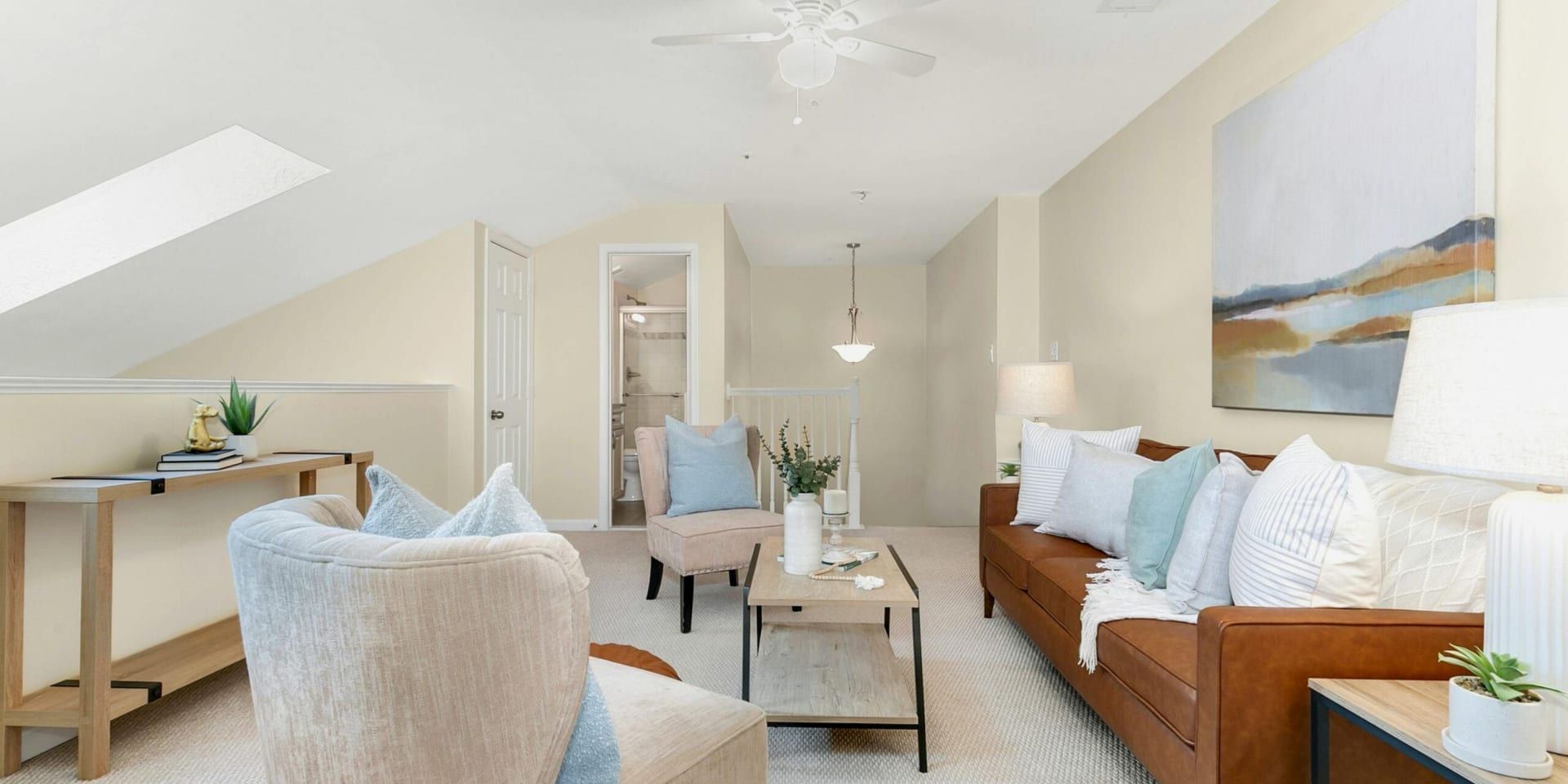
One of the most noticeable aspects of the minimalist movement is the growing trend of decluttering. People are increasingly opting for clean, organized living spaces that are free from unnecessary possessions. The idea is to create an environment that promotes mental clarity and peace, allowing individuals to focus on their goals and well-being without the stress of excessive material items. Many are choosing quality over quantity, investing in fewer but more durable and meaningful items that bring joy and function to their lives.
Sustainable Consumption
Minimalism is also closely tied to sustainability. In 2025, consumers are becoming more conscious of their environmental impact and are actively seeking products that align with their values. The focus is on purchasing items that are not only functional but also environmentally friendly. This shift has led to a rise in eco-conscious brands that promote durability, recyclability, and ethical sourcing of materials. As people embrace minimalism, the idea of “buying less, but better” is becoming a core principle of everyday life.
Experiences Over Possessions
Perhaps one of the most significant changes brought on by minimalism is the growing preference for experiences over material possessions. More people are investing in travel, education, and hobbies that enrich their lives rather than accumulating things. This shift reflects a deeper desire for personal growth and fulfillment, with experiences being seen as a more meaningful and lasting source of happiness than physical items.
The Growth of Mindfulness Practices
Alongside minimalism, mindfulness has become a cornerstone of the 2025 lifestyle. As stress and mental health issues continue to rise, people are increasingly turning to mindfulness practices such as meditation, yoga, and digital detoxes to restore balance in their lives. These practices are not just about relaxation—they’re about fostering a deeper awareness of the present moment, which has been shown to improve emotional regulation, reduce stress, and enhance overall well-being.
Meditation and Mental Clarity
Meditation has become a mainstream practice in 2025, with millions of individuals incorporating it into their daily routines. Meditation helps to create a sense of mental clarity by allowing individuals to pause, breathe, and focus on the present moment. This practice has proven benefits for reducing stress, improving concentration, and enhancing emotional health. In an increasingly fast-paced world, meditation offers a much-needed respite and a way to reconnect with one’s inner self.
Yoga as a Lifestyle
Yoga, once seen primarily as a form of physical exercise, has gained recognition for its mental and emotional benefits. In 2025, yoga is seen as a holistic practice that supports both physical fitness and mental wellness. By combining mindfulness with movement, yoga provides a way to improve flexibility and strength while also promoting relaxation and emotional well-being. Many people are turning to yoga as a way to combat the physical and mental effects of modern life, such as screen fatigue and work-related stress.
Digital Detoxes and Disconnecting from Technology
In an age of constant connectivity, the digital detox movement has gained momentum in 2025. People are taking active steps to disconnect from their devices and embrace real-world experiences. Whether it’s a weekend retreat without screens, setting boundaries for social media use, or simply dedicating time each day to being present without digital distractions, these efforts are aimed at reducing the mental clutter created by technology. The goal is to regain control over one’s time and mental space, allowing for more meaningful interactions and experiences.
Changing Consumer Behavior: Embracing Simplicity and Well-being
As minimalism and mindfulness continue to grow, they are having a significant impact on consumer behavior. In 2025, individuals are making more deliberate choices about how they spend their time and money, focusing on products and services that align with their values of simplicity, sustainability, and well-being.
Ethical and Sustainable Products
Consumers are becoming more selective about the brands they support, seeking out companies that prioritize ethical practices and sustainability. Products that are eco-friendly, ethically produced, and built to last are in high demand. This shift has led to a surge in companies that focus on creating high-quality, environmentally conscious goods. The preference for sustainable products is not just a passing trend but a reflection of a broader cultural movement toward conscious consumption.
Holistic Wellness Offerings
The wellness industry has also evolved to cater to this new mindset, offering products and services that address both physical and mental well-being. Wellness centers, retreats, and fitness programs now offer a more holistic approach, integrating mindfulness practices with physical health routines. The growing demand for wellness services reflects the increasing importance people place on taking care of both their bodies and minds. Whether it’s a spa day focused on relaxation or a meditation retreat to foster mental clarity, these offerings are becoming essential in the pursuit of a balanced life.
Minimalist-Friendly Products and Services
Brands are adapting to the shift toward minimalism by offering products and services that cater to a simpler, more intentional lifestyle. This includes everything from compact, multifunctional furniture to subscription services that curate experiences rather than material goods. People are gravitating toward services that simplify their lives, whether it’s meal delivery that eliminates the need for planning and shopping or travel experiences that focus on immersion and connection rather than consumption.
Conclusion
The lifestyle shifts toward minimalism and mindfulness in 2025 represent a broader cultural movement toward living with intention and purpose. As people increasingly embrace simplicity in both their physical environments and mental practices, they are reshaping the way they consume, interact, and engage with the world. This trend is not only about reducing clutter and distractions but also about enhancing overall well-being and fostering more meaningful connections with oneself, others, and the world around them. As these movements continue to evolve, they offer exciting opportunities for individuals and businesses to align with a more sustainable, mindful future.

Women’s Reporter Contributor
Covers beauty, wellness, lifestyle, and popular culture.
This article features partner, contributor, or branded content from a third party. Members of the Women’s Reporter editorial staff were not involved in the creation of this content. All views and opinions are those of the contributor alone.
You may also like

The Feline Soul Reader: Indrani Das on Healing
Mindset Magic™ And The Shift That Takes Weight Loss Beyond Willpower

JUNE&PEARL And The Art Of Knowing When A Beautiful Thing Is Finished
Women’s Scalp Micropigmentation: A Subtle Approach to Fuller Looking Hair
Andrea Williams And The Beloved Standard
Lynita Mitchell-Blackwell Redefines Legacy Planning