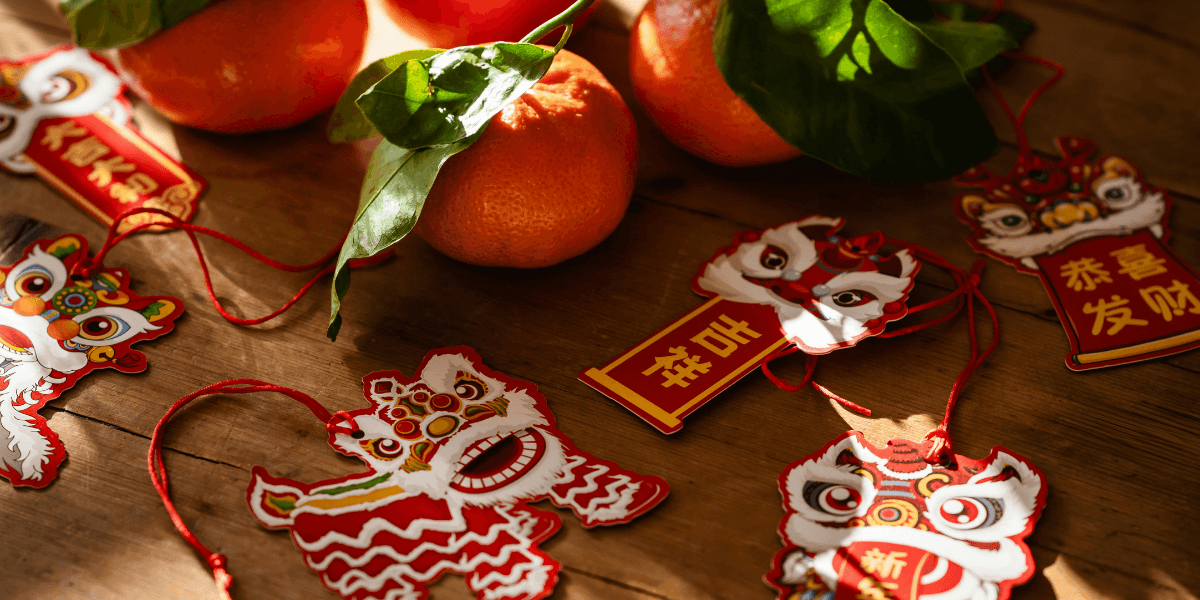
February 17, 2026 marked a vibrant and culturally significant day in the United States as cities and communities nationwide celebrated Lunar New Year, a major cultural festival that honors the beginning of the traditional lunisolar calendar year. While not a federal holiday, Lunar New Year has become one of the most widely observed cultural celebrations in the country, reflecting the rich diversity of Asian American communities and drawing interest from people of all backgrounds.
What Is Lunar New Year?
Lunar New Year, often referred to as Chinese New Year or Spring Festival, is based on the traditional Chinese lunisolar calendar and typically falls between late January and mid‑February each year. In 2026, it occurred on Tuesday, February 17, the same day as Mardi Gras and Shrove Tuesday, creating an especially festive atmosphere in communities across the United States.
The holiday signifies the start of a new year according to lunar cycles and is associated with themes of renewal, family reunion, good fortune, and cultural traditions. Although its roots are in Chinese culture, Lunar New Year is celebrated in many Asian countries and communities around the world, including Vietnam (where it is known as Tết) and Korea (Seollal). In the United States, celebrations are multicultural and span diverse Asian American heritages.
How Lunar New Year Was Observed in the United States
Across major cities and towns in the U.S., Lunar New Year festivities brought people together for a blend of cultural performances, culinary traditions, family gatherings, and public events. Highlights included:
- Parades and Street Festivals: Cities with significant Asian American populations such as San Francisco, Los Angeles, New York City, and Seattle hosted parades featuring lion and dragon dances, martial arts performances, traditional music, and elaborate floats. These parades drew families and visitors of all backgrounds, reinforcing community pride and cultural exchange.
- Cultural Performances and Activities: Many cultural centers, museums, and public spaces offered storytelling sessions, calligraphy workshops, traditional dance performances, and lantern‑making for children and adults. These activities fostered greater understanding of the holiday’s customs and origins.
- Family and Community Traditions: For many families, Lunar New Year centered on reunion dinners and symbolic dishes meant to bring luck and prosperity in the coming year. Popular foods included dumplings (symbolizing wealth), long noodles (representing longevity), and sweet rice cakes (a sign of good fortune). Festive red envelopes with money (hongbao) were exchanged, especially among children, as a gesture of good luck.
- Business and Cultural District Events: Chinatowns and Asian business districts in cities like Chicago, Boston, and Honolulu organized market fairs, live entertainment, and special promotional offerings. These events not only attracted local residents but also international tourists interested in experiencing Lunar New Year festivities.
Cultural and Social Significance
Lunar New Year’s growing prominence in the United States reflects broader demographic and cultural trends. Asian Americans, including Chinese, Vietnamese, Korean, Filipino, and other communities, contribute significantly to the nation’s social, economic, and cultural landscape. As a result, Lunar New Year has become more visible in mainstream culture, with public acknowledgements by local governments, educational programs in schools, and media coverage celebrating the holiday.
While many Americans may first associate February 17 with Mardi Gras or Valentine’s season, in 2026 the concurrence of Lunar New Year provided an opportunity to celebrate multiple cultural traditions on the same date. This reflects the multicultural fabric of the United States, where different communities honor their heritage while contributing to a shared national identity.
Looking Ahead
As Lunar New Year continues to be embraced across the United States, its influence on local economies, cultural programming, and community engagement is likely to grow. Cities with established celebrations reported rising attendance year‑over‑year, indicating strong interest from both Asian American communities and the wider public.
For travelers and residents planning future visits, many cities update annual Lunar New Year schedules months in advance, with parades, lantern festivals, and public performances typically announced through tourism boards and cultural organizations. Whether through traditional foods, artistic events, or intergenerational family gatherings, Lunar New Year remains a meaningful celebration that honors heritage while fostering inclusive cultural appreciation across the United States.
Key Takeaways
- Lunar New Year fell on February 17, 2026, and was widely celebrated across the United States through parades, cultural events, and community activities.
- Celebrations emphasized cultural heritage, family traditions, and public engagement, reflecting the nation’s diversity.
- The holiday’s increasing visibility signals broader recognition of Asian American cultures in the national cultural calendar.

Women’s Reporter Contributor
Covers women in business, entrepreneurship, and career development.
This article features partner, contributor, or branded content from a third party. Members of the Women’s Reporter editorial staff were not involved in the creation of this content. All views and opinions are those of the contributor alone.
You may also like

The Feline Soul Reader: Indrani Das on Healing
Mindset Magic™ And The Shift That Takes Weight Loss Beyond Willpower


JUNE&PEARL And The Art Of Knowing When A Beautiful Thing Is Finished
Women’s Scalp Micropigmentation: A Subtle Approach to Fuller Looking Hair


Andrea Williams And The Beloved Standard
Lynita Mitchell-Blackwell Redefines Legacy Planning