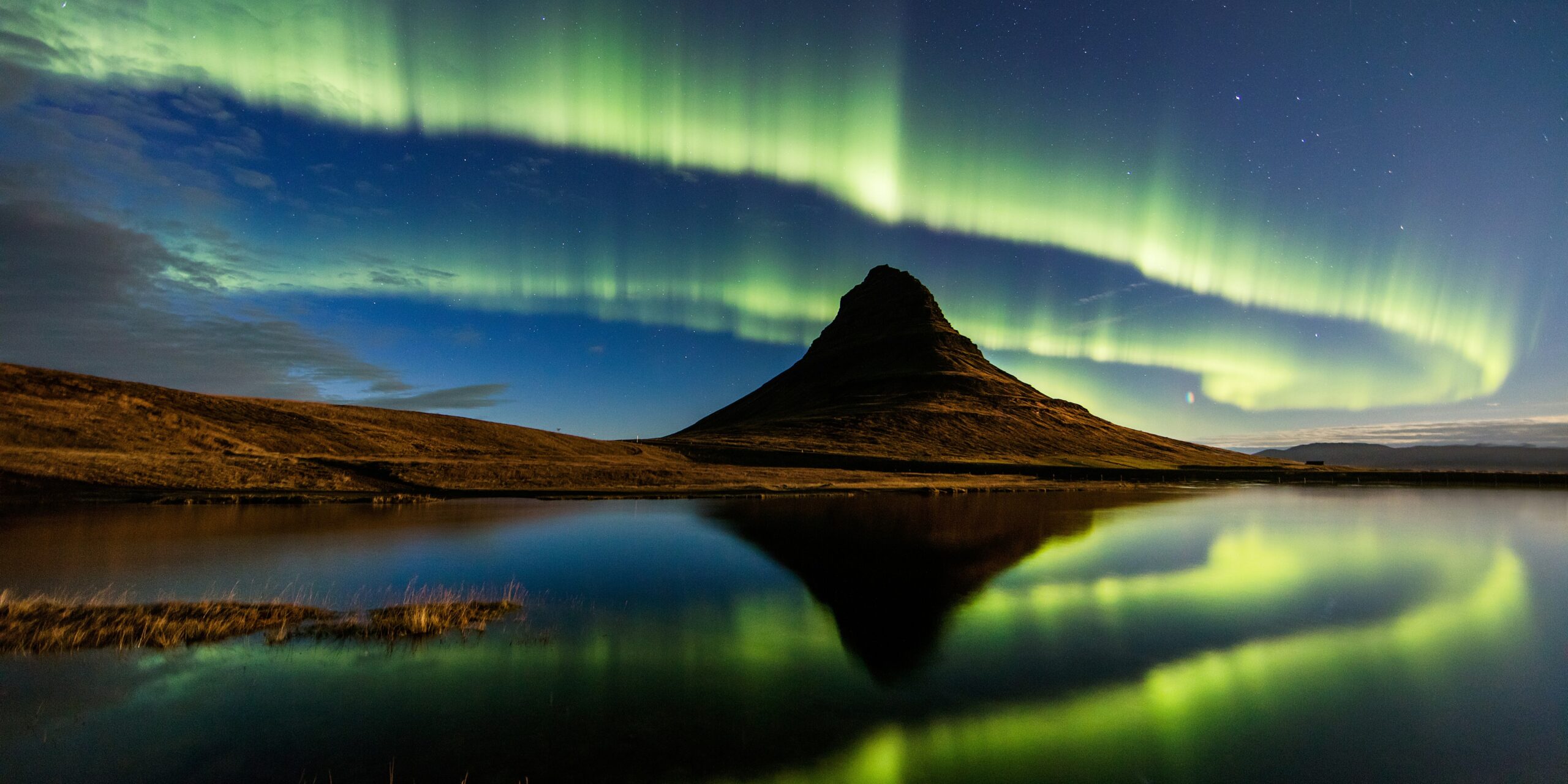
On December 9, 2025, a rare and awe-inspiring celestial event captivated skywatchers across the United States as heightened solar activity created a unique opportunity to view the Northern Lights, or aurora borealis, far beyond their typical Arctic latitudes. A powerful coronal mass ejection (CME) from the sun sent a massive burst of charged particles hurtling toward Earth. These particles interacted with the planet’s magnetic field, causing a surge of colorful light displays that were visible in areas much further south than the usual aurora zones. This unexpected event provided a breathtaking spectacle of green, purple, and even red lights that illuminated the night sky, drawing stargazers and nature lovers out into the cold.
Normally, the Northern Lights are best seen in far northern regions, such as Alaska, Canada, and Scandinavia, where the aurora is most frequently visible in areas known for their proximity to the magnetic poles. However, the intense solar activity on December 9 allowed the aurora to be visible from states much farther south, including parts of the Midwest, northern Colorado, Montana, and even the northernmost parts of states like North Dakota. This expansion of the aurora’s visibility was an extraordinary occurrence, bringing the beauty of this natural phenomenon to people who had never experienced it before.
The CME sent charged solar particles toward Earth with enough force to disturb the planet’s magnetic field. As these particles collided with the Earth’s atmosphere, they caused atoms to release energy in the form of light, creating the stunning visual effects associated with the aurora borealis. Experts in both weather and space science emphasized that while the event was rare, it was a reminder of the powerful forces at play in our solar system and how they can create such breathtaking displays of natural beauty. For those in the affected regions, this was a rare opportunity to see a once-in-a-lifetime celestial event without having to travel far to the Arctic Circle.
To witness the best possible aurora displays, experts recommended finding clear, dark skies, free from the interference of city lights. Urban areas typically present too much light pollution for optimal aurora viewing, so many people traveled to remote outdoor locations, including national parks and rural areas, to maximize their chances of catching a glimpse of the lights. The cold winter air combined with the darkened sky created an ideal backdrop for the show, as stargazers gathered in groups or alone, hoping to capture the magical phenomenon with their eyes or cameras. The event also emphasized the growing trend of astronomy interest and outdoor exploration, particularly during the winter months when people tend to spend more time indoors.
As more people engage with outdoor activities and astronomy, the December 9 aurora borealis event demonstrated the power of natural phenomena to bring people together. Many individuals who might not typically take part in stargazing or astronomical events were drawn outside by the anticipation of witnessing such a rare spectacle. The experience of witnessing the aurora not only sparked curiosity about the science behind the lights but also served as an opportunity to connect with nature and enjoy the simple pleasure of watching the night sky come alive with color.
This rare display of the Northern Lights in the U.S. served as a reminder of the beauty and unpredictability of the natural world. For many, it was a moment to reflect on the wonder of the universe and our place within it, offering a break from the daily routine and an opportunity to marvel at the mysteries of space. The event also highlighted the growing public interest in astronomy and the increasing number of people who are taking the time to explore the wonders of the sky, making stargazing and celestial events a larger part of the cultural conversation. As solar activity continues to increase in the coming years, it is likely that more people will be drawn to the magic of the aurora borealis, and future events may bring similar opportunities for breathtaking views in unexpected places.