
Baer Charlton writes the stories readers did not realize they were waiting to find.
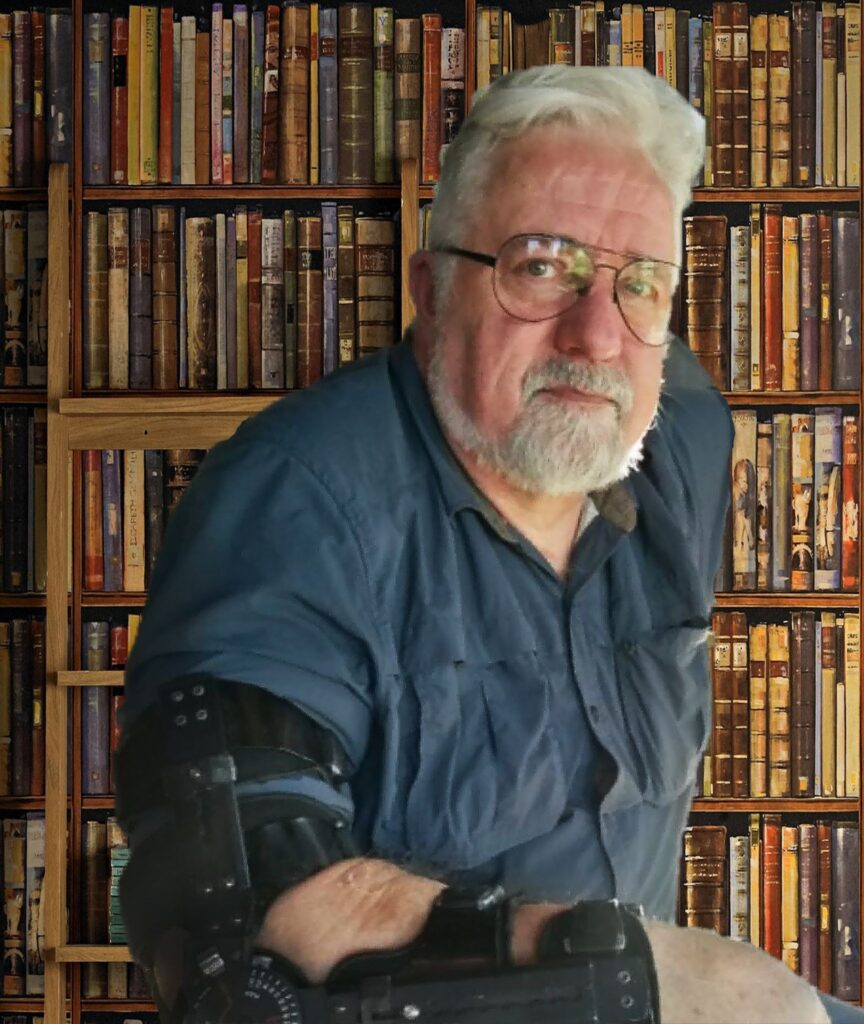
Somewhere between open water and a deadline, Baer Charlton learned what kind of story stays alive. He had filed assignments from foreign countries, from mountain roads, and even from the middle of the Atlantic Ocean aboard a five-masted sailing ship. The setting changed, but the impulse did not. He was always looking past the obvious scene, past the easy headline, toward the private human truth underneath it. That search became the signature of Baer Charlton, the multiple-award-winning, best-selling author whose work turns grit, empathy, danger, and belonging into fiction readers keep close.
Baer Charlton And The Grit Beneath The Story
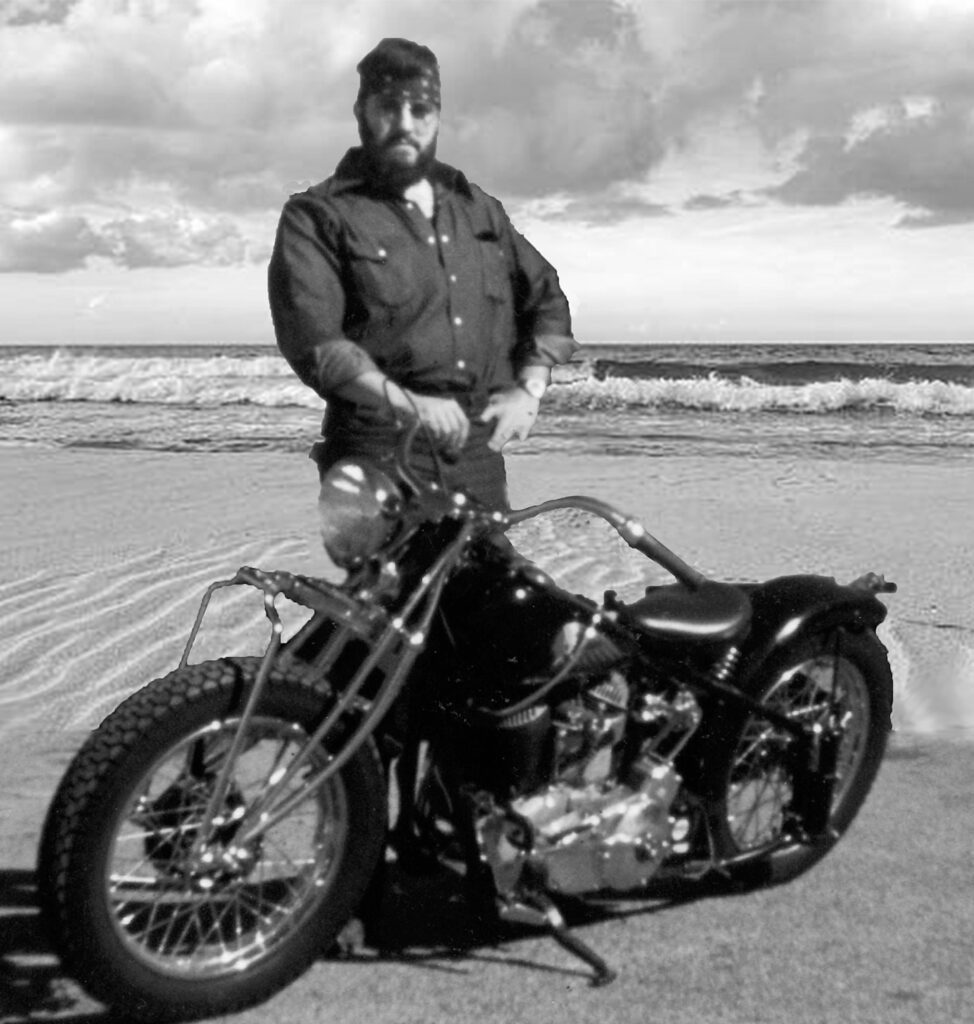
Baer Charlton did not arrive at storytelling through one narrow door. By degree, he is a social anthropologist, trained to notice how people live, adapt, hide, reveal, survive, and belong. By life, he has been something broader: traveler, sailor, skin diver, lecturer, picture framer, observer, and witness. He has spoken on five continents and lectured at sea. He has driven vehicles from two wheels to eighteen. He has crossed mountain passes in sunshine and snow. Raised in the unforgiving beauty of California’s mountains and deserts, he has known the heat of Death Valley and the cold edge of hypothermia.
Those experiences matter because Charlton’s fiction is not built from distance. It is built from close contact with life. Doctors and nurses have, by his own account, saved him and stitched him back together more times than a professional hockey team. That detail could sound like bravado in another author’s biography. In Charlton’s work, it reads more like evidence. He writes as someone who understands that bodies break, families fracture, loyalty is tested, and ordinary people often meet extraordinary moments without warning.
For more than six decades, Charlton has been telling stories through writing and picture framing. The pairing is revealing. A picture framer understands borders, composition, focus, and restraint. The frame should never overpower the image, but it should help the viewer see what matters. Charlton brings that same discipline to his novels. His stories hold the reader’s attention not through noise, but through the careful arrangement of character, tension, and consequence.
His own description cuts to the heart of the matter: “I have been telling stories through writing and picture framing for over six decades. The kind of stories that stay in your guts, and you reread when another friend gives you their copy of the book you passed on years before.” That is not a casual ambition. It is a claim about permanence. Baer Charlton does not write disposable fiction. He writes for the shelf, the nightstand, the shared copy, and the reader who returns years later because the characters still feel unfinished in the best possible way.
How Baer Charlton Found The Other Story
Charlton often says that within every person, there is a story, and inside that story is an even more memorable one. That belief drives his range. He is best known for mysteries, especially his award-winning Nash Running Bear Mysteries, but the borders of his imagination stretch far beyond a single genre label. His other novels explore a soldier’s return, risky journeys for young women, a woman hiding her race to become a doctor, and a trip to scatter a friend’s ashes.
What connects those stories is not plot type. It is moral attention. Baer Charlton writes about marginalized individuals navigating everyday life through unusual events. He is drawn to people who live at the edges of power, safety, recognition, or belonging. These are not characters inserted into a story to make a point. They are the point. Through them, Charlton examines how identity, courage, loss, prejudice, memory, and survival shape the choices people make when the world presses hard against them.
That human focus helps explain why his mysteries have found such loyal readers. A lesser mystery can survive on puzzle mechanics alone. A stronger one requires emotional stakes. Charlton’s work gives readers both. His characters do not simply solve, chase, hide, or confess. They carry histories. They make mistakes. They want what readers want: safety, dignity, love, justice, and some proof that the pain they have endured can become part of a larger meaning.
His friend Stephen H. King once offered a phrase Charlton paraphrases with pride: he tells stories from the point of view buried in the grit of life. It is an apt description. Charlton’s worlds are not polished smooth. They contain hard roads, cold water, dangerous silences, old wounds, and people trying to act with decency while standing on unstable ground. Yet this grit never becomes bleakness for its own sake. In his hands, difficulty becomes a way to reveal tenderness.
Awards, Recognition, And A Reader’s Trust
In publishing, recognition can open a door, but trust keeps readers walking through it. Baer Charlton has earned both. His work has been associated with major honors, including a Pulitzer short list mention in 2012, the International Impact Award in 2025, a Person of the Year Award in 2025, and the Chanticleer International Best Series Winner honor in 2025. These awards speak to craft, reach, and sustained reader engagement, but they do not fully explain his appeal.
The deeper reason readers respond to Baer Charlton is that he refuses to flatten people. He understands that a person can be funny and wounded, brave and confused, guarded and generous. He knows that adventure often begins as inconvenience, that danger can arrive quietly, and that dignity can belong to the person least likely to be noticed. This is why his characters come to feel less like inventions and more like friends, relatives, neighbors, or versions of ourselves we have not yet admitted.
His differentiator is simple and rare: he tells the stories people did not know they needed and then keep in their lives. That kind of storytelling cannot be manufactured from trend reports. It comes from decades of looking, listening, traveling, surviving, and caring. It comes from the anthropologist’s eye, the sailor’s patience, the craftsman’s precision, and the novelist’s faith that one human life, examined honestly, can illuminate many others.
Today, Baer Charlton occupies a distinctive place in contemporary fiction. He writes mysteries with muscle, social commentary with compassion, and character-driven novels with cinematic force. It is easy to imagine readers waiting for the movie, as he suggests, because his books contain the movement, tension, and visual clarity that film demands. Yet the real power remains on the page. That is where the interior life can breathe. That is where silence can say as much as action. That is where Charlton’s gift is most visible.
For readers searching for fiction with stakes, soul, and staying power, Baer Charlton offers a body of work worth entering slowly and returning to often. Start with the mysteries, explore the stand-alone novels, follow the difficult journeys, and meet the people who live in the margins until Charlton brings them fully into view. His books are not merely stories to finish. They are stories to carry, discuss, lend, and read again when life makes their truths feel newly necessary.
Explore More About Baer Charlton
Connect with Baer Charlton on Threads, Instagram, Facebook, Goodreads, and Amazon.

Women’s Reporter Contributor
Covers beauty, wellness, lifestyle, and popular culture.
This article features partner, contributor, or branded content from a third party. Members of the Women’s Reporter editorial staff were not involved in the creation of this content. All views and opinions are those of the contributor alone.
You may also like

The Knot by Your Shoulder Blade May Start Elsewhere
Vestir Is Redefining How Women Discover And Shop Luxury Fashion


Samka Keranovic and the Founder Story Behind Desert Roots Wellness
GinaTheFashionista Expands To Closet Finds


Kandé Takes Nigerian Modest Luxury To London
The Feline Soul Reader: Indrani Das on Healing