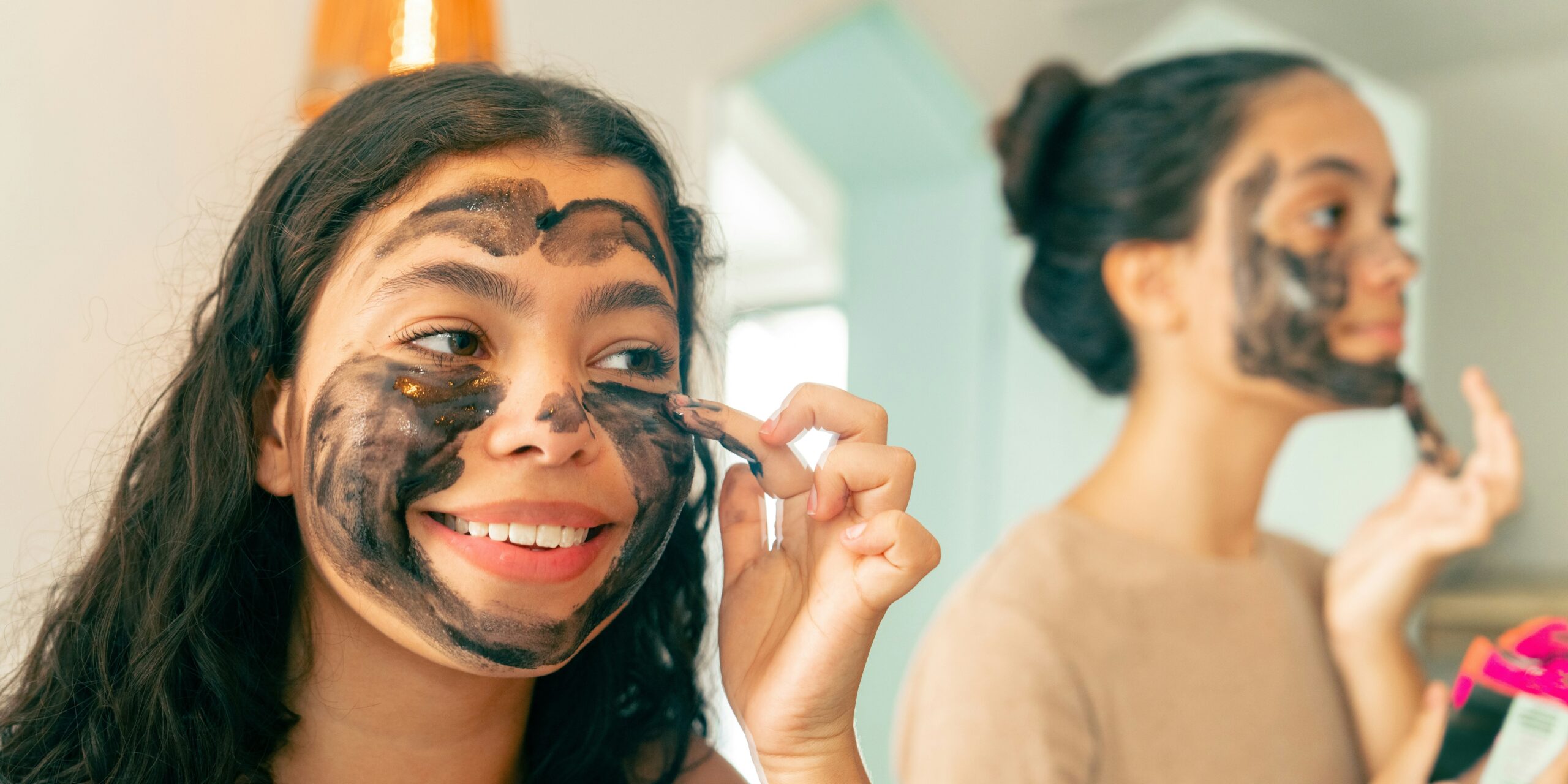
As we move further into 2026, the skincare and wellness industries are experiencing a significant shift in consumer behavior, with an increasing focus on holistic wellness and long-term skin health. No longer are consumers simply looking for products that deliver quick aesthetic results; they are now more interested in products that not only improve their skin’s appearance but also enhance its resilience and overall well-being. This evolving trend highlights a broader cultural shift toward wellness and self-care, where beauty routines are becoming deeply integrated with health and lifestyle priorities.
One of the key developments in 2026 is the growing popularity of skincare products that blend self-care with medical insights. Consumers are seeking out products and treatments that go beyond surface-level beauty, looking instead for solutions that nurture their skin’s health over time. Red light therapy, which was once limited to high-end spa treatments, is now becoming more mainstream, with consumers purchasing devices for use at home. This therapy, known for its potential to reduce inflammation, promote collagen production, and improve skin texture, is gaining traction as an effective tool for long-term skin health. It has moved from a niche treatment to an accessible option for anyone looking to enhance their skin’s vitality and longevity.
Alongside red light therapy, there has been a rise in the demand for antioxidant-rich skincare products. These products, formulated with ingredients like vitamins C and E, are in high demand as consumers become more aware of the impact of environmental stressors such as pollution and UV rays on their skin. Antioxidants are praised for their ability to protect skin from oxidative stress, which contributes to the visible signs of aging. As environmental concerns grow, more consumers are turning to skincare solutions that offer protection against external damage, making antioxidant-infused products a staple in beauty routines. This focus on protection and skin preservation signals a shift away from temporary beauty fixes to long-term solutions for skin health.
The trend towards products that are gentle on the skin is also gaining momentum, especially for consumers with sensitive skin. Fragrance-free products are becoming increasingly popular, as consumers look for skincare that minimizes the risk of irritation and allergic reactions. These fragrance-free options are no longer considered niche but are becoming a standard offering in many skincare lines. As awareness grows around skin sensitivity, particularly in relation to harsh chemicals and fragrances, consumers are seeking out products that prioritize comfort and skin integrity, making it easier for them to care for their skin without worrying about potential adverse effects.
This shift towards wellness in the beauty industry goes beyond just skincare. There is an increasing consumer expectation that beauty products should support not only aesthetic outcomes but also overall well-being. The focus has expanded from purely external beauty to embracing skin health, comfort, and resilience. In 2026, beauty products are being designed with the intention of supporting long-term skin function rather than just providing a temporary cosmetic boost. This reflects a larger trend in the wellness industry, where health, comfort, and mindfulness are at the forefront of consumer decisions.
The growing interest in holistic beauty routines signals a deeper cultural shift. As self-care becomes more embedded in everyday life, consumers are more conscious of the ingredients they use and the effect those ingredients have on their overall health. This change reflects a broader societal movement toward mindfulness, where personal well-being is prioritized alongside external appearance. The desire for beauty routines that are grounded in holistic health, rather than just chasing fleeting beauty standards, speaks to a more balanced approach to self-care.
With the rise of these trends in skincare and wellness, beauty brands are responding by expanding their offerings to meet the demand for products that promote both health and beauty. The future of beauty is clearly shifting toward a more integrated approach—one where skin health, comfort, and overall wellness are prioritized over transient beauty ideals. Consumers are moving away from simply buying products for superficial reasons and are instead investing in solutions that offer long-term benefits for their skin, health, and overall well-being.
As the year progresses, it is likely that these trends will continue to grow, shaping the future of the beauty industry. The integration of medical knowledge, self-care practices, and wellness-focused products will define the next era of skincare, where products are designed not just to make people look good, but to help them feel good and take care of their skin in a sustainable and health-conscious way. For both brands and consumers, the focus will remain on achieving beauty through wellness, creating a more holistic and mindful approach to skincare that is here to stay.