Across the United States, a noticeable shift is taking shape in how women are approaching daily life during the summer season. Rather than rushing through packed schedules or chasing constant productivity, more women are embracing a gentler, more intentional rhythm, one that prioritizes rest, clarity, creativity, and emotional well-being. This movement, often described as “intentional summer living,” reflects a broader cultural desire to slow down and reconnect with what feels meaningful in both personal and professional life.
At its core, this lifestyle shift is about making space for balance. Many women are choosing to simplify their routines, reduce unnecessary commitments, and create more room for restorative habits. Whether it’s starting the morning without screens, taking daily walks outdoors, or setting aside time for quiet reflection, these small adjustments are having a noticeable impact on overall well-being.
One of the most significant aspects of this trend is the renewed focus on mental clarity. In a world where constant notifications, deadlines, and responsibilities can feel overwhelming, women are increasingly recognizing the importance of mental rest. Simple practices such as journaling, mindful breathing, and structured breaks throughout the day are being integrated into everyday life, not as luxury habits, but as essential tools for emotional balance.
Work-life boundaries are also being redefined. More women are actively setting clearer limits between professional responsibilities and personal time, especially in remote and hybrid work environments. Instead of extending work into evenings and weekends, there is a growing emphasis on finishing tasks within designated hours and fully stepping away afterward. This shift is not about doing less, but about doing what matters with greater focus and presence.
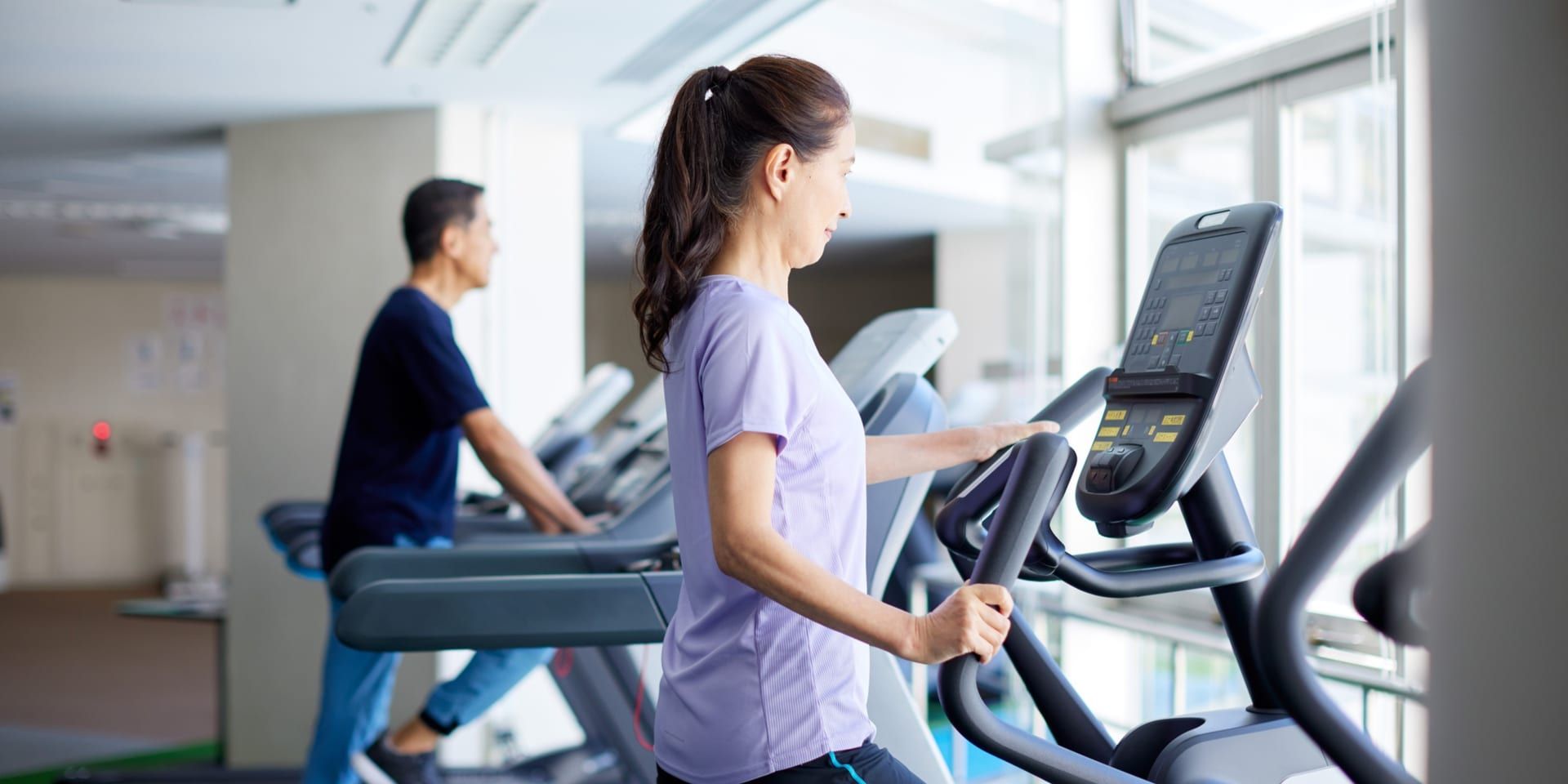
Another key dimension of intentional summer living is reconnecting with physical wellness in approachable and sustainable ways. Rather than intense or restrictive fitness routines, many women are choosing movement that feels enjoyable and restorative. Activities such as walking in nature, gentle yoga, swimming, or casual outdoor exercise are becoming more popular. The emphasis has shifted from performance to how the body feels, energized, supported, and cared for.
Nutrition habits are also reflecting this softer approach. Home-cooked meals featuring fresh, seasonal ingredients are becoming a preferred choice for many households. Instead of rigid dietary rules, women are focusing on nourishment, variety, and enjoyment. Shared meals with family and friends are being treated as meaningful moments of connection rather than rushed necessities.
Social life, too, is evolving. While digital communication remains important, there is a renewed appreciation for in-person gatherings that feel authentic and unpressured. Small get-togethers, coffee dates, park picnics, and community events are replacing more overstimulating social environments. These interactions tend to center around genuine conversation, laughter, and shared presence rather than obligation or appearance.
Creative expression is another area experiencing a quiet resurgence. Women are returning to hobbies and interests that may have been set aside during busier seasons of life. Writing, painting, gardening, photography, and crafting are being rediscovered not for productivity or outcome, but for joy. This return to creativity is helping many reconnect with parts of themselves that had been overshadowed by routine responsibilities.
Financial well-being is also subtly woven into this lifestyle shift. Rather than impulsive spending or constant consumption, there is a growing preference for mindful purchasing decisions. Many women are choosing quality over quantity, investing in items that support comfort, longevity, and daily ease. This approach reflects a broader desire for stability and intentionality in all areas of life.
Importantly, this movement is not about perfection or rigid structure. Instead, it encourages flexibility and self-compassion. Some days may feel structured and productive, while others may be slower and more restful. The emphasis is on listening to personal needs and responding with care, rather than adhering to strict expectations.
Experts in lifestyle and wellness often note that these shifts are reflective of a larger cultural rebalancing. After years of fast-paced digital living and increasing demands on attention, many people are re-evaluating what sustainable well-being looks like. For women in particular, this often involves redefining success, not only in terms of achievement, but also in terms of peace, health, and emotional fulfillment.
As summer continues across the country, intentional living offers a gentle reminder that slowing down is not a step backward, but a way forward. It creates space for clarity, strengthens personal boundaries, and allows room for joy to re-enter everyday life in simple, meaningful ways.
In embracing this approach, many women are discovering that wellness does not come from doing more, but from doing what truly matters, with presence, care, and intention.

Women’s Reporter Contributor
Covers wellness, personal development, culture, and the changing ways women approach work and life.
This article features partner, contributor, or branded content from a third party. Members of the Women’s Reporter editorial staff were not involved in the creation of this content. All views and opinions are those of the contributor alone.
You may also like

GinaTheFashionista Expands To Closet Finds
Kandé Takes Nigerian Modest Luxury To London

The Feline Soul Reader: Indrani Das on Healing
Mindset Magic™ And The Shift That Takes Weight Loss Beyond Willpower


JUNE&PEARL And The Art Of Knowing When A Beautiful Thing Is Finished
Women’s Scalp Micropigmentation: A Subtle Approach to Fuller Looking Hair