Across several cities in the United States this month, a growing wave of women-led community wellness initiatives is reshaping how people think about health, connection, and everyday well-being. From neighborhood gathering spaces to creative workshops and outdoor movement programs, these initiatives are emphasizing one central idea: wellness is not just individual, it thrives in community.
What began as small, local efforts has steadily evolved into a broader movement focused on accessibility, emotional well-being, and shared experience. Rather than centering wellness around rigid routines or exclusive programs, these initiatives are designed to meet people where they are, physically, emotionally, and socially.
A Shift Toward Community-Centered Wellness
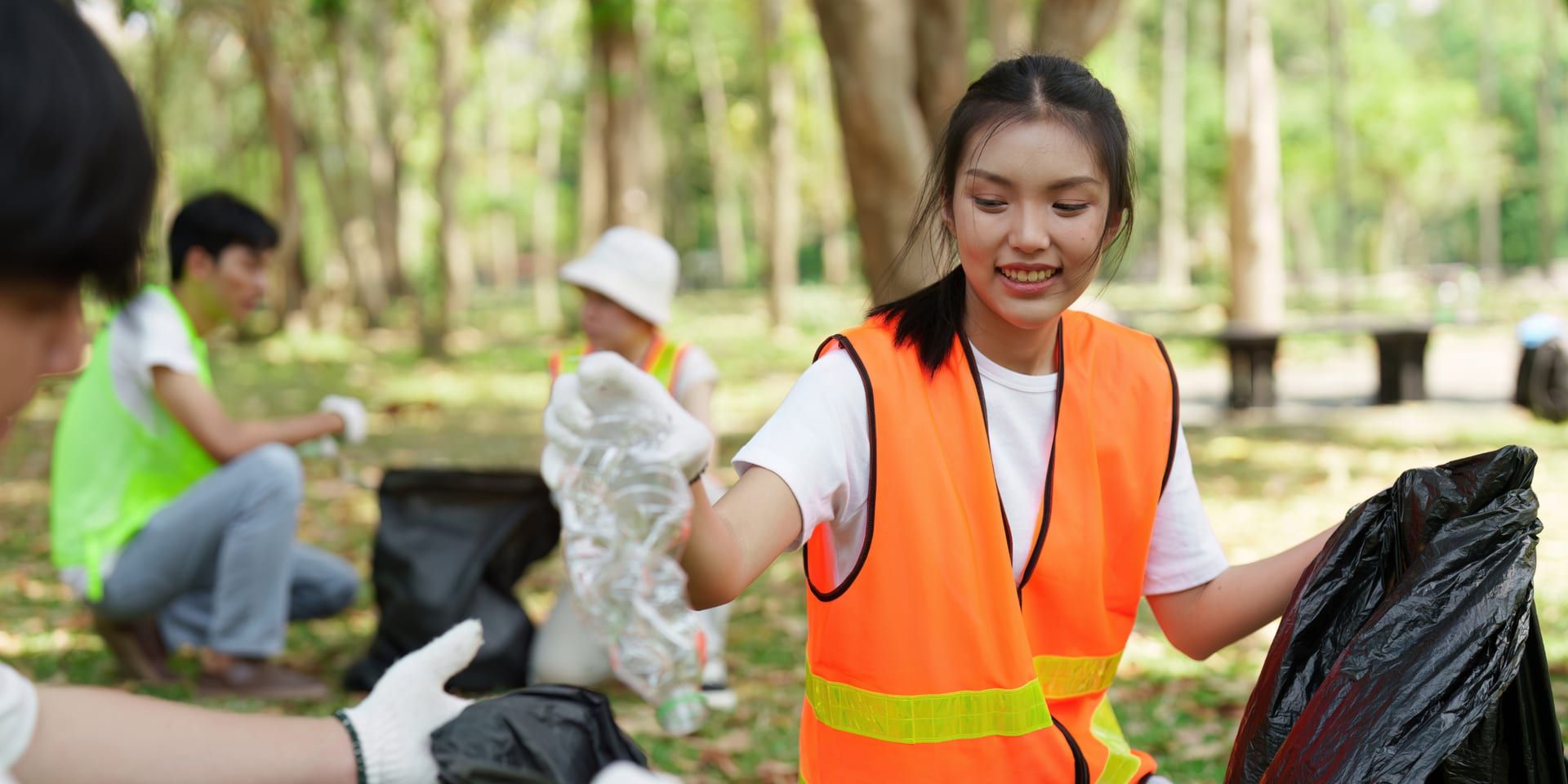
In cities such as Los Angeles, Chicago, and Atlanta, women-led collectives have introduced weekly community sessions that combine gentle fitness, mindfulness practices, and open conversation circles. The goal is not performance, but participation.
Many of the organizers describe a shared motivation: creating spaces where people can feel seen without pressure or expectation. Sessions often include activities like walking groups, group stretching in public parks, journaling workshops, and guided breathing exercises led by certified wellness coaches and volunteers.
Participants frequently note that the experience feels less like a structured class and more like a supportive gathering. For many, especially those balancing work, caregiving, and personal responsibilities, these spaces provide a rare opportunity to pause and reconnect.
Creativity as a Form of Wellness
Another key feature of these initiatives is the integration of creativity into wellness programming. Art circles, storytelling workshops, and music-based gatherings have become central elements in several community hubs.
In Seattle, one program has introduced “Creative Sundays,” where participants gather to paint, write, or simply share stories in a relaxed, judgment-free environment. In Houston, a similar initiative blends cooking workshops with conversations about cultural heritage and identity, encouraging participants to explore wellness through food and tradition.
Organizers emphasize that creativity is not treated as a skill reserved for professionals, but as a natural form of expression that supports emotional balance. The act of creating, whether through drawing, writing, or cooking, helps participants process emotions and build stronger connections with others.
Supporting Mental and Emotional Well-Being
Mental health awareness remains a cornerstone of these initiatives. Many programs include guided discussions on stress management, burnout prevention, and emotional resilience. However, the approach is intentionally gentle and non-clinical, focusing on shared experience rather than diagnosis or treatment.
Licensed wellness facilitators often collaborate with community leaders to ensure that conversations remain supportive and inclusive. Participants are encouraged to speak openly, but never required to share beyond their comfort level.
This emphasis on emotional safety has made these gatherings especially appealing to women seeking spaces where vulnerability is respected and normalized. In many cases, attendees describe forming friendships that extend beyond the sessions, creating informal support networks that continue throughout the week.
Accessibility and Inclusion at the Core
A defining feature of these initiatives is their commitment to accessibility. Many programs are free or offered on a sliding scale, ensuring that cost does not become a barrier to participation. Some events are held in public parks, libraries, and community centers to make them geographically accessible as well.
Organizers are also prioritizing inclusivity across age groups, backgrounds, and life stages. Young professionals, mothers, retirees, and students often participate side by side, contributing to a diverse and intergenerational environment.
Translation support and culturally responsive programming are also being introduced in several cities, reflecting a growing awareness of the need to serve multilingual and multicultural communities.
The Power of Small, Consistent Gatherings
While these initiatives vary in structure, one common theme is the emphasis on consistency over scale. Rather than hosting large, infrequent events, many organizers focus on small, recurring gatherings that allow relationships to develop naturally over time.
This approach has proven especially effective in building trust and long-term engagement. Participants often return weekly, not only for the activities but for the sense of familiarity and belonging that develops.
Over time, these consistent touchpoints help reduce feelings of isolation and encourage healthier routines that extend beyond the events themselves.
Looking Ahead
As interest continues to grow, many organizers are exploring ways to expand their reach while maintaining the intimacy that defines these programs. Some are developing partnerships with local schools, small businesses, and wellness practitioners to bring resources directly into neighborhoods.
Others are experimenting with hybrid formats, offering both in-person and virtual sessions to accommodate different schedules and accessibility needs.
Despite the differences in structure, the underlying message remains consistent: wellness is most powerful when it is shared, supported, and rooted in everyday life.
Conclusion
The rise of women-led community wellness initiatives reflects a broader cultural shift toward connection, simplicity, and emotional well-being. In a fast-paced world, these programs offer something increasingly rare, time, space, and permission to slow down together.
By blending movement, creativity, conversation, and inclusivity, these initiatives are helping redefine what it means to live well. And in doing so, they are quietly building stronger, more connected communities, one gathering at a time.

Women’s Reporter Contributor
Covers beauty, wellness, lifestyle, and popular culture.
This article features partner, contributor, or branded content from a third party. Members of the Women’s Reporter editorial staff were not involved in the creation of this content. All views and opinions are those of the contributor alone.
You may also like
GinaTheFashionista Expands To Closet Finds
Kandé Takes Nigerian Modest Luxury To London
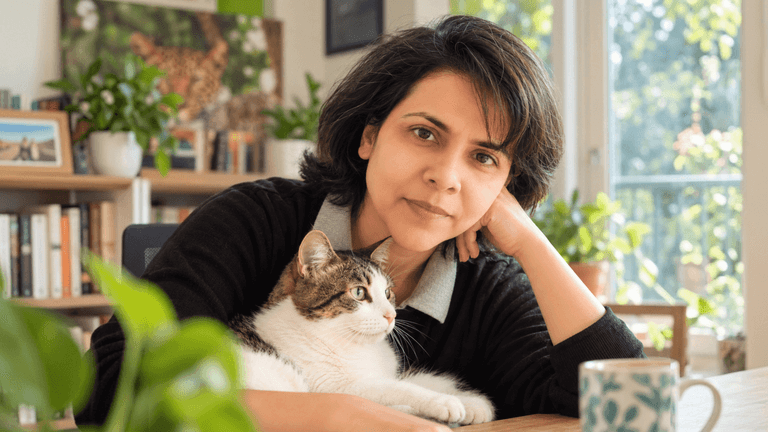
The Feline Soul Reader: Indrani Das on Healing
Mindset Magic™ And The Shift That Takes Weight Loss Beyond Willpower
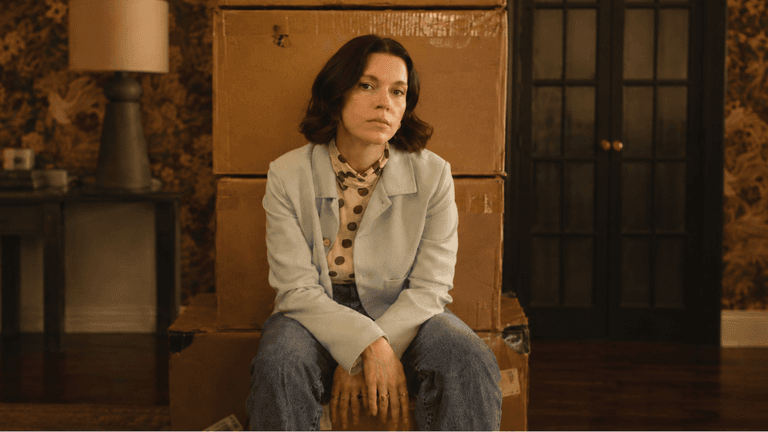
JUNE&PEARL And The Art Of Knowing When A Beautiful Thing Is Finished
Women’s Scalp Micropigmentation: A Subtle Approach to Fuller Looking Hair