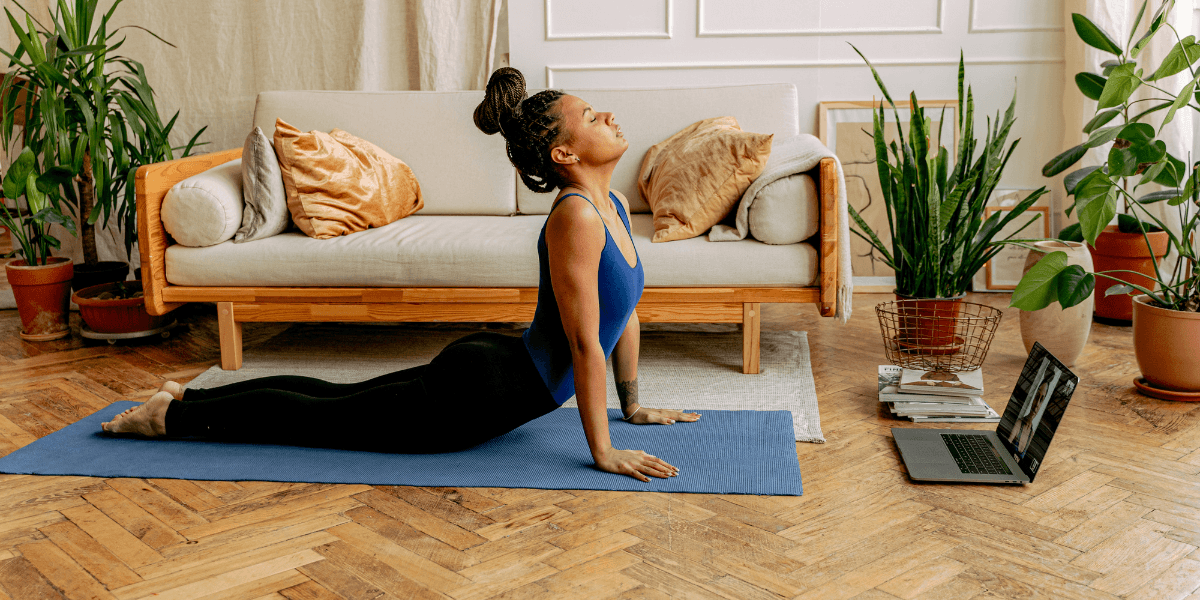
More Americans are rethinking how their homes support everyday well-being, with wellness-focused design becoming one of the fastest-growing lifestyle trends of the year. Interior designers, health experts, and home organization professionals say consumers are placing greater emphasis on creating spaces that promote comfort, productivity, relaxation, and healthy routines rather than simply following decorating trends.
The growing interest reflects a broader shift toward intentional living. As people spend significant time working, studying, exercising, and relaxing at home, many are making thoughtful improvements that support both physical and mental well-being. From improving indoor air quality to reducing clutter and maximizing natural light, homeowners and renters alike are embracing practical changes that can have a lasting impact on daily life.
Lifestyle experts emphasize that creating a wellness-focused home does not require expensive renovations. Instead, many of the most meaningful improvements involve simple, sustainable habits that make living spaces more functional and comfortable.
Decluttered Spaces Support Daily Productivity
Professional organizers continue encouraging individuals to simplify their living environments by reducing unnecessary clutter and improving household organization.
Research has suggested that organized spaces can make daily tasks easier to manage while helping people feel more focused during work or study sessions. Simple storage solutions, labeled containers, and designated spaces for frequently used items can reduce everyday stress associated with disorganization.
Many homeowners are also adopting seasonal decluttering routines that encourage them to donate, recycle, or responsibly dispose of items they no longer use.
Organization specialists note that maintaining a tidy environment often becomes easier when households establish small daily habits rather than relying on occasional large-scale cleaning projects.
Natural Light and Indoor Plants Remain Popular
Interior designers continue highlighting the importance of natural light in creating welcoming living spaces.
Opening curtains during the day, arranging furniture to maximize sunlight, and selecting lighter interior colors are among the practical strategies homeowners use to brighten their homes.
Indoor plants also remain a popular addition to many households. While different plant species require varying levels of care, many people appreciate their ability to introduce natural elements into living spaces while enhancing interior aesthetics.
Lifestyle experts say combining natural light with greenery can create environments that feel more inviting and visually balanced.
Wellness Spaces Become More Personalized
Many households are creating dedicated areas that support personal well-being.
Some people have established quiet reading corners, meditation spaces, home exercise areas, or small hobby rooms where they can focus on activities that encourage relaxation and creativity.
Design professionals say these personalized spaces do not need to be large. Even a comfortable chair near a window or a thoughtfully arranged workspace can provide a sense of routine and balance within a busy household.
The emphasis is on designing spaces that reflect individual needs rather than following a single design trend.
Better Sleep Begins With the Bedroom
Sleep specialists continue emphasizing the importance of creating a bedroom environment that supports consistent, high-quality rest.
Simple adjustments such as maintaining comfortable room temperatures, reducing unnecessary noise, limiting bright light before bedtime, and choosing supportive bedding can contribute to better sleep quality.
Many individuals are also reducing electronic device use during evening hours to establish healthier nighttime routines.
Experts note that quality sleep plays an important role in overall health, influencing energy levels, concentration, mood, and daily performance.
Creating a calm bedroom environment remains one of the most effective ways to encourage consistent sleep habits.
Sustainable Choices Continue to Influence Home Design
Consumers are increasingly incorporating sustainability into their home improvement decisions.
Energy-efficient lighting, reusable household products, durable furniture, and responsibly sourced materials continue attracting interest among shoppers seeking practical long-term investments.
Many households are also reducing single-use plastics, improving recycling practices, and selecting products designed for longevity rather than frequent replacement.
Lifestyle professionals believe these choices not only support environmental goals but can also contribute to more organized and cost-effective homes over time.
The focus on quality over quantity mirrors broader consumer trends seen across fashion, beauty, and household products.
Looking Ahead
Lifestyle experts expect wellness-centered home design to remain a defining trend as consumers continue prioritizing comfort, functionality, and healthy daily routines.
Rather than pursuing constant redesigns, many homeowners are choosing thoughtful improvements that enhance everyday living while reflecting their personal lifestyles and values.
As interest in wellness continues to expand beyond fitness and nutrition, the home is increasingly viewed as an important foundation for overall well-being. Through simple organizational habits, intentional design choices, and practical improvements, many Americans are creating living spaces that support healthier, more balanced lives.

Women’s Reporter Contributor
Covers beauty, wellness, lifestyle, and popular culture.
This article features partner, contributor, or branded content from a third party. Members of the Women’s Reporter editorial staff were not involved in the creation of this content. All views and opinions are those of the contributor alone.
You may also like

How Olivia and Jack Turns Comfort Into Calm
From Nurse to Network Leader: Simone Herzog

Behind the Blueprint: The Firm Powering Behavioral Health Growth in All 50 States
From Clutter to Calm: How Jamie Wild Is Redefining Organization With Style and Confidence


Peripheral Artery Disease Often Goes Undetected in Women, Researchers Warn
California's IVF Insurance Rules Expand Coverage While Leaving Some Patients With Significant Costs