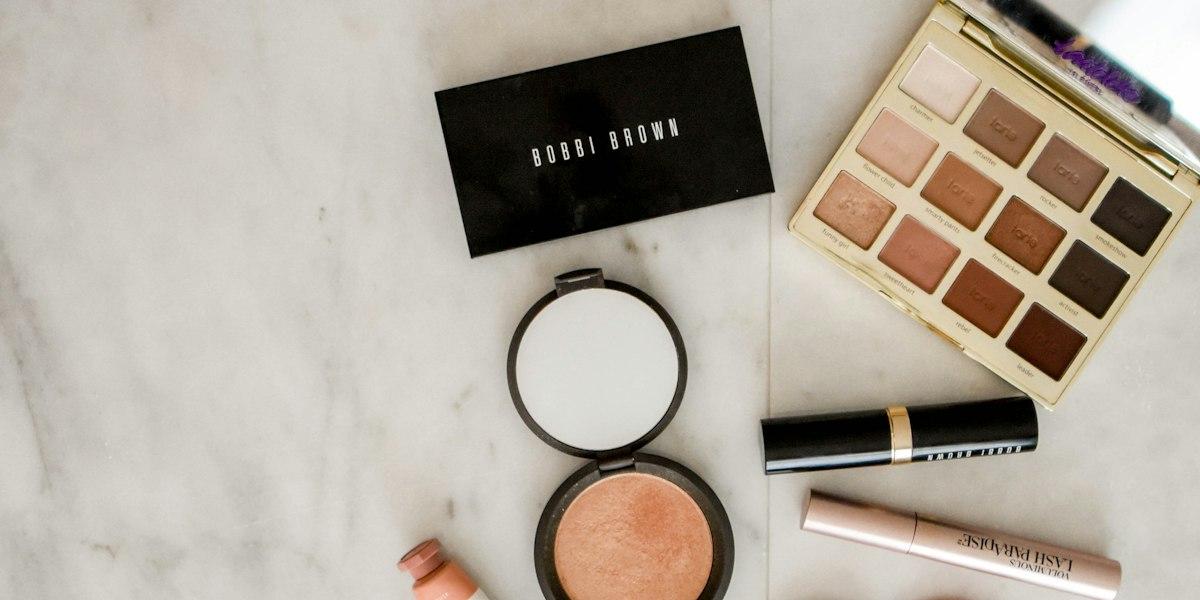
E.l.f. Beauty's latest results highlight strong demand across cosmetics, skincare and digital retail channels.
OAKLAND, CALIFORNIA. E.l.f. Beauty is reporting substantial growth across its cosmetics and skincare portfolio, with quarterly net sales increasing 51% to $520.8 million as the company benefits from international expansion, online retail activity and the performance of its acquired Rhode brand.
The company's second-quarter fiscal 2027 results have drawn attention across the beauty industry, particularly as established cosmetics businesses face changing consumer preferences and growing competition from digitally driven brands.
The results cover the three months ended September 30 and reflect the company's continued expansion across traditional retail and e-commerce channels.
E.l.f. also increased its full-year sales growth outlook, indicating stronger expectations for the remainder of its financial year.
A Strong Quarter for the Beauty Business
E.l.f. Beauty recorded net sales of $520.8 million during the quarter, compared with approximately $343.9 million in the corresponding period a year earlier.
The 51% increase represented the company's 31st consecutive quarter of net sales growth.
The performance was supported by sales across its portfolio and included contributions from both domestic and international markets.
Its gross margin increased to approximately 71%, reflecting improvements associated with product mix and lower year-over-year tariff costs, alongside other factors.
Adjusted EBITDA reached $123.4 million, representing 24% of net sales and an 86% increase compared with the previous year.
The company reported net income of $30 million under generally accepted accounting principles.
These results indicate that growth extended beyond revenue, although the company's increased spending on marketing, distribution and other operating activities remains an important consideration when evaluating profitability.
Rhode Strengthens the Company's Portfolio
One of the most important elements of E.l.f. Beauty's recent business development has been the expansion of Rhode, the skincare brand acquired in 2025.
Rhode has helped the company broaden its presence beyond traditional cosmetics while reaching consumers through a different brand identity and product category.
Its European expansion through Sephora has created additional opportunities to reach international shoppers.
The launch in 19 European countries expanded Rhode's retail presence and strengthened E.l.f. Beauty's international distribution strategy.
The company's management has identified Rhode as an important contributor to its recent sales performance.
The acquisition also demonstrates how established consumer businesses can use strategic purchases to enter adjacent markets and reach new customer groups.
Rather than relying exclusively on organic product development, E.l.f. has combined its existing operations with an acquired brand that already had substantial consumer recognition.
Digital Retail Becomes More Important
Online commerce continues to influence the beauty industry's competitive landscape.
E.l.f. reported that connected commerce accounted for 31% of its quarterly sales.
The category includes purchases through digital marketplaces and other online retail channels.
Amazon and TikTok Shop have become important platforms for beauty discovery and purchasing, particularly among consumers who encounter products through videos, creator content and online recommendations.
E.l.f. has also used digital platforms to introduce products and test new categories.
The company's e.l.f. Pop fragrance and body collection was introduced through Amazon and TikTok Shop, creating another opportunity to reach customers without depending exclusively on traditional retail distribution.
This approach reflects a wider change in beauty retail, where brands increasingly combine physical stores, online marketplaces and direct-to-consumer channels.
For businesses, the challenge involves maintaining consistent brand positioning while adapting to different shopping environments.
International Markets Contribute to Expansion
International sales were another important component of the company's performance.
E.l.f. reported international net sales growth of 165% during the quarter, compared with a 25% increase in U.S. net sales.
The international expansion demonstrates the company's efforts to reduce its dependence on its domestic market.
Beauty companies seeking global growth must adapt to different consumer preferences, regulatory requirements, distribution structures and competitive environments.
The expansion of Rhode through Sephora provides access to established retail networks, while the company's existing cosmetics portfolio continues to build recognition in international markets.
These developments also create operational responsibilities involving inventory management, marketing and distribution.
Higher Expectations for Fiscal 2027
Following the quarterly performance, E.l.f. increased its full-year fiscal 2027 net sales growth outlook to between 22% and 24%.
Its previous forecast had projected growth between 18% and 20%.
The revised outlook reflects management's stronger expectations for the company's business.
However, the company also anticipates that sales growth will moderate during the second half of the fiscal year.
This distinction is important because exceptional quarterly growth does not necessarily translate into the same pace throughout the entire financial period.
Comparisons with previous product launches, retail expansion and changes in consumer purchasing patterns can influence future results.
The company's ability to maintain growth while managing marketing and distribution expenses will remain an important consideration.
A Changing Beauty Industry
E.l.f. Beauty's results reflect broader changes in the consumer beauty industry.
Traditional cosmetics companies are competing with digitally native brands, celebrity-backed businesses and skincare companies that use social platforms to build customer recognition.
The industry is also experiencing increasing overlap between makeup, skincare, fragrance and personal care.
Consumers can encounter brands through social media before purchasing through an online marketplace or physical retailer.
This creates opportunities for companies with flexible distribution strategies and recognizable product identities.
At the same time, maintaining consumer loyalty requires consistent product quality, pricing and availability.
Growth Through Brand Expansion
The latest results demonstrate how E.l.f. Beauty is using acquisitions, digital retail and international distribution to expand its business.
The 51% quarterly sales increase and improved fiscal outlook provide evidence of strong commercial momentum.
The company's next challenge will involve sustaining that performance while managing operating expenses and competing across an increasingly crowded beauty market.
For the wider industry, the results highlight the growing importance of combining brand identity, retail partnerships and digital engagement in a rapidly evolving consumer environment.

Women’s Reporter Contributor
Covers women in business, entrepreneurship, and career development.
This article features partner, contributor, or branded content from a third party. Members of the Women’s Reporter editorial staff were not involved in the creation of this content. All views and opinions are those of the contributor alone.
You may also like

More Than a Fashion Label: How Kandé Is Turning West African Heritage Into a Modern Luxury Identity
Amazon Introduces a $25 Thanksgiving Meal for U.S. Households Ahead of the Holiday Season


Chanel’s Sydney Cruise Presentation Highlights the Growing Importance of Luxury’s Top Customers
HP Attorneys, PLLC: Fighting for Justice with Integrity in North Mississippi


Tapestry Reports 11% Revenue Growth as Coach Drives Strong Performance Across Global Fashion Markets
2026 CFDA Fashion Awards Put American Designers and Industry Creativity in the Spotlight