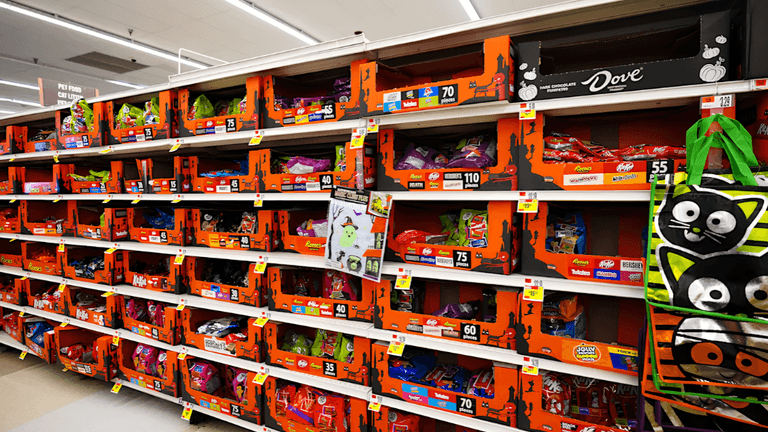
Weekend Halloween events offer daytime and evening options for families, with weather, visibility, and accessibility as key factors.
Halloween falls on Saturday, October 31, this year, creating a different rhythm for families than a holiday that arrives during the school and work week. The weekend timing allows more room for daytime events, neighborhood gatherings and evening celebrations, but it can also mean busier public spaces and longer periods of activity.
Communities across the United States have organized costume contests, park programs, shopping-center activities and traditional trick-or-treating. In places where weather may affect outdoor plans, families are also weighing backup options and checking for event updates.
The holiday’s broad appeal comes from its flexibility. Some households focus on costumes and candy, others attend community events or visit seasonal attractions, and some prefer low-key activities at home. A successful plan often depends less on doing everything and more on choosing activities that suit the family’s needs.
A weekend creates more scheduling options
When Halloween falls on a Saturday, families can consider events throughout the day rather than fitting every activity around school and work schedules. Daytime festivals and park programs may be easier for younger children, while older children and adults may prefer evening celebrations.
The additional flexibility can also mean more competing events. Families who intend to visit multiple locations may benefit from choosing a primary activity first and allowing extra time for travel, meals and rest.
Local event listings are useful starting points, but details should be confirmed with the organizer. Start times, admission rules, parking arrangements and weather-related changes can vary from one venue to another.
For households with several children, it may help to agree on expectations before leaving home. A clear plan for how long to stay, where to meet if separated and how to contact one another can make crowded events easier to manage.
Costumes should balance creativity and practicality
Costumes remain central to Halloween, but comfort and visibility are important as well. Clothing should allow children to walk, sit and move freely. Long hems, oversized shoes and trailing accessories can increase the risk of falls, especially on dark or uneven sidewalks.
Masks should not block a child’s vision or breathing. Face paint and makeup should be intended for skin use and removed according to product directions. Accessories should be age-appropriate and should not create sharp or dangerous edges.
Reflective strips, glow accessories and flashlights can help make pedestrians more visible after dark. Bright details can be incorporated into a costume without changing its overall design.
Families expecting rain or cooler temperatures may need to layer clothing underneath costumes or select materials that remain comfortable when damp. In regions with warmer weather, hydration and breaks from heat may be more relevant.
Weather can change the shape of the holiday
Forecasts ahead of Halloween have pointed to possible rain in several parts of the country, including Southern California and portions of the South. The exact timing and intensity of local conditions can change, so families should check current forecasts for their own area.
Rain may prompt organizers to move activities indoors, shorten outdoor programs or adjust schedules. Families should not assume that an event is canceled simply because rain is possible, nor should they assume it will proceed unchanged. Checking the venue’s own announcement is the most reliable way to confirm its plans.
Drivers should be especially attentive on residential streets where children may be crossing between homes. Pedestrians can help by using sidewalks and marked crossings, staying visible and avoiding distractions.
Making celebrations more accessible
Halloween can be challenging for children and adults who have sensory sensitivities, mobility limitations, food allergies or other needs that make crowded or unpredictable settings difficult.
Families can look for quieter events, shorter routes, accessible entrances and clearly communicated activity schedules. Some community programs offer allergy-aware candy options or non-food treats, though individual arrangements should be verified in advance.
Hosts can also make small changes that help more visitors feel welcome. Keeping pathways clear, offering a range of treats and avoiding pressure on children to participate in every activity can make celebrations more comfortable.
For children who do not enjoy door-to-door trick-or-treating, alternatives include decorating at home, visiting a daytime event or organizing a small gathering with familiar friends. The holiday does not require every household to follow the same routine.
A more manageable holiday
The combination of a Saturday holiday and a wide range of community programming gives families more choices, but a fuller calendar can also make it tempting to overbook the day. Leaving room for breaks, meals and travel can make the experience less stressful.
A practical plan starts with the ages and interests of the people taking part, then considers location, weather and the time available. Checking event information, preparing suitable clothing and agreeing on simple safety arrangements can reduce last-minute problems.
Halloween is ultimately a community celebration as much as a costume tradition. Whether families attend a large public event, walk through their neighborhood or spend the evening at home, the most useful plan is one that leaves room for enjoyment without turning the holiday into a race against the clock.

Women’s Reporter Contributor
Covers beauty, wellness, lifestyle, and popular culture.
This article features partner, contributor, or branded content from a third party. Members of the Women’s Reporter editorial staff were not involved in the creation of this content. All views and opinions are those of the contributor alone.
You may also like

Dolores Huerta, Labor Leader and Women’s Rights Advocate, Dies at 96
Isha Julka: Helping Women Leaders Stop Editing Their Voices and Start Leading From Their Authority


Aligned Embodiment With Kellie Winzinowich
Menopause Awareness Gains Attention as Experts Call for Better Information and Care


Petronely Grindea Dares Women to Inspire
Halloween Candy Sales Start Slowly as High Chocolate Prices Pressure Household Budgets