
Health experts are emphasizing clearer menopause education as women report gaps in information about symptoms, treatment options and changes during midlife.
Menopause is receiving greater attention in health discussions as researchers and clinicians call for better information about symptoms, care options and the changes women may experience during midlife. Recent reporting and survey findings have highlighted how many women reach this stage without feeling adequately prepared to understand what is happening to their bodies or where to seek support.
The issue affects a large population. More than one million women in the United States experience menopause each year, according to commonly cited federal health estimates. Yet the experience varies considerably, and symptoms can overlap with other health conditions, making clear information and appropriate medical assessment important.
The growing discussion is not simply about raising awareness. It also concerns the availability of informed healthcare, the quality of conversations between patients and providers, and the extent to which women can access reliable explanations of their options.
A Transition With Different Experiences
Menopause marks the end of menstrual periods after the natural decline in reproductive hormone activity. The transition leading up to it, known as perimenopause, can involve changes in menstrual patterns and a range of physical or emotional symptoms.
Hot flashes and night sweats are widely recognized, but some women also report sleep disruption, changes in mood, difficulty concentrating, vaginal or urinary symptoms and changes in sexual comfort. The timing, intensity and duration of symptoms differ from person to person.
Not every woman experiences the same symptoms, and some experience relatively few. Others find that symptoms interfere with sleep, work, family responsibilities or daily activities.
Because the transition can unfold over several years, women may not immediately recognize that a new symptom is related to menopause. They may also be uncertain whether a symptom is typical, whether it requires evaluation or which treatments could be appropriate.
Reliable information can help people understand the range of possible experiences without assuming that every symptom has the same cause.
Information Gaps Can Delay Support
Research and surveys have repeatedly identified gaps in menopause awareness and education. Some women report that they received little information before symptoms began, while others describe difficulty finding healthcare professionals who can discuss menopause confidently.
These gaps can affect when women seek care and how prepared they feel to discuss concerns. A person experiencing persistent sleep disruption or hot flashes may initially attribute the changes to stress, aging or other circumstances.
Symptoms can also overlap with conditions that require separate evaluation. For that reason, general information should not replace individual medical assessment, especially when symptoms are severe, unusual or interfere substantially with everyday life.
Healthcare professionals can help assess symptoms, consider other explanations and discuss management options in the context of a person's medical history and preferences.
Improving education may also help women prepare for appointments with questions about symptom patterns, the impact on daily life and available forms of support.
Treatment Decisions Require Individual Assessment
There is no single approach that suits every woman experiencing menopause. Care may include lifestyle adjustments, nonhormonal treatments, hormone therapy for appropriate candidates or support for specific symptoms.
The benefits and risks of treatment depend on individual factors, including age, medical history, the timing of menopause and the symptoms being addressed. Hormone therapy can be effective for certain symptoms, but it is not appropriate for everyone and requires a discussion of personal risks and benefits with a qualified healthcare professional.
Nonhormonal options may also be considered depending on the symptoms and circumstances. Some women benefit from addressing sleep habits, managing environmental triggers or receiving support for mood and stress, although such measures are not substitutes for medical care when it is needed.
Online claims and product marketing can make treatment decisions more confusing. Products promoted as natural or hormone-balancing are not automatically safe or effective, and evidence varies among supplements and other commercial offerings.
Women evaluating a treatment can ask what evidence supports it, what side effects may occur, whether it interacts with other medications and how its effectiveness will be assessed.
The Workplace and Everyday Responsibilities
Menopause can intersect with employment, caregiving and other responsibilities. Sleep disturbances, sudden hot flashes or concentration difficulties may be challenging in workplaces where temperature, schedules or access to breaks are difficult to adjust.
Experiences differ, and not every woman wants to discuss menopause at work. However, clear workplace policies and respectful conversations can help organizations understand how health needs may affect employees.
Flexible access to water, suitable ventilation, rest breaks and private spaces may be useful accommodations in some settings. The appropriate response depends on the employee's needs and the workplace's responsibilities.
At home, family members may also benefit from understanding that symptoms can affect comfort, sleep and energy. Better awareness can reduce misunderstandings without assuming that every woman will experience menopause in the same way.
Why More Education Matters
Health experts' calls for better menopause information reflect a broader need for accessible, evidence-based education throughout women's lives. Information is most useful when it explains what is known, acknowledges uncertainty and helps people recognize when individualized medical advice is appropriate.
Education can also help women distinguish between common symptoms and warning signs that should not automatically be attributed to menopause. Unexpected bleeding after menopause, for example, warrants medical evaluation rather than being dismissed as a routine part of aging.
Clinicians, health systems, employers and public health organizations all have roles in making reliable information easier to find.
Moving Beyond Awareness
The growing attention to menopause represents an opportunity to improve both public understanding and healthcare conversations. Awareness alone is not enough if women cannot access knowledgeable providers or receive clear explanations of their choices.
Better education can help women recognize possible symptoms, prepare questions and make informed decisions in partnership with healthcare professionals. It can also support more realistic conversations about the diversity of menopause experiences.
As the subject receives wider recognition, the central task is to ensure that increased visibility leads to accurate information, respectful care and practical support, not oversimplified claims or one-size-fits-all solutions.

Women’s Reporter Contributor
Covers wellness, personal development, culture, and the changing ways women approach work and life.
This article features partner, contributor, or branded content from a third party. Members of the Women’s Reporter editorial staff were not involved in the creation of this content. All views and opinions are those of the contributor alone.
You may also like
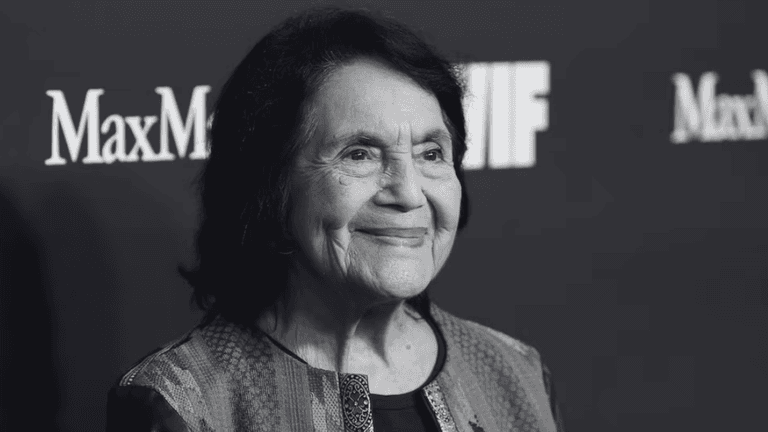
Dolores Huerta, Labor Leader and Women’s Rights Advocate, Dies at 96
Isha Julka: Helping Women Leaders Stop Editing Their Voices and Start Leading From Their Authority
Aligned Embodiment With Kellie Winzinowich
Petronely Grindea Dares Women to Inspire


Halloween Candy Sales Start Slowly as High Chocolate Prices Pressure Household Budgets
The Knot by Your Shoulder Blade May Start Elsewhere