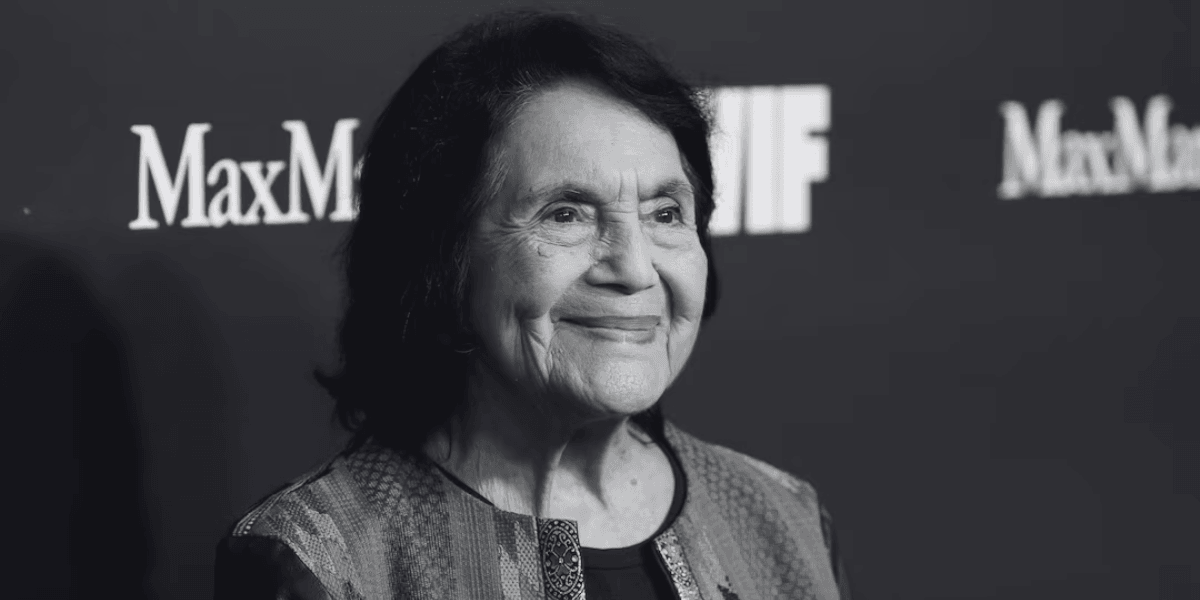
The longtime organizer helped shape the U.S. farmworker movement and became a prominent voice for labor rights and civic participation.
Dolores Huerta, the labor organizer who helped build the United Farm Workers movement and became one of the most recognizable advocates for farmworker rights in the United States, has died at 96, according to news reports published on October 29. Her death prompted tributes from labor groups, community organizations and people who viewed her work as a defining part of the modern farmworker movement.
Huerta spent decades organizing workers, advocating for improved working conditions and encouraging civic participation. Her work helped bring national attention to the challenges faced by agricultural laborers, including low wages, unsafe working conditions and limited bargaining power.
Her influence extended beyond labor negotiations. Huerta became a prominent public figure associated with women's leadership, grassroots organizing and the role of community activism in shaping public policy.
Building a Movement for Farmworkers
Huerta was born in New Mexico in 1930 and grew up in California. Before becoming a full-time organizer, she worked as an educator and became involved in community efforts to address poverty and the needs of working families.
In the 1950s, she joined organizing efforts that sought to improve conditions for agricultural workers. She later worked alongside César Chávez and other activists in building the organization that became the United Farm Workers.
The movement sought to give farmworkers greater bargaining power in an industry where many employees had limited job security and few protections. Organizers used strikes, boycotts, public campaigns and negotiations to draw attention to working conditions and pressure agricultural employers to reach agreements.
Huerta became known for her organizing skills and ability to negotiate. She helped build relationships with workers and supporters while encouraging consumers to recognize the human labor behind the food they purchased.
The movement helped place farmworker conditions into national discussions about labor rights and economic fairness.
A Central Role in Labor Organizing
Huerta's work involved more than public appearances. Organizing required sustained contact with workers, coordination among supporters and the difficult process of building collective action across dispersed agricultural communities.
Farmworkers often faced practical obstacles to organizing, including seasonal employment, geographic isolation and concerns about losing their jobs. Campaigns required organizers to maintain communication, explain workers' rights and build support over extended periods.
Huerta became an important figure in those efforts, helping negotiate contracts and promote campaigns that challenged agricultural labor practices. Her work contributed to a broader public understanding of the role collective bargaining could play in improving conditions for workers.
The farmworker movement also demonstrated how labor campaigns could extend beyond the workplace. Consumer boycotts and public advocacy brought attention to the conditions under which agricultural products were harvested, creating pressure on companies and growers to respond.
Women’s Leadership and Public Life
Huerta's career unfolded in a period when women often faced barriers to leadership in labor organizations and public life. She became a visible example of a woman exercising influence in a movement that required negotiation, public speaking, organizational strategy and long-term commitment.
Her work also reflected the overlapping challenges faced by many women in agricultural communities. Women working in the fields could encounter economic insecurity alongside family responsibilities and limited access to resources.
Huerta's public role helped broaden discussions about who could lead labor organizations and shape social movements. She continued to speak about workers' rights and civic engagement long after the farmworker movement became widely recognized.
Her legacy is therefore connected not only to labor history but also to the history of women organizing for economic and political participation.
The Meaning of the Movement Today
The conditions facing agricultural workers have changed in many respects since the early years of Huerta's organizing career, but questions about wages, workplace safety, housing and access to protections remain part of public debate.
Farm labor continues to be essential to the food supply, yet agricultural work can involve physical demands, exposure to heat and chemicals, and employment arrangements that vary by crop, region and employer.
The history of the United Farm Workers remains relevant to discussions about how workers can organize, negotiate and raise concerns about conditions that affect their health and economic security.
Huerta's career also illustrates the importance of sustained organizing. Major changes in labor relations rarely result from one public event alone. They often depend on years of recruitment, negotiation, coalition-building and pressure from workers and supporters.
Recognition and Public Influence
Over the course of her career, Huerta received major public recognition for her work. Her activism made her a familiar figure in discussions about labor rights, immigration, education and women's participation in public life.
She became known for the slogan “Sí, se puede,” commonly translated as “Yes, we can,” which grew beyond its original organizing context and entered broader political and civic discourse.
Her public visibility helped connect the experiences of agricultural workers with wider debates about fairness, representation and economic opportunity.
A Lasting Legacy
Huerta's death marks the passing of a major figure in the history of American labor organizing. Her work helped build a movement that challenged longstanding practices in agricultural employment and brought farmworker concerns to national attention.
Her legacy is reflected in the labor organizations she helped shape, the campaigns she supported and the generations of organizers who drew inspiration from her approach to community leadership.
For women's history, her career stands as an example of how sustained organizing can create space for women to lead in public life. For labor history, it demonstrates how workers with limited institutional power can build broader support through collective action.
As tributes continued, Huerta's contribution remained closely tied to a central question in American working life: how people whose labor sustains essential industries can secure dignity, fair treatment and a meaningful voice in decisions affecting their lives.

Women’s Reporter Contributor
Covers women in business, entrepreneurship, and career development.
This article features partner, contributor, or branded content from a third party. Members of the Women’s Reporter editorial staff were not involved in the creation of this content. All views and opinions are those of the contributor alone.
You may also like

Isha Julka: Helping Women Leaders Stop Editing Their Voices and Start Leading From Their Authority
Aligned Embodiment With Kellie Winzinowich

Menopause Awareness Gains Attention as Experts Call for Better Information and Care
Petronely Grindea Dares Women to Inspire


Halloween Candy Sales Start Slowly as High Chocolate Prices Pressure Household Budgets
The Knot by Your Shoulder Blade May Start Elsewhere