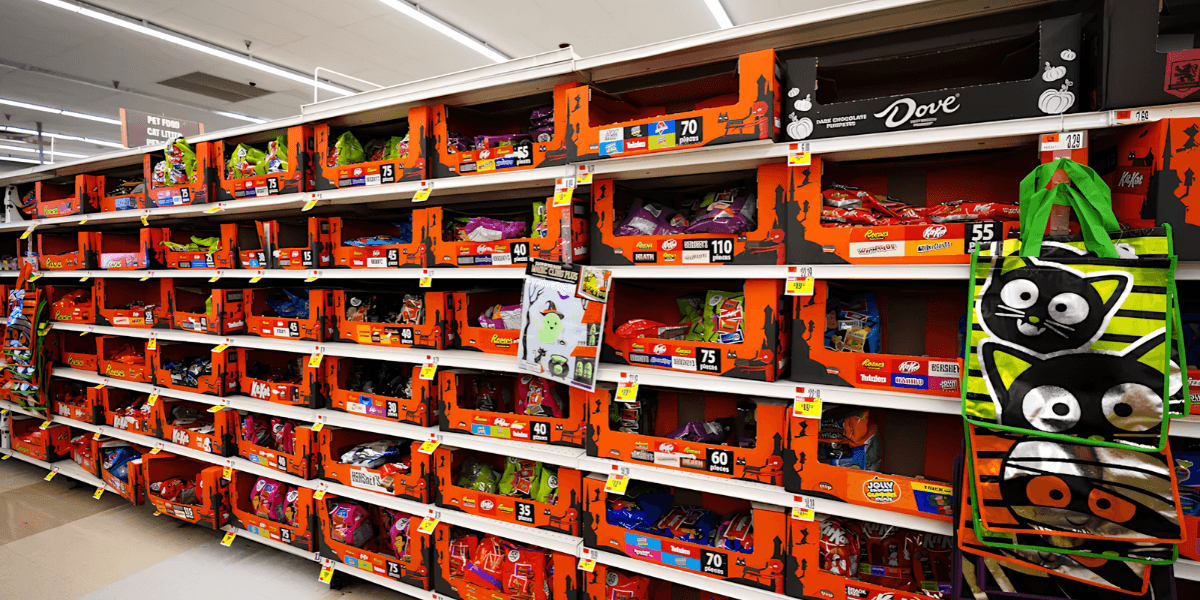
Rising chocolate prices and consumer concerns about affordability are affecting Halloween shopping, with candy purchases off to a slower start.
Halloween candy sales have started more slowly than expected as high chocolate prices and broader affordability concerns weigh on consumers, according to reporting published on October 25. The trend offers a snapshot of how rising everyday costs can influence seasonal shopping, even for products traditionally associated with family celebrations and neighborhood events.
Halloween remains a major period for candy retailers, supermarkets and confectionery manufacturers. However, consumers facing higher expenses for housing, food and other household needs may be more selective about what they buy, how much they spend and when they make their purchases.
The slowdown does not necessarily mean that families will abandon Halloween traditions. Instead, shoppers may change their buying habits, compare prices more carefully, purchase smaller quantities or choose less expensive alternatives as the holiday approaches.
Chocolate Prices Change Shopping Decisions
Chocolate has faced significant price pressure in recent years, with cocoa supply disruptions contributing to higher costs across the industry. Cocoa production is concentrated in a limited number of countries, making the market sensitive to weather conditions, crop disease and changes in harvest volumes.
When raw ingredient prices rise, manufacturers may face higher production costs. Those increases can eventually affect retail prices, although the timing and extent depend on contracts, inventory, product formulations and other expenses.
For consumers, the effect is visible when familiar products cost more than they did in previous seasons. Shoppers who regularly purchase large bags of chocolate bars or assorted candy may find that the same budget buys fewer items.
That can influence the mix of products purchased for Halloween. Some families may select smaller packages, choose candy that is less expensive per unit or wait for promotions before completing their shopping.
The choices are not always straightforward. A lower-priced package may contain fewer pieces, while a larger bag may offer a lower unit cost but require a higher upfront payment. Consumers must balance price, quantity and the number of people they expect to serve.
Household Budgets Shape Seasonal Spending
Seasonal purchases are often discretionary, meaning households can adjust them when essential expenses increase. Candy, costumes, decorations and party supplies may remain important to family traditions, but shoppers can change how much they spend without eliminating the celebration entirely.
The broader economic environment has placed pressure on household budgets. Housing costs, insurance, transportation, utilities and food can leave families with less money for additional purchases. Even consumers who remain employed may feel the effect of higher prices when several expenses rise at once.
That pressure can be especially noticeable during holiday periods, when households face multiple spending decisions within a short period. Halloween is followed by other seasonal gatherings and year-end holidays, prompting some shoppers to spread purchases across several weeks or set stricter spending limits.
Retailers respond by offering discounts, promotions and different package sizes. Such measures can help attract price-sensitive consumers, although they may reduce margins if retailers absorb some of the higher costs.
Retailers Adjust to Changing Demand
A slower start to the Halloween candy season can affect supermarkets, convenience stores, discount retailers and specialty confectionery businesses. These sellers must decide how much inventory to stock and how to price products as the holiday approaches.
Candy is a seasonal category in which timing matters. Retailers generally need sufficient inventory before Halloween, but excessive stock can become difficult to sell after the holiday passes. A slower start may lead businesses to reassess promotions or adjust orders as they receive new sales information.
Manufacturers also need to balance production and distribution. Forecasting demand is particularly challenging when consumer behavior changes in response to prices, weather or economic uncertainty.
A short-term slowdown does not automatically determine the final season’s results. Some shoppers purchase candy closer to Halloween, so sales may accelerate during the final days. The overall outcome depends on how much consumers ultimately buy and whether late-season spending offsets the weaker early period.
Retailers may also see differences between product categories. Chocolate treats can face different cost pressures from non-chocolate candy, while premium products may appeal to consumers who are willing to pay more for particular brands or ingredients.
Families Look for Ways to Celebrate on a Budget
For households planning Halloween activities, candy is only one part of the expense. Costumes, decorations, school events and parties can add to the total, especially for families with several children.
Some shoppers may reduce costs by buying fewer items, using reusable decorations, choosing simpler costumes or sharing expenses with relatives and neighbors. Others may purchase a combination of lower-priced candy and a smaller amount of chocolate.
These choices can help families maintain familiar traditions while managing spending. However, the value of a purchase depends on household preferences, dietary needs and the number of children or visitors expected.
Consumers should compare unit prices rather than relying only on the headline price of a package. Checking the quantity and size can help reveal whether a promotion actually offers better value.
Planning ahead can also help prevent last-minute purchases at higher prices or the need to buy more candy than necessary. At the same time, shoppers may want to leave some flexibility in their budget because discounts and availability can change as Halloween approaches.
What the Slow Start Means for the Candy Industry
The early sales pattern highlights the connection between commodity prices and consumer behavior. When ingredient costs rise, manufacturers and retailers must decide how much of the increase to pass on to customers and how much to absorb.
If prices remain high, businesses may adjust package sizes, product ranges or promotional strategies. Such changes can help preserve sales but may also influence how consumers perceive value.
The industry must also distinguish between a delay in purchasing and a lasting reduction in demand. A slower start could reflect shoppers waiting for discounts, or it could indicate that households are reducing spending more broadly. Additional sales data will be needed to determine which pattern dominates.
For retailers, the final days before Halloween will be important in assessing whether demand recovers. For families, the immediate concern is how to preserve the fun of the holiday while managing rising costs.
The reported slowdown suggests that even seasonal traditions are being shaped by affordability pressures. Halloween candy remains a familiar part of the celebration, but shoppers are increasingly weighing price, quantity and household budgets before filling their baskets.

Women’s Reporter Contributor
Covers beauty, wellness, lifestyle, and popular culture.
This article features partner, contributor, or branded content from a third party. Members of the Women’s Reporter editorial staff were not involved in the creation of this content. All views and opinions are those of the contributor alone.
You may also like

Isha Julka: Helping Women Leaders Stop Editing Their Voices and Start Leading From Their Authority
Aligned Embodiment With Kellie Winzinowich


Petronely Grindea Dares Women to Inspire
The Knot by Your Shoulder Blade May Start Elsewhere


Study Links an Extra Year of Education to Lower Dementia Diagnoses Decades Later
Vestir Is Redefining How Women Discover And Shop Luxury Fashion