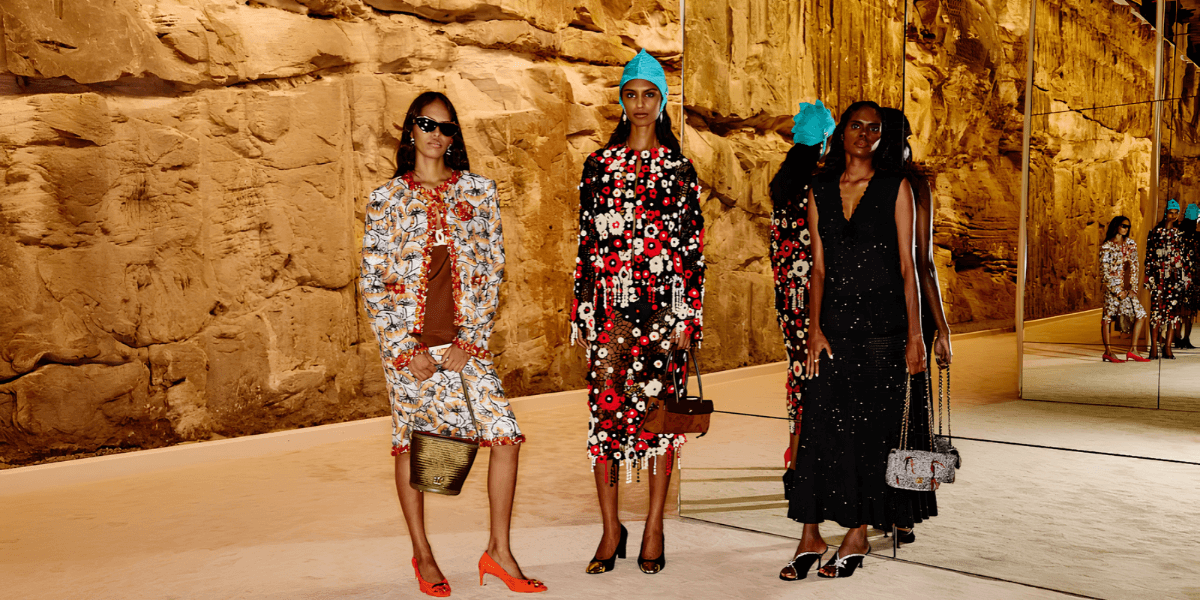
Chanel hosted its Cruise 2026/27 collection in Sydney, emphasizing high-value client engagement in luxury retail.
Chanel brought an elaborate fashion presentation to Sydney for two showings of its Cruise 2026/27 collection, turning the Australian city into a temporary center of global luxury attention. The November 7 report on the event highlights a business reality behind fashion spectacles: the importance of high-value customers who support luxury brands through repeat purchases and long-term relationships.
The presentation involved an estimated 300-person operation and attracted approximately 1,300 guests, including celebrities, industry figures and around 800 local and regional Very Important Customers. The event demonstrated how major fashion houses use destination presentations not only to showcase collections but also to deepen relationships with customers in important markets.
Sydney's selection reflects Australia's growing relevance to luxury retail. Chanel has eight boutiques in the country, half of them located in Sydney, while Australian sales exceeded A$500 million in the previous year.
A collection presentation with a commercial purpose
Cruise collections occupy a distinct position in the fashion calendar. Originally associated with customers traveling during colder months, the category has developed into a major opportunity for luxury houses to present designs outside the traditional spring-summer and autumn-winter schedule.
Destination shows allow brands to connect collections with a specific location and create a broader experience around the presentation. The city becomes part of the brand narrative, while the event can generate international coverage and strengthen relationships with clients who are invited to attend.
Chanel's Sydney presentation followed this model. The event brought a large production operation to the city for two showings of its Cruise 2026/27 collection, which had previously been presented in Biarritz.
The guest list included high-profile names such as Nicole Kidman, Margot Robbie, Kylie Minogue and Baz Luhrmann. However, the presence of local and regional customers was equally significant from a business perspective.
Why luxury brands prioritize their most valuable clients
Very Important Customers represent a small portion of the overall luxury customer base but can account for a substantial share of industry revenue. Estimates cited in coverage of the event suggest that this group represents approximately 2% of customers while generating nearly half of luxury sales.
That concentration helps explain why brands invest in highly personalized experiences. Private presentations, exclusive invitations and direct engagement can strengthen customer loyalty and create opportunities for long-term spending.
For luxury companies, maintaining these relationships is especially important in a market where consumer demand is uneven. Affluent customers may continue to purchase high-end products even when broader retail spending faces pressure, making them a central audience for brands seeking stability.
The Sydney event also illustrates how luxury houses approach regional markets. Rather than relying solely on advertising or conventional retail launches, brands can use major presentations to reinforce their presence and create memorable experiences for established clients.
Sydney's place in the luxury market
The choice of Sydney reflects the city's role as an important center for luxury retail in Australia. With half of Chanel's Australian boutiques located there, the market offers an established customer base and a strong commercial reason for the brand to invest in a high-profile presentation.
The event also brought attention to the wider city. International guests, production teams and fashion professionals contributed to a major temporary operation involving accommodation, transport, security and local programming.
Estimates placed the cost of the presentation at between A$10 million and A$20 million, although the brand's return on investment and the wider tourism impact remain uncertain. The spending demonstrates the scale of resources involved in producing destination fashion events, but it does not by itself establish their commercial success.
Exclusivity and the changing fashion conversation
Large luxury presentations can also raise questions about access to public spaces and the relationship between private fashion events and the cities that host them. The Sydney event drew attention to the contrast between the resources devoted to luxury experiences and the pressures facing mainstream retail.
That contrast is part of a wider discussion about the fashion industry's position in the economy. Luxury brands often serve customers with greater spending capacity, while department stores and other retailers face a more difficult environment.
Chanel's Sydney presentation shows how global fashion houses are using destination events to maintain visibility and strengthen relationships with their most valuable customers. The collection remains the public focus, but the commercial strategy extends beyond the runway: it is about reinforcing brand loyalty in markets where luxury spending continues to matter.

Women’s Reporter Contributor
Covers beauty, wellness, lifestyle, and popular culture.
This article features partner, contributor, or branded content from a third party. Members of the Women’s Reporter editorial staff were not involved in the creation of this content. All views and opinions are those of the contributor alone.
You may also like

HP Attorneys, PLLC: Fighting for Justice with Integrity in North Mississippi
Tapestry Reports 11% Revenue Growth as Coach Drives Strong Performance Across Global Fashion Markets

2026 CFDA Fashion Awards Put American Designers and Industry Creativity in the Spotlight
Women Make Their Mark at the 2026 New York City Marathon as Sheila Chepkirui Claims Second Title


Halloween Falls on a Saturday, Bringing More Choices and Planning Needs, for Families
Dolores Huerta, Labor Leader and Women’s Rights Advocate, Dies at 96