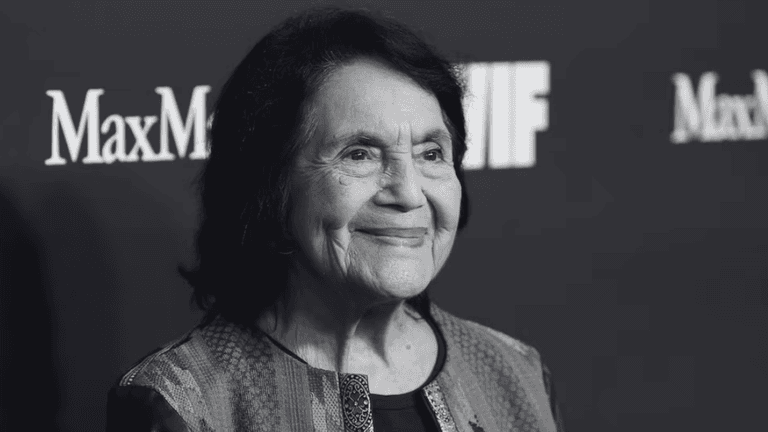
The 2026 CFDA Fashion Awards spotlighted American designers and industry talent amidst evolving global retail trends.
The 2026 Council of Fashion Designers of America Fashion Awards brought renewed attention to American fashion, celebrating designers, creative professionals and industry contributors whose work continues shaping the country's fashion landscape.
The annual awards are among the most recognized events in the American fashion industry, bringing together designers, models, fashion executives, stylists and other professionals.
The event provides a platform for recognizing creative achievements across womenswear, menswear, accessories and emerging design talent.
The 2026 edition also highlighted the continuing importance of American designers in an international industry increasingly influenced by changing consumer expectations, digital retail and global competition.
An Established Platform for American Fashion
The CFDA Fashion Awards are organized by the Council of Fashion Designers of America, a nonprofit trade association representing American fashion professionals.
The organization was established to support the development and recognition of American design talent.
Its awards program has developed into an important annual gathering for the industry, recognizing individuals and businesses whose contributions influence fashion design and the wider creative economy.
The awards cover several areas of fashion, including womenswear, menswear, accessories and emerging talent.
They also recognize contributions that extend beyond traditional garment design.
Fashion increasingly involves collaboration among designers, manufacturers, photographers, models, stylists, retailers and digital content professionals.
The awards provide an opportunity to acknowledge the wider network of creative work supporting the industry.
Designers Navigate a Changing Fashion Market
The recognition of American designers comes at a time when the fashion industry continues adapting to significant commercial and technological changes.
Consumer shopping habits have shifted considerably through online retail, social commerce and direct-to-consumer business models.
Fashion companies must now compete across physical stores, e-commerce platforms and digital marketplaces.
This has changed how brands introduce collections, communicate with customers and manage product availability.
Designers must balance creative development with commercial considerations such as production costs, inventory planning and customer demand.
The growing influence of online platforms has also increased the speed at which fashion trends can spread.
A collection can receive international attention through digital coverage and social media shortly after its presentation.
However, visibility does not necessarily translate into sustainable commercial performance.
Fashion businesses must still establish consistent product quality, recognizable brand identities and reliable distribution systems.
Womenswear Remains Central to American Fashion
Womenswear continues to represent a major segment of the American fashion market.
The category includes luxury clothing, contemporary design, sportswear, occasionwear and everyday apparel.
American designers have historically contributed to fashion through approaches that combine practicality, individual expression and changing cultural influences.
The industry's current direction includes continued attention to tailoring, material development, versatility and the relationship between clothing and lifestyle.
Designers also face questions concerning production transparency, material sourcing and the environmental impact of manufacturing.
These issues influence both creative decisions and the operational strategies of fashion companies.
For established brands, maintaining a recognizable design identity while responding to changing customer preferences remains an important challenge.
For emerging designers, gaining access to retailers, manufacturing resources and industry networks can determine whether a creative business can develop into a sustainable enterprise.
Recognition Extends Beyond the Runway
The CFDA awards highlight the fact that fashion is not limited to clothing collections and runway presentations.
The industry depends on a broad range of professionals working across design, styling, marketing, production, photography and retail.
Models and creative directors help communicate the visual identity of fashion collections.
Retail executives determine how products reach customers, while manufacturers manage the technical processes involved in producing garments and accessories.
Fashion media also plays a role in connecting designers with consumers and industry audiences.
The awards bring these professional communities together and provide visibility for work that may otherwise receive less public attention.
This recognition can contribute to a designer's industry profile, although commercial success ultimately depends on business execution and consumer response.
American Fashion Competes in a Global Industry
The United States remains an important market for international fashion brands and an influential center for fashion media, retail and creative business.
American designers operate in an increasingly interconnected environment.
Collections may be designed in New York, manufactured internationally and distributed through retailers serving customers across multiple continents.
Global supply chains provide opportunities for scale but also introduce operational challenges.
Companies must manage manufacturing costs, shipping, inventory and changing international market conditions.
The fashion industry is also adapting to advances in artificial intelligence and digital design tools.
Technology is being explored for product visualization, trend analysis, merchandising and customer engagement.
These developments are changing the business environment in which designers operate, although creative direction and brand identity remain important differentiators.
The Business Importance of Industry Recognition
Fashion awards can provide professional visibility and strengthen the reputation of designers and brands.
For emerging businesses, industry recognition may help create connections with retailers, media organizations and potential commercial partners.
For established companies, awards provide another opportunity to reinforce their position within the fashion community.
However, recognition does not replace the practical requirements of running a fashion business.
Designers must still manage finances, product development, manufacturing relationships and customer expectations.
The industry's long-term success depends on balancing creative innovation with operational discipline.
Fashion Continues to Evolve
The 2026 CFDA Fashion Awards placed American creative talent at the center of an important annual industry gathering.
The event reflected the continuing relationship between fashion, business and cultural expression.
As designers respond to changing consumer behavior, technology and international competition, the importance of professional recognition remains part of the industry's development.
The awards also demonstrate how American fashion continues to depend on a broad creative community, extending from individual designers to the businesses and professionals responsible for bringing collections to customers.

Women’s Reporter Contributor
Covers beauty, wellness, lifestyle, and popular culture.
This article features partner, contributor, or branded content from a third party. Members of the Women’s Reporter editorial staff were not involved in the creation of this content. All views and opinions are those of the contributor alone.
You may also like
Chanel’s Sydney Cruise Presentation Highlights the Growing Importance of Luxury’s Top Customers
HP Attorneys, PLLC: Fighting for Justice with Integrity in North Mississippi

Tapestry Reports 11% Revenue Growth as Coach Drives Strong Performance Across Global Fashion Markets
Women Make Their Mark at the 2026 New York City Marathon as Sheila Chepkirui Claims Second Title


Halloween Falls on a Saturday, Bringing More Choices and Planning Needs, for Families
Dolores Huerta, Labor Leader and Women’s Rights Advocate, Dies at 96