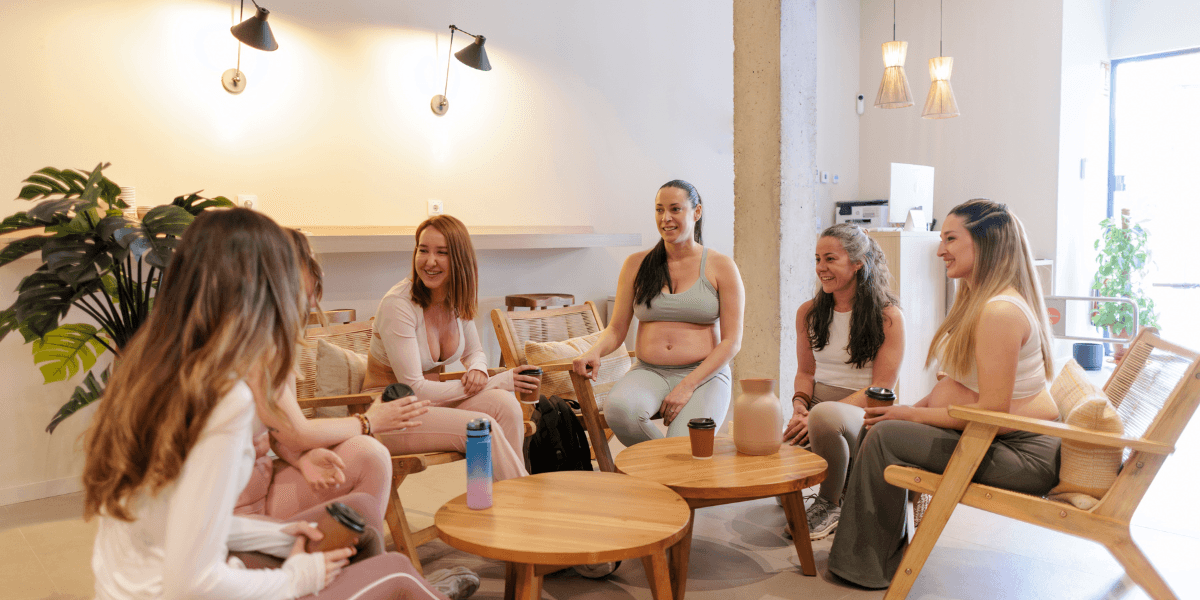
As the first half of the year comes to a close, many women are embracing a more intentional approach to everyday living, placing greater emphasis on balance, well-being, and sustainable habits. Lifestyle experts say the growing interest in mindful living reflects a shift away from constant productivity toward routines that support physical health, emotional resilience, meaningful relationships, and personal fulfillment.
Rather than making dramatic lifestyle changes, many individuals are adopting small, consistent practices that can be maintained over time. These include setting healthy boundaries, organizing living spaces, reducing unnecessary commitments, spending more time outdoors, and making room for activities that encourage relaxation and creativity.
Wellness professionals note that mindful living is less about achieving perfection and more about making thoughtful choices that align with personal priorities and long-term well-being.
Daily Routines Create a Sense of Stability
Lifestyle coaches emphasize that predictable routines can provide structure during busy periods while reducing unnecessary stress.
Simple practices such as preparing meals in advance, maintaining regular sleep schedules, planning weekly priorities, and setting aside time for physical activity help create consistency throughout the day.
Experts say routines should remain flexible enough to accommodate changing responsibilities while providing a reliable framework that supports healthy habits.
Many women also find that beginning or ending the day with quiet reflection, journaling, or reading helps establish a positive rhythm that carries into other aspects of life.
Boundaries Are Becoming an Essential Form of Self-Care
Mental health professionals continue encouraging individuals to establish healthy boundaries in both personal and professional settings.
Learning when to decline additional commitments, protecting personal time, and communicating expectations clearly can help reduce feelings of overwhelm while preserving energy for the people and activities that matter most.
Experts emphasize that healthy boundaries are not about limiting relationships but about creating balance that supports mutual respect and long-term well-being.
Many individuals report greater satisfaction after intentionally evaluating how they spend their time and making adjustments that better reflect their personal values.
Hobbies Support Creativity and Emotional Wellness
Creative hobbies continue gaining recognition as valuable components of a balanced lifestyle.
Activities such as gardening, painting, cooking, knitting, photography, music, and writing provide opportunities to relax while developing new skills and expressing creativity.
Lifestyle researchers note that participating in enjoyable activities can contribute positively to emotional well-being by providing a sense of accomplishment and encouraging moments of focused attention away from daily pressures.
Many women are rediscovering hobbies they once enjoyed or exploring new interests that fit naturally into their schedules.
Experts recommend choosing activities based on genuine enjoyment rather than performance or productivity.
Meaningful Relationships Remain a Priority
Strong personal connections continue to play an important role in overall well-being.
Whether through family gatherings, friendships, neighborhood activities, or community organizations, maintaining supportive relationships contributes to emotional resilience and a greater sense of belonging.
Relationship specialists encourage regular communication, shared experiences, and simple acts of kindness as practical ways to strengthen important connections.
Even brief conversations or shared meals can help reinforce relationships during busy periods.
Experts note that investing time in meaningful relationships often provides lasting benefits for emotional health.
Intentional Consumption Extends Beyond Shopping
Mindful living also influences how many consumers approach purchasing decisions.
Rather than accumulating more possessions, individuals are increasingly focusing on buying fewer, higher-quality items that provide lasting value and support their everyday lifestyles.
The same philosophy often applies to digital media consumption, with many people choosing to spend less time scrolling through social platforms and more time engaging in activities that promote learning, creativity, or meaningful interaction.
Lifestyle experts say these intentional choices help reduce distractions while creating more space for experiences that contribute to personal fulfillment.
Looking Ahead
As mindful living continues gaining popularity, experts expect more women to prioritize routines that balance personal well-being with professional responsibilities and family life.
The growing emphasis on intentional habits reflects a broader understanding that wellness is shaped not by isolated moments but by the choices people make every day.
From establishing healthier boundaries to nurturing relationships and creating meaningful routines, mindful living offers a practical framework for navigating modern life with greater purpose and balance. As more individuals adopt these approaches, they are redefining success in ways that value health, connection, and long-term well-being alongside achievement and productivity.

Women’s Reporter Contributor
Covers beauty, wellness, lifestyle, and popular culture.
This article features partner, contributor, or branded content from a third party. Members of the Women’s Reporter editorial staff were not involved in the creation of this content. All views and opinions are those of the contributor alone.
You may also like

How Olivia and Jack Turns Comfort Into Calm
From Nurse to Network Leader: Simone Herzog

Behind the Blueprint: The Firm Powering Behavioral Health Growth in All 50 States
From Clutter to Calm: How Jamie Wild Is Redefining Organization With Style and Confidence


Peripheral Artery Disease Often Goes Undetected in Women, Researchers Warn
California's IVF Insurance Rules Expand Coverage While Leaving Some Patients With Significant Costs