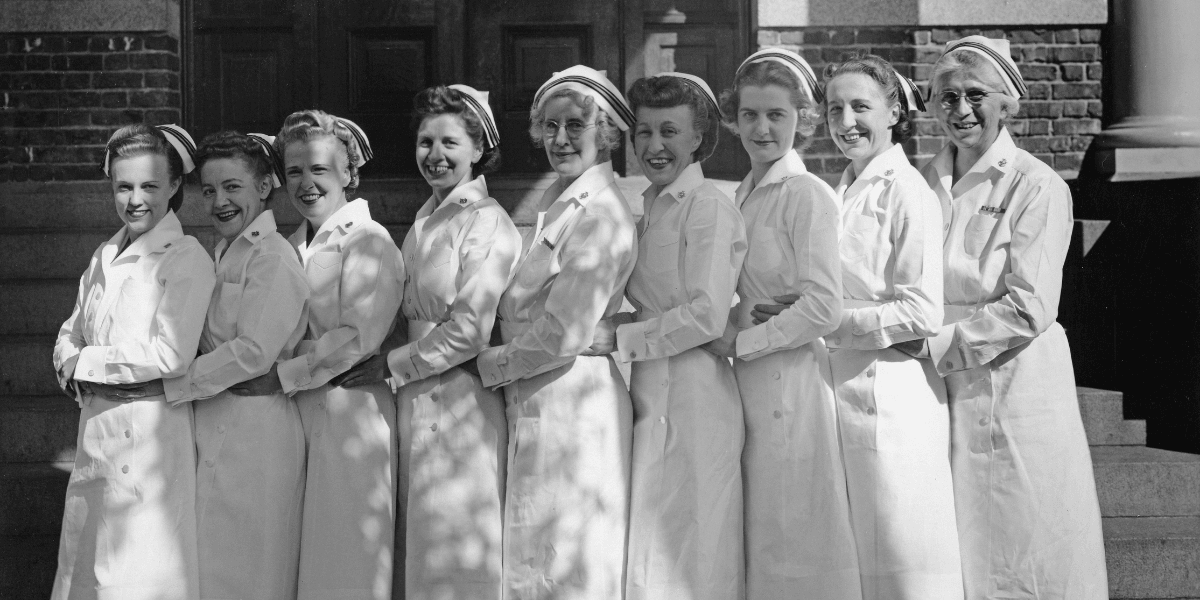
On February 19, 2026, the United States observes National Women Physicians Day, a day dedicated to celebrating and recognizing the critical contributions of female doctors to the field of medicine. This observance honors the legacy of Dr. Elizabeth Blackwell, the first woman to receive a medical degree in the United States in 1849, and highlights the ongoing importance of gender representation in the healthcare industry.
The role of women in medicine has evolved significantly since Dr. Blackwell’s time, and today, women physicians are pivotal in shaping the future of healthcare. As we celebrate this important day, it’s essential to acknowledge not only the historical strides made by women in medicine but also the continued need for greater diversity and representation in the medical profession.
A Historical Perspective: Dr. Elizabeth Blackwell’s Trailblazing Path
Dr. Elizabeth Blackwell’s achievement of becoming the first woman to earn a medical degree in the United States was groundbreaking. In a time when women were largely excluded from professional fields, her perseverance paved the way for future generations of women in medicine. Although Dr. Blackwell faced immense challenges, including societal pushback and institutional barriers, she eventually went on to establish a medical school for women in London, furthering her commitment to female advancement in the healthcare field.
Her journey reflects the broader struggles that women have historically faced in medicine, but it also exemplifies the power of persistence. Women physicians today continue to draw inspiration from Dr. Blackwell’s determination and commitment to breaking barriers in a male-dominated field.
The Growing Presence of Women in Medicine
While Dr. Blackwell’s historic moment in 1849 was a significant milestone, the path for women in medicine has continued to grow and evolve. Today, women make up a significant portion of the U.S. medical workforce. In fact, women represent more than 50% of medical school students in the United States, a significant shift from previous generations when female representation in medical schools was minimal. According to recent data, women now account for nearly 40% of practicing physicians in the country, and this number continues to grow as more women pursue careers in medicine.
This shift towards gender equality has led to a more diverse and inclusive healthcare environment. Female doctors bring unique perspectives and approaches to patient care, as well as advocacy for women’s health issues. However, there are still disparities to address, as women physicians often face challenges such as unequal pay, underrepresentation in leadership roles, and a lack of institutional support.
Why Representation in Medicine Matters
Representation in medicine is not just about numbers; it’s about ensuring that healthcare professionals reflect the diverse communities they serve. For female patients, having women physicians means greater access to healthcare providers who understand their unique needs. From gynecological care to mental health support, women in medicine offer invaluable perspectives on issues that may be overlooked or misunderstood by male counterparts.
Additionally, studies have shown that patients are more likely to trust and feel comfortable with healthcare providers who share similar gender identities or experiences. The presence of women physicians in the workforce also helps ensure that women’s health issues, such as maternal care, breast cancer, and reproductive rights, receive the attention and research funding they deserve.
For aspiring medical students, seeing female role models in the field provides vital encouragement to pursue their dreams of becoming doctors. Women who see other women succeeding in medicine are more likely to feel empowered to follow their own path, regardless of the challenges they may face. This ripple effect of representation helps create a future where the barriers to entry in medicine are reduced, and more women are able to thrive in the field.
The Challenges Women Physicians Still Face
Despite the progress women have made in medicine, they still face several challenges. For example, research shows that women physicians often earn less than their male counterparts, even when controlling for factors like experience and hours worked. According to a recent report, female doctors make approximately $50,000 less per year than their male colleagues.
Furthermore, women in medicine are underrepresented in leadership roles. While women now account for a large portion of the medical workforce, only a small percentage hold leadership positions, such as hospital directors or department heads. This disparity points to the ongoing gender bias that persists in many sectors of medicine.
Another challenge women physicians often face is the work-life balance. The demanding nature of the medical profession can make it difficult for women to juggle family life, personal health, and their careers. Support systems and policies, such as paid family leave and mentorship programs, are crucial to ensuring that women can advance in their careers without sacrificing their personal lives.
The Future of Women in Medicine
The future of women in medicine looks promising, but there is still much work to be done. Organizations are working to ensure that women have the resources and support they need to succeed in the field, from mentoring programs to initiatives that address the gender pay gap.
As we continue to celebrate National Women Physicians Day, we must also acknowledge the work that remains in creating a healthcare system that is truly equitable for all. By increasing support for women physicians, ensuring pay equity, and providing opportunities for women to advance into leadership roles, we can create a more inclusive and effective medical workforce.
The celebration of National Women Physicians Day not only honors the achievements of women doctors but also serves as a reminder of the work still needed to achieve full gender equity in healthcare. Women physicians continue to shape the future of medicine, and their contributions are essential to the advancement of public health, patient care, and medical research.
As more women enter the field, the medical profession will become more diverse, dynamic, and better equipped to meet the needs of all patients. The progress made so far is a testament to the hard work and resilience of women in medicine, and the future is bright for the next generation of female doctors.
Conclusion
On this National Women Physicians Day, we celebrate the pioneering achievements of women in medicine and the ongoing work to ensure that the medical profession remains diverse, equitable, and representative of the populations it serves. Women physicians are leaders, caregivers, and innovators, and their contributions are vital to the continued progress and evolution of the healthcare system. As we honor their hard work and dedication, we are reminded that representation in medicine matters, not just for women, but for everyone.

Women’s Reporter Contributor
Covers wellness, personal development, culture, and the changing ways women approach work and life.
This article features partner, contributor, or branded content from a third party. Members of the Women’s Reporter editorial staff were not involved in the creation of this content. All views and opinions are those of the contributor alone.
You may also like

The Feline Soul Reader: Indrani Das on Healing
Mindset Magic™ And The Shift That Takes Weight Loss Beyond Willpower


JUNE&PEARL And The Art Of Knowing When A Beautiful Thing Is Finished
Women’s Scalp Micropigmentation: A Subtle Approach to Fuller Looking Hair


Andrea Williams And The Beloved Standard
Lynita Mitchell-Blackwell Redefines Legacy Planning