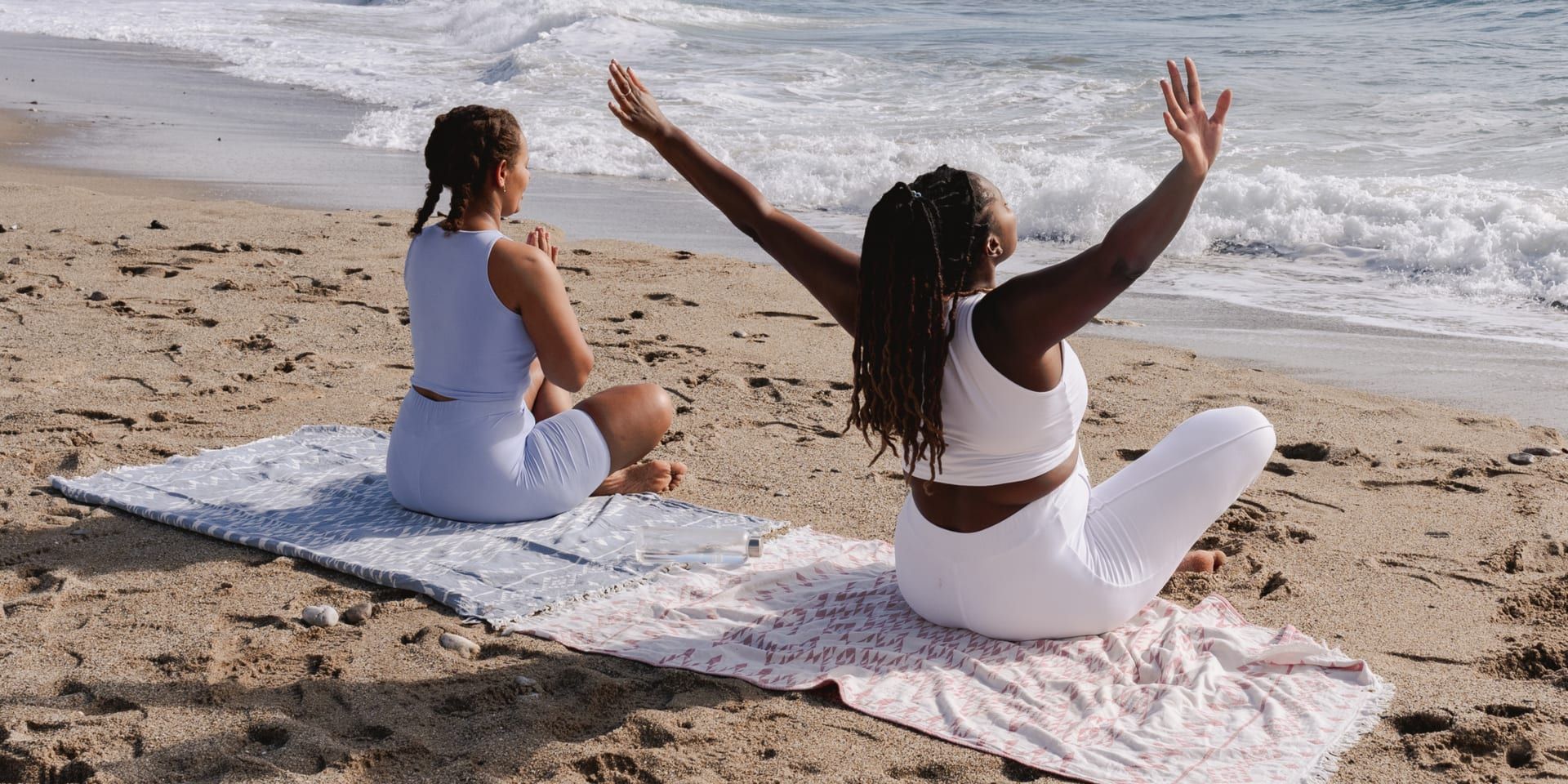
Across the United States this May, communities, healthcare organizations, and wellness advocates are spotlighting women’s health and preventive care through nationwide initiatives centered on education, self-care, and long-term wellbeing. The annual observance period, widely recognized as a time to encourage women to prioritize both physical and mental health, has evolved into a broader cultural movement emphasizing balance, accessibility, and empowerment in everyday life.
From urban wellness festivals and workplace health programs to community clinic outreach and digital wellness campaigns, the focus this year is on making health information more approachable and actionable. The central message is simple: when women are supported with knowledge and resources, families and communities benefit as a whole.
A Growing Focus on Preventive Care and Everyday Wellness
One of the most visible themes of this year’s observance is preventive care. Health professionals across the country are encouraging women to stay current with routine screenings, annual checkups, and personalized wellness plans. The emphasis is not only on medical appointments, but also on building consistent habits that support long-term vitality.
Nutrition awareness sessions, fitness classes designed for all ages, and stress-management workshops have become common features in community centers and local events. Many programs are designed to be inclusive, offering flexible participation options such as virtual classes and mobile health consultations, making wellness more accessible for women with busy schedules.
The broader goal is to shift wellness from something reactive to something proactive—encouraging women to view health as an ongoing practice rather than a series of isolated appointments.
Mental Health Takes Center Stage
This year’s observance also places significant emphasis on mental and emotional wellbeing. Conversations around stress, burnout, and emotional balance have become more open and normalized, particularly in workplace environments and family-focused discussions.
Mindfulness sessions, journaling workshops, and guided meditation programs are being widely promoted as tools to help manage daily pressures. Employers in various industries are also expanding wellness benefits, including mental health days and access to counseling resources, reflecting a growing recognition that emotional health is closely tied to productivity and overall quality of life.
Experts and wellness advocates continue to stress that mental health care is just as essential as physical care. The message resonates strongly with women balancing multiple responsibilities, from careers and caregiving to personal growth and education.
Community Connection and Support Networks
Another highlight of this year’s observance is the renewed emphasis on community connection. Across cities and neighborhoods, women are participating in group wellness walks, peer support circles, and local health fairs that encourage shared learning and encouragement.
These gatherings are helping foster a sense of belonging, particularly for women who may feel isolated due to work demands or life transitions. Community-based programs are also offering resources for maternal health, midlife wellness, and aging with strength and confidence.
Digital communities have further expanded this support system. Online forums and social platforms dedicated to wellness discussions allow women to exchange experiences, share advice, and find encouragement regardless of geographic location.
Lifestyle Shifts That Support Long-Term Health
Beyond structured programs, many women are also embracing small but meaningful lifestyle adjustments. These include prioritizing sleep hygiene, incorporating more movement into daily routines, and choosing more nutrient-conscious meals without strict dieting approaches.
Wellness experts note a growing trend toward “sustainable self-care,” which focuses on realistic habits rather than extreme changes. This approach encourages women to integrate wellness into their daily lives in ways that feel natural and maintainable over time.
Beauty and fashion industries are also reflecting this shift, with an increasing focus on comfort, skin health, and products that support natural confidence rather than rigid standards. This alignment between wellness and lifestyle has helped reinforce the idea that self-care is multidimensional.
Workplace Wellness and Financial Wellbeing
Workplace environments are also playing an important role in this year’s health awareness movement. Companies are expanding wellness initiatives that include flexible schedules, wellness stipends, and health education resources.
Financial wellbeing is increasingly being recognized as part of overall health as well. Educational workshops on budgeting, financial planning, and long-term security are being integrated into wellness programs, helping women build confidence not only in their health choices but also in their financial futures.
This holistic approach reflects a broader understanding that wellbeing is interconnected—physical health, mental health, emotional stability, and financial security all contribute to a balanced life.
A Continuing Movement Toward Empowerment
What stands out most in this year’s observance is the sense of empowerment driving participation. Women across different age groups and backgrounds are engaging with wellness not as a trend, but as a long-term commitment to themselves and their communities.
The movement continues to grow beyond a single month of awareness, influencing how healthcare providers, workplaces, and communities approach women’s health year-round. As conversations become more open and resources more accessible, the emphasis remains on empowerment through knowledge, prevention, and support.
Ultimately, the message of this year’s observance is clear: wellness is not a destination, but an ongoing journey shaped by daily choices, supportive environments, and shared understanding.

Women’s Reporter Contributor
Covers wellness, personal development, culture, and the changing ways women approach work and life.
This article features partner, contributor, or branded content from a third party. Members of the Women’s Reporter editorial staff were not involved in the creation of this content. All views and opinions are those of the contributor alone.
You may also like
The Feline Soul Reader: Indrani Das on Healing
Mindset Magic™ And The Shift That Takes Weight Loss Beyond Willpower

JUNE&PEARL And The Art Of Knowing When A Beautiful Thing Is Finished
Women’s Scalp Micropigmentation: A Subtle Approach to Fuller Looking Hair

Andrea Williams And The Beloved Standard
Lynita Mitchell-Blackwell Redefines Legacy Planning