
Rev. Tamaris L.M. Henagan’s debut book offers an honest and faith centered journey through abandonment, identity, and healing.
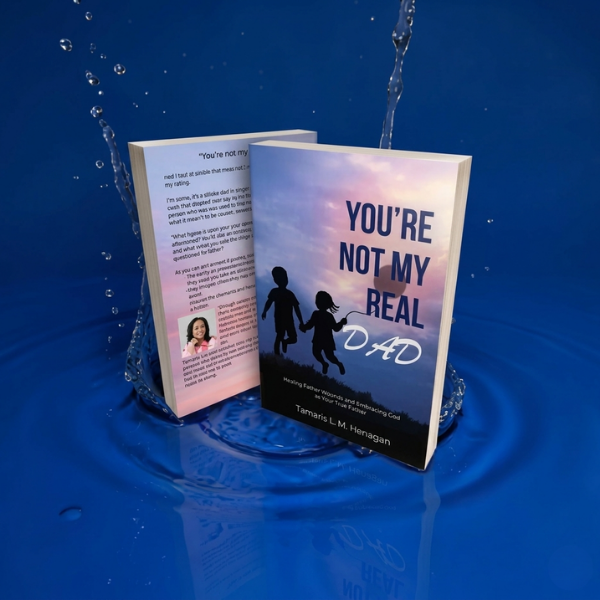
Some books are written to inform. Others are written because silence has become too heavy to carry. You’re NOT My Real Dad! Healing Father Wounds and Embracing God as Your One True Father belongs to the second category.
Written by Rev. Tamaris L.M. Henagan, the book confronts one of the most deeply personal and often unspoken emotional struggles many people carry throughout adulthood: the pain left behind by absent, distant, or emotionally unavailable fathers. Rather than approaching the subject through abstract psychology or surface level encouragement, Henagan writes from lived experience, spiritual conviction, and emotional honesty.
The title itself immediately captures attention because it reflects a phrase many people recognize emotionally, whether they have spoken it aloud or quietly carried it for years.
“You’re not my real dad.”
For some, those words are spoken in anger. For others, they reflect years of hurt, rejection, abandonment, or unanswered questions. In Henagan’s case, the phrase became the starting point for a larger journey toward healing and spiritual restoration.
A Book Built Around Emotional Truth
At its core, You’re NOT My Real Dad! examines what happens when the person meant to provide love, protection, affirmation, and guidance fails to fulfill that role. The book explores how those wounds continue affecting identity, relationships, trust, and self worth long after childhood ends.
What makes the book especially impactful is its honesty.
Henagan does not minimize pain or rush readers toward quick forgiveness. Instead, she walks directly through the emotional complexity surrounding abandonment and unresolved family wounds. The book acknowledges anger, grief, confusion, and emotional exhaustion while also offering hope rooted in faith.
“What if the pain you’ve carried your entire life…was never meant to define you?” Henagan asks throughout the book.
That question becomes the emotional foundation of the entire message.
Rather than focusing solely on what was lost, the book challenges readers to rethink how healing begins and where lasting identity can truly be found.
Faith Without Pretending
Many readers struggling with father wounds also struggle spiritually. For some, painful relationships with earthly fathers shape how they view authority, love, trust, and even God Himself.
Henagan addresses that connection directly.
One of the book’s strongest qualities is its ability to blend personal storytelling with biblical truth without becoming preachy or emotionally disconnected. It acknowledges the difficulty of trusting God when life experiences have made trust itself feel dangerous.
The message is not that pain disappears overnight. It is that healing becomes possible when people begin understanding God as a constant and loving Father, even when human relationships fail them.
That balance between emotional honesty and spiritual encouragement gives the book a depth many readers find relatable and comforting.
A Message For The Quietly Hurting
Part of what makes You’re NOT My Real Dad! resonate so strongly is its understanding of invisible pain.
Henagan writes for readers who may have grown up in homes that appeared stable on the outside while still carrying emotional emptiness internally. She writes for adults who continue seeking approval from fathers who were emotionally unavailable. She writes for people who learned how to survive pain without ever truly healing from it.
The book creates space for readers to finally acknowledge those wounds without shame.
Its format also makes it highly accessible. Compact yet emotionally powerful, the book is intentionally written to be read in a single sitting while leaving a lasting emotional impact long afterward.
That simplicity allows readers to engage with difficult emotions without feeling overwhelmed.
More Than A Personal Story
Although deeply personal, Henagan’s work reflects a broader conversation happening across faith communities and modern culture. Conversations around emotional healing, generational trauma, mental wellness, and spiritual restoration are becoming increasingly important as more people seek honest discussions about family pain and identity.
You’re NOT My Real Dad! enters that conversation with compassion, vulnerability, and clarity.
Rather than offering generic inspiration, the book provides readers with language for emotions many have struggled to articulate for years. It reminds readers that emotional wounds deserve acknowledgment, healing requires honesty, and faith can coexist with difficult questions.
One reader described the experience this way:
“You’re NOT My Real Dad” deeply resonated with me. I could feel the author’s passion in every chapter. Her words connected with my own experiences on such a personal level that it felt both validating and informative. By the end, I was left with a sense of spiritual peace and clarity that stayed with me beyond the final page.”
Responses like this reflect the emotional impact Henagan’s writing continues making on readers searching for understanding and healing.
A Book About Restoration
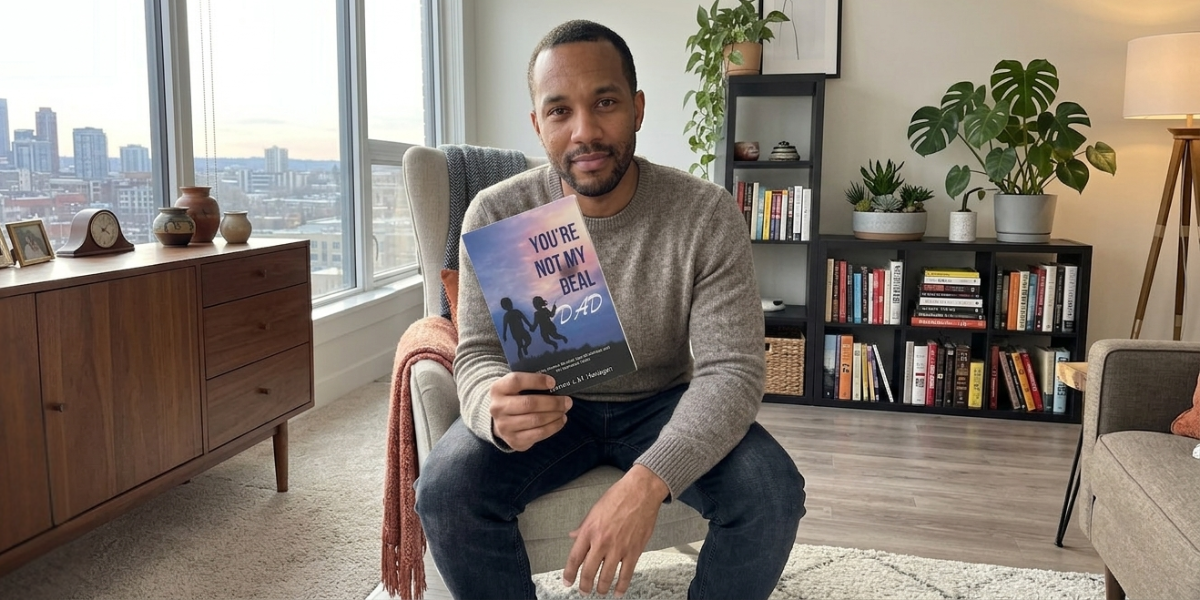
Ultimately, You’re NOT My Real Dad! Healing Father Wounds and Embracing God as Your One True Father is not simply a book about pain. It is a book about restoration.
It reminds readers that abandonment does not determine identity forever. It challenges the belief that broken relationships permanently define a person’s worth. Most importantly, it offers hope that healing is possible even for wounds carried quietly over a lifetime.
For readers searching for emotional honesty grounded in faith, Henagan’s debut offers something increasingly rare: compassion without pretense, truth without judgment, and encouragement rooted in genuine understanding.
Connect with the author’s message, follow updates on Tiktok and Instagram. Engage with the community on Facebook and access additional resources through the author’s website. The book is also available for readers seeking a deeper experience on Amazon.
Step into a story that does not ignore the past, but reframes it. For those ready to move beyond unanswered questions and into a place of clarity, this work offers a meaningful place to begin.

Women’s Reporter Contributor
Covers wellness, personal development, culture, and the changing ways women approach work and life.
This article features partner, contributor, or branded content from a third party. Members of the Women’s Reporter editorial staff were not involved in the creation of this content. All views and opinions are those of the contributor alone.
You may also like

Emmy Awards Red Carpet Brings Television Stars and Fashion Into Focus
South Florida Family Tea Business Highlights the Work Behind Small-Enterprise Growth


Purely Radiant Skincare LLC: Best Emerging Skincare Brand in the United States of 2026
Ralph Lauren Opens New York Fashion Week With Modern Take on Women's Style


Coco Gauff Leads Strong U.S. Presence as Six Americans Reach U.S. Open Quarterfinals
U.S. Women Advance at Basketball World Cup After Narrow Win Over Italy