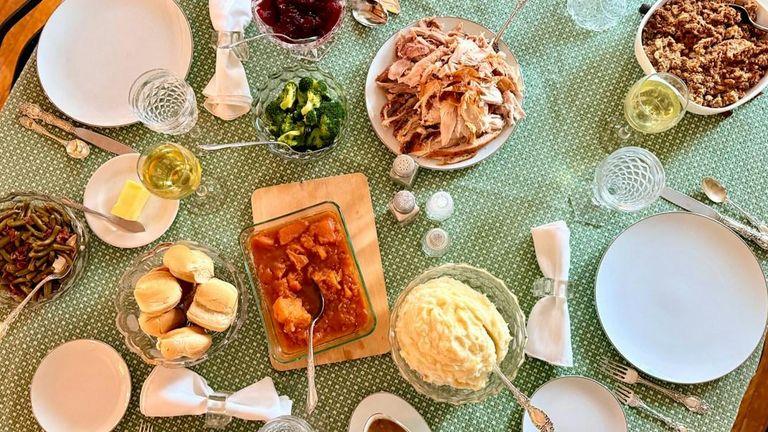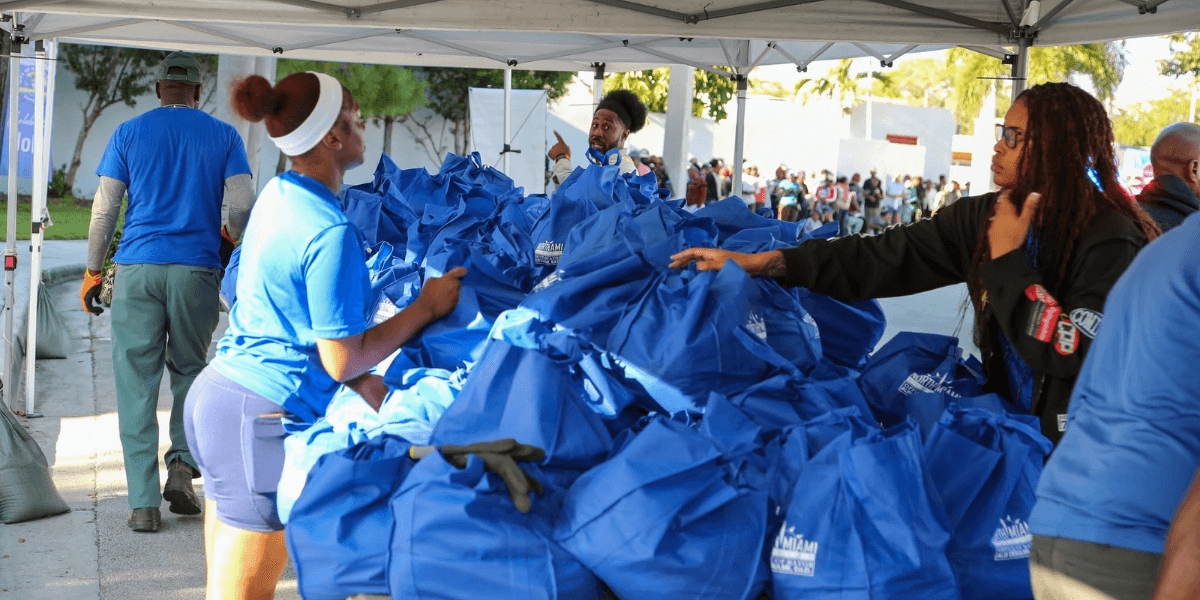
Miami-Dade community partners distribute 2,880 Thanksgiving turkeys to help families and older residents facing rising household expenses.
A Thanksgiving food distribution in Miami-Dade County provided 2,880 turkeys to families and senior residents ahead of the holiday, highlighting the role of community partnerships in addressing household food needs during one of the busiest periods of the year.
The initiative, organized through the office of Miami-Dade County Commissioner Vicki L. Lopez, brought together local businesses, nonprofit organizations, community representatives, and volunteers to distribute food throughout District 5.
The November 23 announcement emphasized the financial pressures affecting households, particularly families balancing grocery expenses, housing costs, transportation, and other essential needs.
The distribution was intended to help residents prepare traditional Thanksgiving meals while providing additional support to older adults and working families.
Community Support for Thanksgiving Households
Thanksgiving remains an important family holiday in the United States, traditionally bringing relatives and friends together for shared meals.
However, preparing a holiday dinner can create additional financial pressure for households already managing regular living expenses.
The Miami-Dade initiative addressed that concern by distributing thousands of turkeys before the holiday.
According to the county announcement, Commissioner Lopez worked with community organizations and volunteers to coordinate the effort. The initiative received support from The Related Group, the Miami Marlins, the Miami Heat, Survivors Pathway, Signature Flight Support, Amazon, Tito's, Feeding South Florida, and additional organizations and volunteers.
The participating groups contributed resources, donations, and assistance to help make the distribution possible.
The program focused on reaching residents throughout District 5, including families and seniors who could benefit from additional food assistance before Thanksgiving.
Financial Pressures Affecting Families and Older Adults
The distribution comes amid continued attention to household affordability across the United States.
Food, housing, transportation, and utility expenses can place considerable pressure on household budgets, particularly when income does not increase at the same pace as essential costs.
For families with children, holiday preparations can involve additional grocery purchases and other expenses associated with school breaks, family gatherings, and travel.
Older adults living on fixed incomes may face different but equally significant challenges. Their budgets can be particularly sensitive to changes in food prices, housing expenses, and healthcare-related costs.
The county's announcement specifically recognized the difficulties experienced by seniors and working families attempting to prepare Thanksgiving meals while managing everyday financial obligations.
Food distribution programs can help address immediate needs, although they do not replace the broader economic and social measures required to improve long-term household stability.
The Importance of Local Partnerships
The initiative demonstrates how local government, businesses, sports organizations, and nonprofit groups can coordinate resources to support community needs.
Each participating organization contributes to a wider network of assistance. Some provide financial or material support, while others help organize distribution activities and connect residents with available resources.
The involvement of the Miami Marlins and Miami Heat also illustrates how professional sports organizations can participate in community-focused activities beyond their primary entertainment operations.
Corporate partners, meanwhile, can contribute through donations, employee participation, and relationships with established nonprofit organizations.
Feeding South Florida's involvement connects the initiative with the region's broader food assistance network.
Such partnerships are especially relevant during holiday periods, when demand for food support may increase as households prepare larger meals and manage additional seasonal expenses.
Food Assistance Beyond the Holiday Season
The county reported that Commissioner Lopez and her office have worked with local organizations throughout the year on food distributions and meal deliveries.
The Thanksgiving program therefore forms part of a wider community effort rather than an isolated seasonal activity.
Ongoing food assistance can help households facing temporary financial difficulties and residents who need support accessing groceries.
Community programs also provide opportunities for local organizations to identify needs, establish relationships with residents, and connect households with other available services.
However, the scale of food insecurity means that such initiatives must operate alongside longer-term efforts involving food access, household income, community services, and the availability of affordable essentials.
The distribution of 2,880 turkeys represents a measurable contribution to immediate holiday needs, but it does not indicate how many households in the wider county continue to experience food insecurity.
The Role of Women and Families in Household Food Planning
Food preparation and holiday planning often involve considerable coordination within families.
Households must consider grocery budgets, dietary preferences, transportation, cooking arrangements, and the needs of children and older relatives.
For families experiencing financial pressure, access to donated food can reduce some of the expenses associated with holiday gatherings.
The distribution also recognizes that food support can have a wider household impact. A single donated item may help families redirect limited resources toward other essential purchases.
For older residents, assistance can also reduce the difficulty of obtaining and transporting groceries.
These practical considerations help explain why community food programs remain relevant even when they operate for a limited period around a particular holiday.
A Community-Based Response
Commissioner Lopez described the initiative as an opportunity to support neighbors and acknowledge the contributions of participating organizations.
The county also recognized the volunteers who helped coordinate and carry out the distributions.
Beyond the food itself, the event created opportunities for community representatives to meet residents, hear about household challenges, and recognize organizations involved in local assistance programs.
The November distribution demonstrates the importance of coordinated community support during periods when family expenses increase.
As Thanksgiving approaches, the 2,880 turkeys distributed across District 5 represent direct assistance to residents preparing for the holiday. The initiative also highlights the continuing role of local partnerships in helping families and seniors manage immediate food needs while broader affordability concerns remain part of everyday household life.

Women’s Reporter Contributor
Covers beauty, wellness, lifestyle, and popular culture.
This article features partner, contributor, or branded content from a third party. Members of the Women’s Reporter editorial staff were not involved in the creation of this content. All views and opinions are those of the contributor alone.
You may also like

Candice Noguera: Small Business, Lasting Purpose
Andra Napoleon's Compassionate Dementia Mission


Five Women-Led Consumer Brands Receive $50,000 in Funding Through 2026 Entrepreneurship Grant Program
Five Women-Led Consumer Brands Receive $50,000 in Grants From Makers Mindset and The Equity Studio


Sephora Introduces Seth Rogen Holiday Campaign as Beauty Retailers Compete for Gift Shoppers
DoorDash Data Reveals America's Favorite Thanksgiving Sides and Changing Holiday Shopping Habits