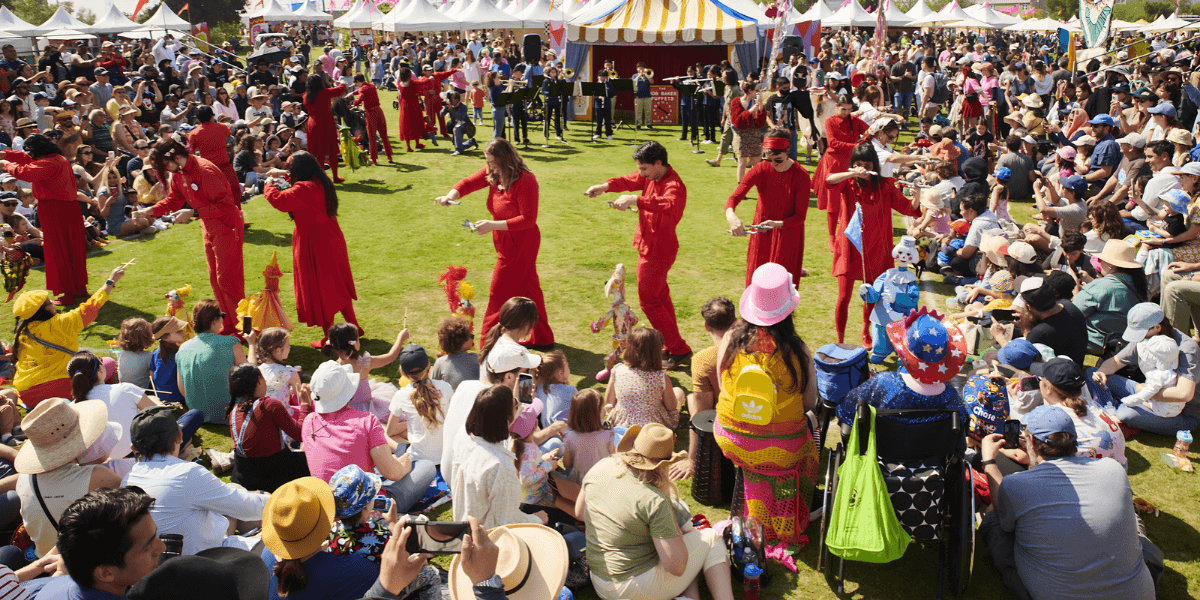
The Heart of LA gathering offered residents a car-free way to explore neighborhoods, public spaces and local businesses across Los Angeles.
A Community Event Built Around Shared Streets
Los Angeles residents gathered for CicLAvia’s Heart of LA event, which opened a 6.5-mile route connecting several neighborhoods to people traveling on foot, bicycles and skates. The program offered a different way to experience parts of the city while creating opportunities for recreation, cultural discovery and community interaction.
The route connected Echo Park, Chinatown, Little Tokyo, the Arts District and Boyle Heights. Rather than concentrating activity in a single venue, the event allowed participants to move between districts and choose how much of the route they wanted to explore.
For families and casual visitors, the format offered flexibility. Some could spend the day traveling between neighborhoods, while others could visit a shorter section, stop at a community hub or explore nearby businesses.
Open-street events also create a setting in which people can encounter their city at a slower pace. Without ordinary vehicle traffic along the designated route, participants can focus on public art, local destinations and the character of individual neighborhoods.
Recreation Beyond Traditional Sports
The event provided opportunities for several forms of physical activity, including walking, jogging, cycling and skating. These activities can accommodate different ages and fitness levels, allowing participants to choose a pace and distance suited to their preferences.
Unlike organized competitions, an open-street gathering does not require participants to meet a performance target or complete a prescribed course. The emphasis is on access to public space and the opportunity to move through the city in a recreational setting.
That distinction can be important for families looking for activities that accommodate different interests. One participant may prefer cycling, while another may enjoy walking between community stops or exploring nearby cultural destinations.
Organizers included amenities such as water-refill locations, bicycle repair, bike parking, restrooms and first aid at route hubs. Such facilities help support a public event that attracts participants with different needs and levels of preparation.
The experience also illustrates how cities can create opportunities for outdoor recreation without requiring a dedicated sports facility. Temporarily changing the use of existing streets allows residents to use familiar infrastructure in a different way.
Neighborhood Culture and Local Discovery
The route connected districts with distinct cultural identities and commercial environments. Little Tokyo and Chinatown, for example, offer different histories and business communities, while the Arts District and surrounding areas provide additional opportunities to encounter galleries, restaurants and creative spaces.
For visitors, moving through these neighborhoods can create a more varied experience than visiting a single attraction. Local businesses may benefit when participants stop for meals, refreshments or shopping during the event.
The commercial impact, however, depends on how attendees use the route and whether they spend time in nearby establishments. Street closures can also require businesses to adapt delivery arrangements and customer access.
For families, the event's neighborhood format provides an opportunity to introduce children to different parts of the city while encouraging physical activity. It can also create occasions for intergenerational participation, with relatives choosing different distances and activities according to their comfort levels.
The event does not establish that every neighborhood or business benefits equally. Its value lies in creating access and opportunities for interaction, while the longer-term effects depend on attendance, spending and continued community engagement.
Practical Planning for Public Events
Large outdoor gatherings require coordination between organizers, city authorities, emergency personnel and nearby businesses. Traffic arrangements must be clear, and participants need information about route access, facilities and available assistance.
Families and other visitors also benefit from practical planning. Water, suitable footwear and awareness of the route can make participation more comfortable, particularly for people traveling with children or spending several hours outdoors.
Accessible facilities and clear information help make events more inclusive. The availability of restrooms, first aid and water stations can influence how long participants remain in an area and whether they feel comfortable bringing family members.
The design of an open-street event also affects the experience of people who do not participate directly. Residents and businesses near the route may need advance information about street access, deliveries and transportation changes.
These logistical considerations are important because public events operate within neighborhoods that remain active places to live and work.
The Wider Value of Community Activities
CicLAvia’s Heart of LA event demonstrated how a city can temporarily turn streets into a shared recreational environment. Its route offered opportunities for physical activity, neighborhood exploration and informal social interaction across several parts of Los Angeles.
The format also highlighted the relationship between public infrastructure and daily life. Streets are essential transportation corridors, but they can support additional uses when carefully organized events temporarily change how the space operates.
For women and families balancing work, caregiving and recreation, neighborhood events can provide a flexible way to spend time outdoors without committing to a single venue or scheduled activity. The event's open format allowed participants to select their own route and level of involvement.
Its broader significance lies in the combination of mobility, culture and community access. By connecting several neighborhoods through a car-free route, the gathering created a setting for residents to explore the city together and experience familiar streets from a different perspective.

Women’s Reporter Contributor
Covers beauty, wellness, lifestyle, and popular culture.
This article features partner, contributor, or branded content from a third party. Members of the Women’s Reporter editorial staff were not involved in the creation of this content. All views and opinions are those of the contributor alone.
You may also like

Isha Julka: Helping Women Leaders Stop Editing Their Voices and Start Leading From Their Authority
Aligned Embodiment With Kellie Winzinowich
Petronely Grindea Dares Women to Inspire
The Knot by Your Shoulder Blade May Start Elsewhere

Vestir Is Redefining How Women Discover And Shop Luxury Fashion
Samka Keranovic and the Founder Story Behind Desert Roots Wellness