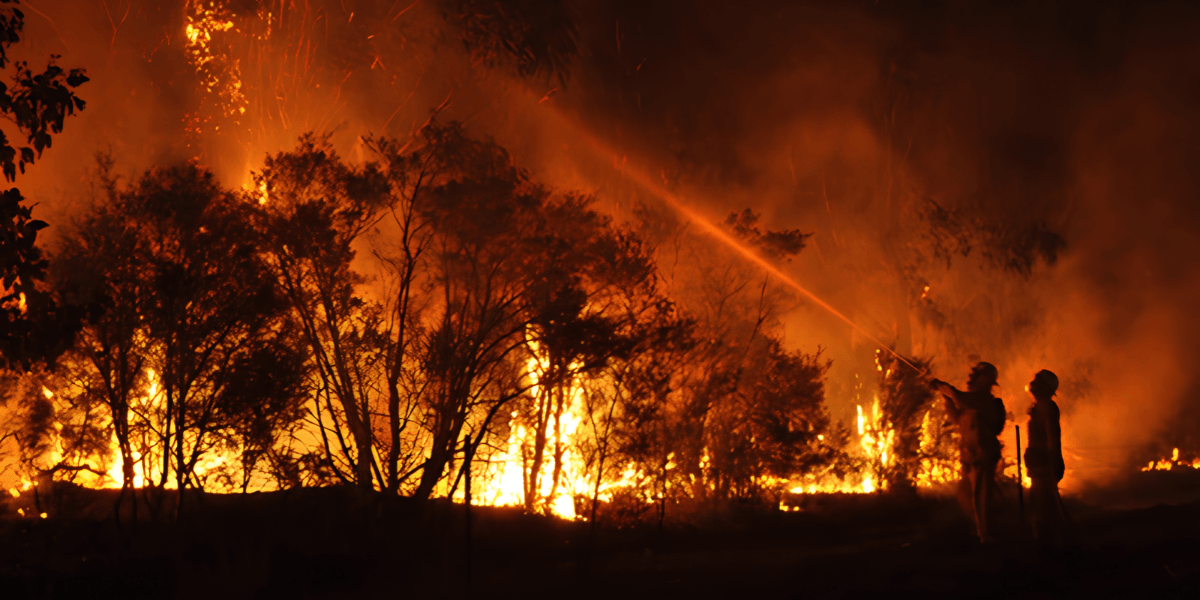
Multiple brush fires threatened communities across Southern California as hot, dry conditions and powerful winds increased the risk of rapid fire spread.
Fires Threaten Communities Across Southern California
Several brush fires broke out across Southern California as hot, dry and windy weather increased wildfire danger, prompting evacuation orders and warnings in affected communities. A fire near Malibu grew to approximately 200 acres, while separate blazes in Azusa and at Camp Pendleton also triggered emergency responses.
The Associated Press reported that the Malibu fire threatened a Los Angeles County juvenile detention and rehabilitation facility, which had to be evacuated. The fire's spread, combined with forecasts of stronger winds, prompted authorities to prepare for the possibility of additional growth.
The fires developed as Santa Ana winds were expected to intensify, with forecast gusts reaching as high as 70 mph in some areas. Red Flag Warnings covered parts of California, signaling conditions favorable for rapid fire spread.
The situation demonstrated how quickly weather conditions can increase wildfire danger, particularly when high temperatures, low humidity and strong winds occur together.
Why Wind Matters During Wildfires
Wind can accelerate a wildfire by carrying embers ahead of the main fire front, increasing the chance that new fires will start beyond the immediate burn area. It can also push flames into unburned vegetation and make firefighting operations more difficult.
Santa Ana winds are a recurring feature of Southern California weather. These winds can bring warm, dry air from inland areas toward the coast, reducing humidity and drying vegetation.
When vegetation is dry, it can ignite more readily and sustain fire growth. Strong winds can then cause flames to move quickly across terrain, threatening homes, roads and other infrastructure.
Forecasting these conditions is an important part of wildfire preparedness. Weather agencies monitor wind speed, humidity and temperature, while fire authorities use that information to prepare crews and communicate risks.
Even when a fire begins in a relatively limited area, changing wind conditions can create a rapidly evolving emergency.
Evacuations and Community Safety
Authorities issued evacuation orders and warnings in areas affected by the fires. Evacuations are intended to move people away from locations where flames, smoke or changing fire behavior could place them at risk.
Residents in threatened areas may need to leave with limited notice, making advance preparation important. Emergency officials commonly recommend monitoring official alerts, following evacuation instructions and avoiding roads needed by firefighters and emergency vehicles.
Smoke can also create health concerns beyond the immediate fire perimeter. Wind can carry smoke into surrounding communities, affecting people who are not directly threatened by flames.
People with respiratory conditions, older adults, children and others who are sensitive to smoke may need to pay particular attention to air-quality information and official guidance.
The extent of smoke exposure varies according to fire activity, wind direction and distance from the burn area.
Power Shutoffs Add Another Disruption
The dangerous weather also affected electricity service. Pacific Gas and Electric reported nearly 62,000 customers without power across 26 counties, while Southern California Edison reported approximately 65,000 outages in parts of Southern California.
Utilities sometimes shut off power proactively when strong winds create a risk that electrical equipment could ignite vegetation. Such decisions involve balancing the danger of equipment-related fires against the disruption caused by outages.
Electricity interruptions can affect refrigeration, communications, medical equipment, traffic signals and business operations. Households that rely on electrically powered medical devices may need additional preparation when outages are possible.
Power restoration can depend on the duration of the dangerous weather and the time required for crews to inspect equipment before re-energizing lines.
A Wider Challenge for California Communities
The fires highlighted the interaction between weather, vegetation, infrastructure and community preparedness. No single factor determines whether a wildfire will spread, but hot conditions, dry vegetation and strong winds can create an especially dangerous combination.
Southern California communities face recurring wildfire risks because development, natural vegetation and seasonal weather patterns often overlap. Emergency planning must account for both the immediate threat of flames and secondary effects such as smoke, transportation disruption and power outages.
The reported fires remained a developing situation as authorities worked to contain the blazes and protect threatened areas. Conditions could change as winds strengthened, making official evacuation information particularly important.
For residents, the event reinforced the importance of responding promptly to warnings and avoiding assumptions that a fire will remain distant or stationary. For local authorities, it underscored the need for coordinated firefighting, evacuation planning and public communication during periods of elevated fire danger.

Women’s Reporter Contributor
Covers beauty, wellness, lifestyle, and popular culture.
This article features partner, contributor, or branded content from a third party. Members of the Women’s Reporter editorial staff were not involved in the creation of this content. All views and opinions are those of the contributor alone.
You may also like

Isha Julka: Helping Women Leaders Stop Editing Their Voices and Start Leading From Their Authority
Aligned Embodiment With Kellie Winzinowich


Petronely Grindea Dares Women to Inspire
The Knot by Your Shoulder Blade May Start Elsewhere


Vestir Is Redefining How Women Discover And Shop Luxury Fashion
Samka Keranovic and the Founder Story Behind Desert Roots Wellness