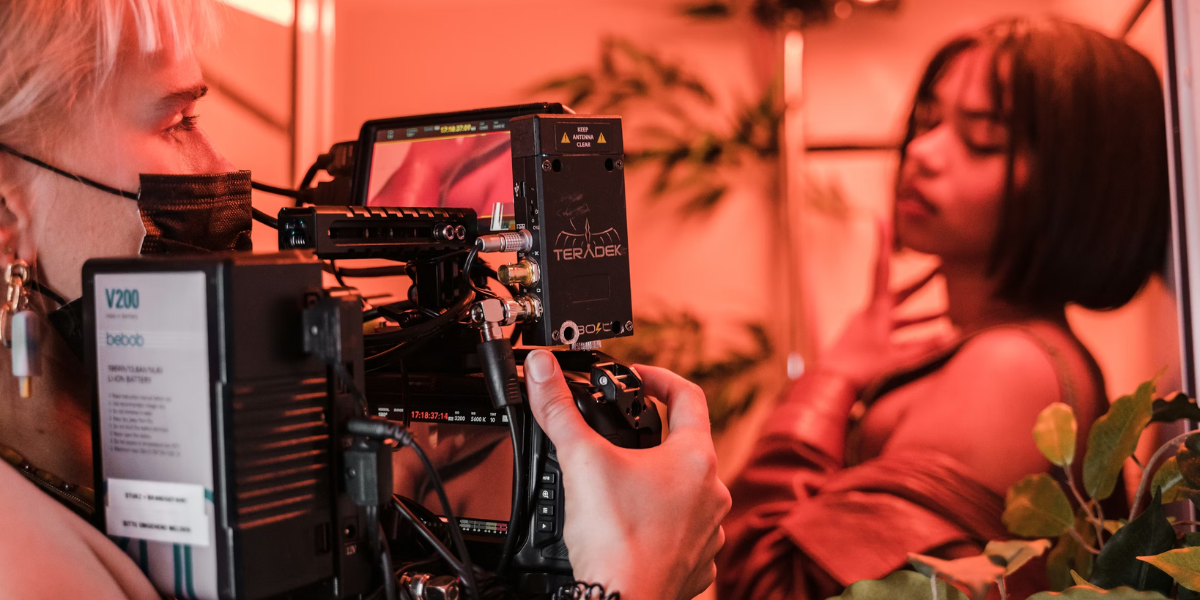
As of April 7, 2026, the U.S. entertainment landscape is seeing a notable surge in recognition and influence of women across film, television, and media, reflecting a broader cultural shift toward inclusive storytelling and leadership. From major award season milestones to new streaming releases and business ventures led by women, today’s developments highlight how female creators and performers continue to shape the direction of the industry.
One of the most prominent trends emerging this week is the continued success of female-led productions on major streaming platforms. Series created by and starring women have dominated viewership charts, with audiences increasingly drawn to stories that center on complex female characters. Industry analysts point to recent platform data showing that shows with women in leading creative roles are not only performing well commercially but are also receiving strong critical acclaim.
Recent award season updates further reinforce this momentum. At several early 2026 ceremonies, women filmmakers and actors have secured top honors across categories traditionally dominated by male counterparts. Organizations such as the Academy of Motion Picture Arts and Sciences and the Hollywood Foreign Press Association have reported increasingly diverse nominee pools, with more women recognized for directing, screenwriting, and producing.
In television, the impact of women continues to expand both in front of and behind the camera. Networks and streaming services are investing in projects led by female showrunners, reflecting a growing understanding that diverse leadership leads to broader audience engagement. According to industry reports from Nielsen, female-driven content has consistently ranked among the most-watched programming in recent months, particularly in drama and limited series formats.
Beyond entertainment, women are also making significant strides in the business side of media. Female executives and entrepreneurs are launching production companies, distribution platforms, and creative agencies that prioritize inclusive storytelling. This shift is helping to reshape industry norms, creating opportunities for underrepresented voices and fostering a more equitable creative environment.
Lifestyle and culture are also deeply intertwined with these developments. Fashion and beauty trends showcased during recent red carpet events reflect a blend of personal expression and cultural commentary. Designers collaborating with actresses and public figures are using these platforms to highlight sustainability, craftsmanship, and individuality. These moments are not only shaping consumer trends but also influencing broader conversations around identity and representation.
Mental wellness and work-life balance have also become key topics among women in the industry. Public discussions led by actors and creators emphasize the importance of maintaining well-being in high-pressure environments. Initiatives promoting mental health awareness, peer support, and healthier work practices are gaining traction, signaling a shift toward more sustainable career models in entertainment.
Cultural storytelling remains a central theme in today’s news cycle. Films and series released this season are exploring a wide range of narratives, from historical accounts to contemporary social experiences. These stories are resonating with audiences by offering authentic perspectives and highlighting diverse lived experiences. Critics note that this evolution in storytelling is helping to expand the cultural impact of film and television, making them more reflective of real-world diversity.
Another key development is the role of digital platforms in amplifying women’s voices. Social media and content-sharing platforms have enabled creators to build audiences independently, bypassing traditional industry gatekeepers. This democratization of content creation has led to the emergence of new talent and innovative storytelling formats, further enriching the media landscape.
The significance of these developments extends beyond entertainment. They reflect broader societal changes in how women’s contributions are recognized and valued. As representation increases, so does the potential for more inclusive narratives that resonate with a wider audience.
Key takeaways from today’s developments include the growing influence of women in shaping entertainment trends, the importance of inclusive leadership in media, and the continued demand for authentic storytelling. These factors are not only driving industry success but also contributing to cultural progress.
As 2026 unfolds, the momentum behind women in film, television, and media shows no signs of slowing. With continued investment, recognition, and audience support, the industry is poised to see even greater advancements in representation and creativity.