Across communities in the United States, a growing shift toward women-led wellness initiatives is reshaping how individuals approach health, balance, and emotional wellbeing in everyday life. In 2026, this movement continues to gain momentum, reflecting a broader cultural focus on accessible wellness, community support, and holistic living.
Unlike traditional wellness trends that often center on high-cost programs or exclusive spaces, these emerging initiatives are rooted in inclusivity. They are being shaped by women entrepreneurs, educators, healthcare advocates, and community organizers who are building environments where wellness is practical, shared, and integrated into daily routines rather than treated as a luxury.
A Shift Toward Accessible Wellness
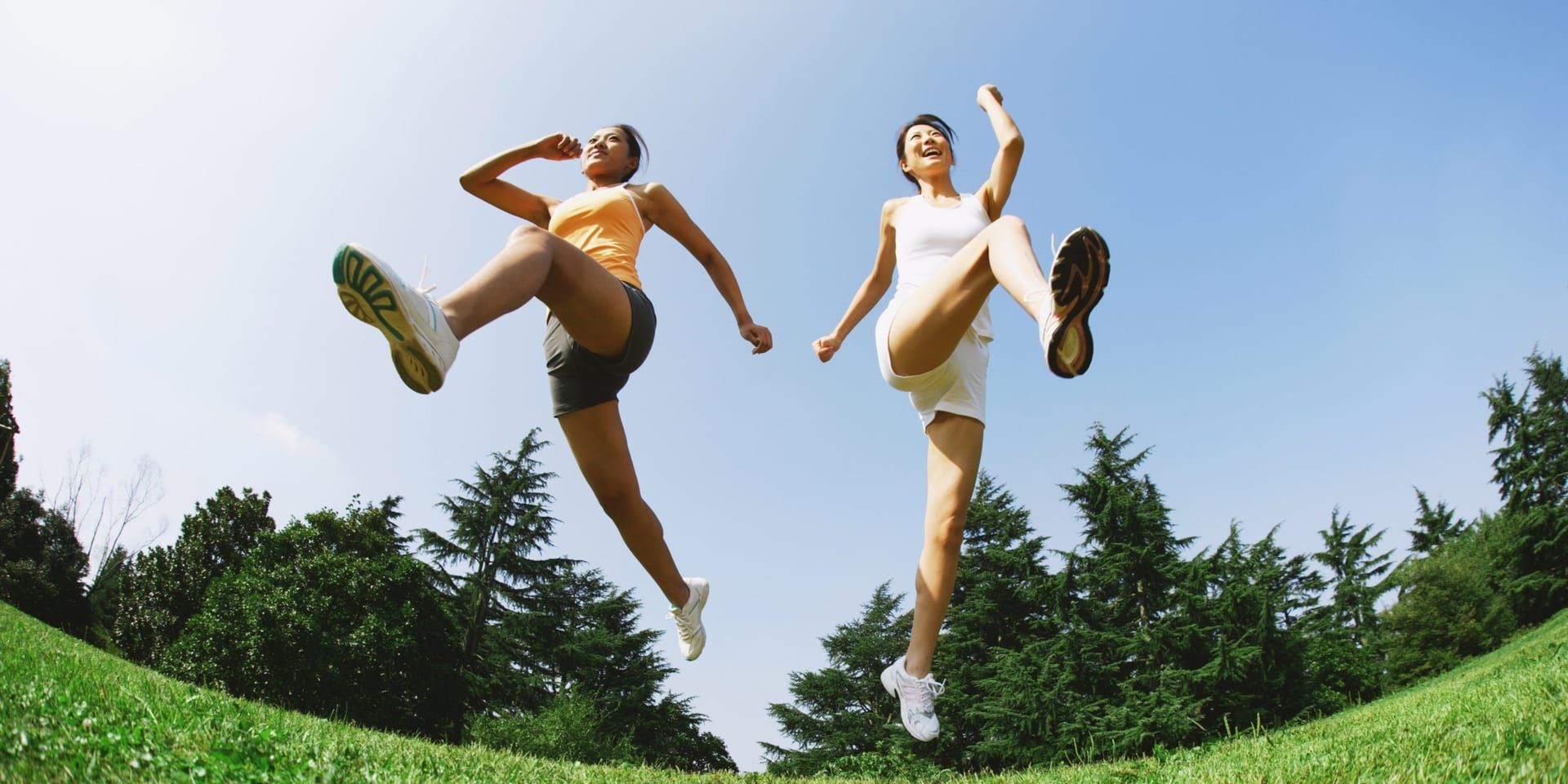
One of the defining features of this movement is accessibility. Community-based wellness groups ranging from neighborhood meditation circles to pop-up fitness gatherings in public parks are becoming more common in cities and suburban areas alike. These spaces often emphasize free or low-cost participation, ensuring that financial barriers do not prevent individuals from engaging in self-care practices.
Many of these programs combine physical activity with mental wellness support. Morning walking groups, yoga sessions, journaling workshops, and group mindfulness practices are often designed to encourage connection as much as personal health. Participants frequently describe these gatherings as both grounding and empowering, offering a sense of belonging in an increasingly fast-paced world.
Women at the Center of Change
Women are playing a central role in leading and shaping these wellness communities. Many of them come from diverse professional backgrounds, including healthcare, education, fitness, counseling, and entrepreneurship. What unites them is a shared goal: making wellness more human-centered and community-driven.
These leaders are also redefining what leadership in wellness looks like. Instead of focusing solely on performance or physical transformation, their approach prioritizes emotional resilience, rest, mental clarity, and sustainable habits. This shift has helped broaden the definition of wellness beyond physical appearance, encouraging more inclusive conversations about health.
In many communities, women-led wellness groups also serve as informal support networks. They create safe environments where individuals can share personal challenges, discuss stress management, and exchange practical advice on balancing work, family, and personal wellbeing.
The Rise of Holistic Lifestyle Practices
Another notable aspect of this trend is the integration of holistic lifestyle practices into everyday routines. Rather than separating wellness into distinct categories like fitness, nutrition, or mental health, many of these initiatives encourage a blended approach.
For example, wellness workshops often combine nutrition education with cooking demonstrations, teaching participants how to prepare simple, nourishing meals at home. Similarly, creative wellness activities such as art therapy sessions, music circles, and nature-based retreats are being used to support emotional expression and relaxation.
This holistic approach reflects a growing understanding that wellbeing is interconnected. Physical health, mental clarity, emotional stability, and social connection are increasingly seen as equally important components of a balanced life.
Community Connection in a Digital Age
While many wellness initiatives take place in physical spaces, digital platforms are also playing a significant role in expanding their reach. Online communities, virtual classes, and social media groups allow participants to stay connected regardless of location.
These digital spaces often serve as extensions of in-person gatherings, offering ongoing encouragement and resources. Women-led wellness collectives, in particular, have embraced online platforms to share guided meditations, fitness routines, and motivational discussions.
Despite the convenience of digital tools, many participants continue to emphasize the importance of in-person connection. The combination of both physical and virtual engagement has created a more flexible and resilient wellness ecosystem.
Impact on Daily Life and Work Culture
The influence of these wellness movements is also being felt in workplaces and professional environments. Employers are increasingly recognizing the value of employee wellbeing programs that go beyond traditional benefits.
Flexible work schedules, mental health days, mindfulness sessions, and wellness stipends are becoming more common in organizations that aim to support holistic employee health. In many cases, women-led wellness advocates are collaborating with companies to design programs that reflect real-life needs rather than standardized corporate models.
This shift has contributed to a broader cultural conversation about work-life balance. Rather than treating wellness as something separate from productivity, it is increasingly being viewed as a foundation for sustainable performance and long-term success.
A Cultural Movement Rooted in Care
At its core, this wellness movement represents a cultural shift toward care care for oneself, for others, and for communities. It reflects a growing awareness that wellbeing is not a destination but an ongoing practice shaped by daily choices and shared experiences.
The emphasis on connection, inclusivity, and emotional wellbeing has made these initiatives particularly meaningful for many participants. They offer a reminder that wellness does not need to be complicated or exclusive to be effective. Instead, it can be woven into ordinary moments walks with neighbors, shared meals, quiet reflection, or supportive conversations.
Looking Ahead
As this movement continues to evolve, it is likely to inspire further innovation in how wellness is understood and practiced. The continued leadership of women in this space is expected to play a significant role in shaping more inclusive, compassionate, and community-centered approaches to health.
What stands out most is not just the variety of wellness activities being introduced, but the values behind them: connection, accessibility, and balance. Together, they signal a growing shift toward a more grounded and human approach to wellbeing in everyday life.

Women’s Reporter Contributor
Covers wellness, personal development, culture, and the changing ways women approach work and life.
This article features partner, contributor, or branded content from a third party. Members of the Women’s Reporter editorial staff were not involved in the creation of this content. All views and opinions are those of the contributor alone.
You may also like
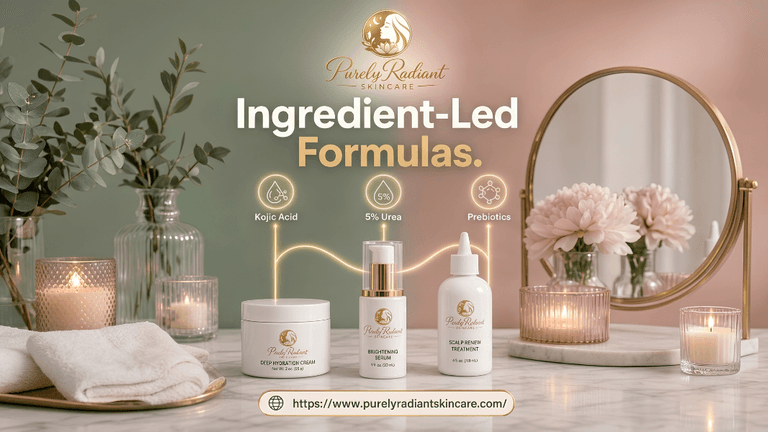
Purely Radiant Skincare LLC: Best Emerging Skincare Brand in the United States of 2026
Ralph Lauren Opens New York Fashion Week With Modern Take on Women's Style

Coco Gauff Leads Strong U.S. Presence as Six Americans Reach U.S. Open Quarterfinals
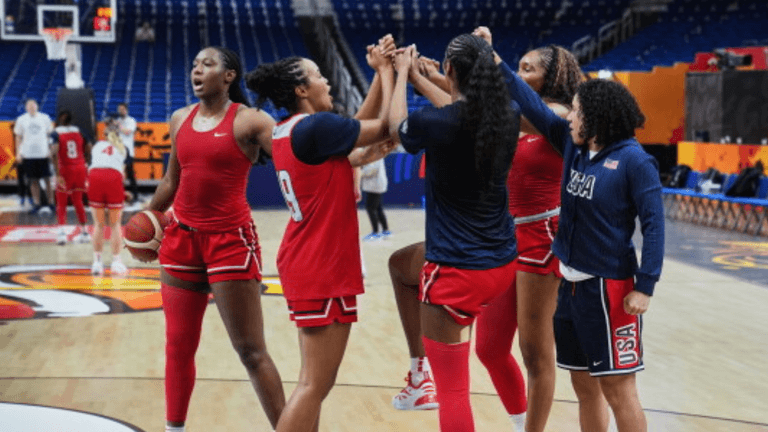
U.S. Women Advance at Basketball World Cup After Narrow Win Over Italy
August Jobs Rebound Brings Mixed News for Women in the U.S. Workforce
Fashion Month Arrives as Designers and Retailers Shift Attention Toward Fall