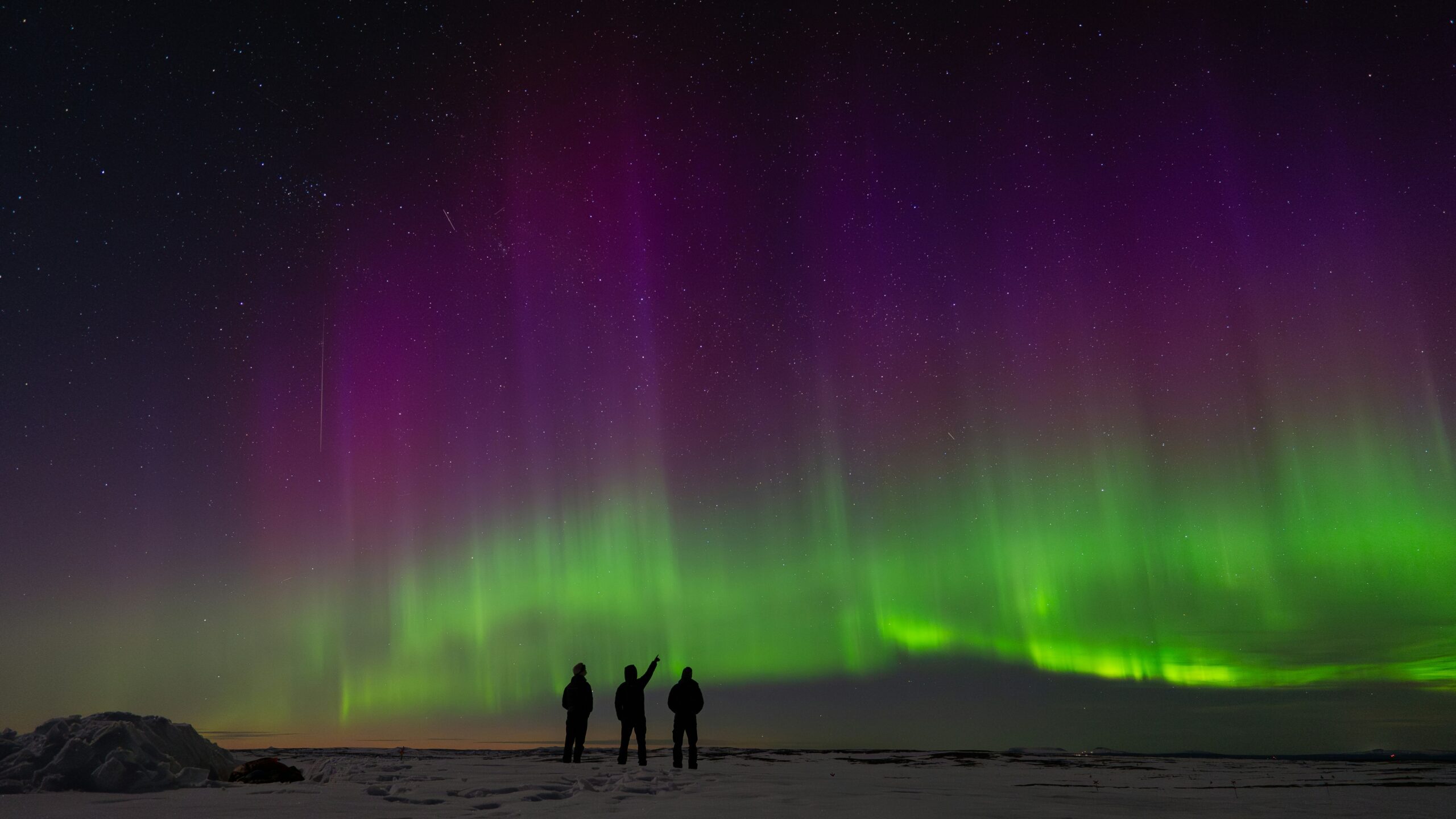
On the night of January 21, 2026, skywatchers in the United States were treated to a rare opportunity to witness the aurora borealis, or northern lights, as geomagnetic activity sparked atmospheric displays visible in parts of the northern U.S. The event was particularly unique, as the lights were potentially visible as far south as the northern tier of the country, including areas like Washington, Idaho, Montana, and the Midwest. This rare natural spectacle brought an added layer of excitement for those who were eager to experience the mesmerizing colors of the aurora borealis in regions where the phenomenon is not commonly seen.
The National Oceanic and Atmospheric Administration (NOAA) had noted ongoing geomagnetic activity that could produce these stunning light displays, making it a noteworthy event for those interested in stargazing and natural wonders. Experts recommend that skywatchers seek out areas with clear skies and minimal light pollution for the best chance to view the aurora. The optimal viewing conditions are typically found in dark, elevated locations away from city lights, which allows for a clearer and more vivid view of the aurora’s colors dancing across the sky.
The northern lights, which occur when charged particles from the sun interact with the Earth’s magnetic field, can appear in a variety of colors, ranging from greens and pinks to reds and purples. The intensity of the colors depends on several factors, including the type of particles involved and their altitude as they enter the atmosphere. While the northern lights are most commonly visible in high-latitude regions such as Scandinavia, Canada, and Alaska, events like the one on January 21, 2026, offer a rare opportunity for those further south to experience the beauty of this celestial display.
For those hoping to catch a glimpse of the aurora, skywatching experts recommend heading out late in the evening, ideally after dark, when the aurora is most likely to be visible. Patience is key, as the lights are often fleeting and unpredictable. Those who venture out into the night to view the northern lights are encouraged to embrace the experience as an opportunity for mindful outdoor exploration, connecting with nature and the vastness of the night sky. Whether it’s the stillness of the landscape or the awe-inspiring light show overhead, witnessing the aurora borealis is a reminder of the natural beauty that exists in the world beyond our daily routines.
This event highlighted the growing interest in celestial phenomena and the connection people have with natural wonders. For many, the chance to see the aurora borealis is a once-in-a-lifetime opportunity, and it encourages a renewed sense of curiosity and appreciation for the mysteries of the universe. As skywatchers across the U.S. turned their eyes to the skies, the night of January 21, 2026, offered a brief but unforgettable glimpse of the northern lights, bringing both beauty and wonder to those fortunate enough to witness it.