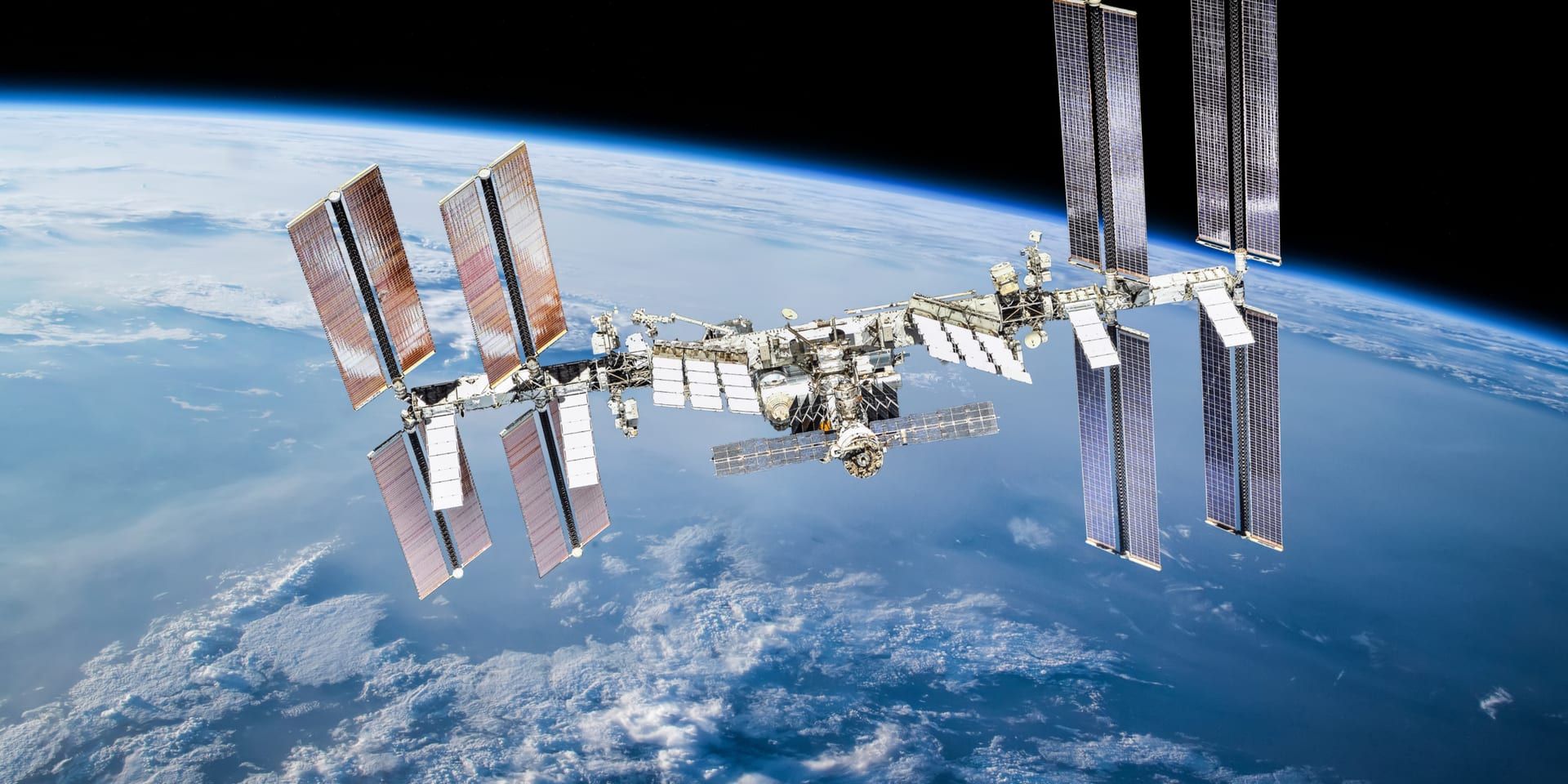
NASA marked a major milestone in its Artemis program with the successful delivery of a key module for the planned lunar-orbiting space station known as the Lunar Gateway. The module, launched earlier this month aboard a commercial rocket, entered its intended orbit and completed initial systems checks, signaling a critical step forward in preparations for sustained human presence near the Moon.
The Artemis program, first announced in 2019, aims to return humans to the lunar surface while building long-term infrastructure to support scientific research and future deep-space missions. Central to this vision is the Lunar Gateway, a small but highly capable station that will orbit the Moon and serve as a staging point for astronaut landings, experiments, and international collaboration.
A Milestone for Deep Space Infrastructure
The newly delivered module designed to provide power, propulsion, and communications capabilities was developed in partnership with both U.S. contractors and international space agencies, including the European Space Agency. According to NASA officials, the module’s successful deployment and activation represent one of the most technically complex achievements of the Artemis program to date.
“This milestone demonstrates that we are steadily building the foundation for long-term exploration beyond Earth orbit,” NASA stated in its official update. Engineers confirmed that the module’s solar arrays deployed correctly and that onboard systems are functioning within expected parameters.
The Lunar Gateway is expected to play a key role in upcoming Artemis missions, including crewed flights that will orbit the Moon and eventually land astronauts on its surface. Unlike the International Space Station, which orbits Earth, the Gateway will operate in a unique near-rectilinear halo orbit, allowing for more efficient travel between the station and the lunar surface.
Why This Matters
The success of this module delivery is significant for several reasons. First, it demonstrates the growing reliability of commercial launch providers working alongside NASA. The mission relied on a privately developed rocket system, highlighting the evolving partnership between government agencies and private aerospace companies.
Second, the Lunar Gateway represents a shift in how space exploration is conducted. Rather than relying solely on Earth-based launches for each mission, the Gateway will enable reusable infrastructure in space reducing costs and increasing mission flexibility over time.
For scientists, the station will offer new opportunities to study the Moon, deep space radiation, and the effects of long-duration spaceflight. These insights are considered essential for future missions to Mars and beyond.
A Global Effort
One of the defining features of the Artemis program is its international collaboration. In addition to NASA and the European Space Agency, partners include the Japan Aerospace Exploration Agency and the Canadian Space Agency. Each organization contributes specialized components and expertise, from robotics to habitation systems.
This cooperative approach reflects a broader trend in space exploration, where shared resources and knowledge help accelerate progress while distributing costs. NASA has emphasized that the Gateway will be open to international crews, reinforcing its role as a symbol of global scientific cooperation.
Impact Beyond Space Exploration
While the Artemis program is primarily focused on space exploration, its ripple effects extend to industries on Earth. Advances in materials science, robotics, and telecommunications developed for space missions often find applications in healthcare, manufacturing, and environmental monitoring.
For example, improved imaging technologies and remote diagnostics originally designed for astronauts have been adapted for use in medical settings. Similarly, innovations in sustainable energy systems, such as advanced solar panels, have influenced renewable energy development on Earth.
The Artemis program has also created new opportunities in STEM fields, encouraging a new generation of scientists, engineers, and researchers. Educational outreach initiatives tied to the program aim to inspire young people, particularly women and underrepresented groups, to pursue careers in science and technology.
What Comes Next
Following this successful module delivery, NASA plans to continue assembling the Lunar Gateway over the next several missions. Additional components, including habitation modules and docking systems, are scheduled for launch in the coming years.
The next major milestone will involve integrating these components and conducting uncrewed test operations before astronauts begin using the station. NASA’s long-term timeline includes multiple crewed Artemis missions, culminating in sustained lunar exploration by the end of the decade.
Key Takeaways
The successful placement of a Lunar Gateway module marks a pivotal moment in modern space exploration. It highlights the effectiveness of international collaboration, the growing role of commercial spaceflight, and the importance of building sustainable infrastructure beyond Earth.
As NASA continues to advance the Artemis program, the focus is shifting from short-term missions to long-term presence in space. The progress made today lays the groundwork for future exploration not only of the Moon but also of Mars and deeper regions of the solar system.

Women’s Reporter Contributor
Covers women in business, entrepreneurship, and career development.
This article features partner, contributor, or branded content from a third party. Members of the Women’s Reporter editorial staff were not involved in the creation of this content. All views and opinions are those of the contributor alone.
You may also like

Purely Radiant Skincare LLC: Best Emerging Skincare Brand in the United States of 2026
Ralph Lauren Opens New York Fashion Week With Modern Take on Women's Style


Coco Gauff Leads Strong U.S. Presence as Six Americans Reach U.S. Open Quarterfinals
U.S. Women Advance at Basketball World Cup After Narrow Win Over Italy


August Jobs Rebound Brings Mixed News for Women in the U.S. Workforce
Fashion Month Arrives as Designers and Retailers Shift Attention Toward Fall