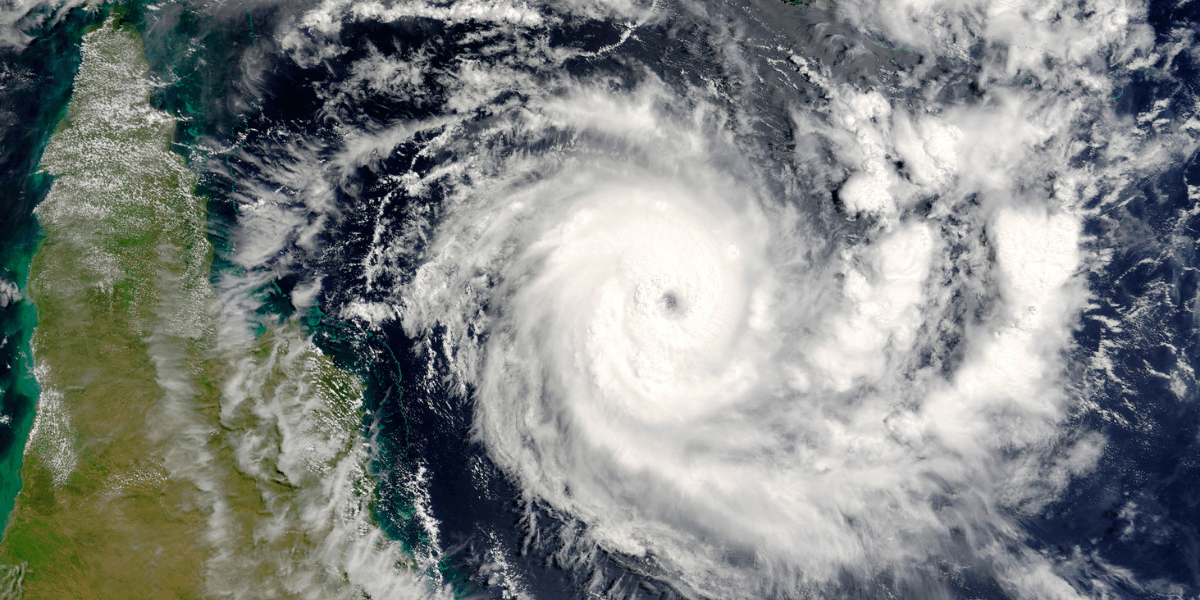
On March 16, 2026, a powerful storm system brought widespread and varied severe weather conditions across large portions of the United States. The system produced heavy snow, high winds, and severe thunderstorms from the Upper Midwest into the Eastern Seaboard, affecting millions of residents, businesses, and transportation networks. Meteorologists described the event as a “triple‑threat storm” due to the combination of hazards it delivered over multiple regions.
The storm’s broad geographic impact was evident in a range of weather phenomena. In the Upper Midwest, parts of Minnesota, Wisconsin, and Michigan experienced significant snowfall, with some areas recording more than two feet of snow. These blizzard‑like conditions led to hazardous travel and contributed to hundreds of flight cancellations at major airports.
Meanwhile, the eastern United States, including states from South Carolina through Maryland, faced the threat of damaging winds and tornadoes. Sustained high winds and embedded severe thunderstorms prompted closures of schools in North Carolina and heightened emergency management responses in several communities. Winds reaching 60–70 mph created challenges for both residents and infrastructure.
In the Midwest and Great Lakes region, utilities reported widespread outages. Over 210,000 customers lost power in several states as gusts brought down trees and power lines. Nebraska contended with an unusual mix of high winds and dry conditions that fueled wildfires, requiring assistance from the National Guard and local firefighting resources.
Separately, a related storm system in the Pacific region unleashed heavy rainfall in Hawaii, particularly on the island of Maui. More than 20 inches of rain fell in some areas, prompting evacuations, road closures, and concerns about flooding and mudslides.
Travel Disruptions and Public Safety Responses
The effects of the storm system were wide‑reaching. In Chicago and Minneapolis, airline operations faced major disruptions. More than 850 flights out of Chicago and over 600 flights out of Minneapolis were canceled as airports grappled with hazardous runway conditions and reduced visibility caused by snow and wind. These cancellations affected thousands of travelers and highlighted how rapidly changing weather can impact logistical networks during peak travel periods.
State and local emergency services in affected regions issued warnings and advisories, encouraging residents to limit travel, prepare emergency supplies, and stay informed through local weather updates. Some public transportation services adjusted schedules or suspended operations temporarily to protect riders and workers.
In areas under risk of tornadoes and high winds, such as parts of the Southeast, officials reminded communities to have safety plans in place. Tornado watches and warnings were issued, particularly in northern South Carolina, southern Virginia, and southern Maryland.
Economic and Community Impacts
The storm’s disruption extended beyond immediate safety concerns. Businesses dependent on transportation, hospitality, and retail saw reduced foot traffic, delayed deliveries, and operational challenges. Snow removal costs and emergency response expenditures placed added financial burdens on municipal governments already managing fiscal pressures early in the calendar year.
Community celebrations and routine events were affected. For example, large public gatherings scheduled in the storm’s path faced logistical hurdles, with some organizers adjusting plans or communicating changes to participants. Yet, local traditions such as the 71st annual Bay City St. Patrick’s Day Parade in Michigan proceeded with community engagement and festive spirit despite lingering weather concerns.
Human Interest and Resilience
Amid the broader disruptions, stories of local resilience emerged. Neighbors helped each other clear driveways, community centers opened warming stations for those without power, and volunteers assisted with sandbag efforts in flood‑prone areas. These responses illustrated how communities rally during widespread disturbances.
The storm also coincided with other notable cultural moments reported on March 16, including ongoing entertainment highlights such as celebrity appearances around the Oscar week festivities in Hollywood and developments in collegiate athletics with teams securing tournament seeding.
Key Takeaways for the Public
- Preparation matters. Weather systems of this magnitude can evolve rapidly. Residents in regions prone to snow, wind, or severe thunderstorms benefit from advance planning, such as stocking emergency kits, monitoring forecasts, and heeding official advisories.
- Infrastructure resilience. The widespread outages and travel disruptions highlight the importance of investments in resilient infrastructure and responsive utility systems to withstand severe weather.
- Community coordination. Collaborative efforts among local governments, emergency responders, and residents are critical to minimizing risks and supporting recovery efforts when natural hazards strike.
As spring approaches, this multi‑day storm serves as a reminder that weather extremes can span a wide range of conditions and regions. Staying informed and prepared remains essential for navigating unpredictable weather patterns and safeguarding communities.

Women’s Reporter Contributor
Covers women in business, entrepreneurship, and career development.
This article features partner, contributor, or branded content from a third party. Members of the Women’s Reporter editorial staff were not involved in the creation of this content. All views and opinions are those of the contributor alone.
You may also like

The Feline Soul Reader: Indrani Das on Healing
Mindset Magic™ And The Shift That Takes Weight Loss Beyond Willpower


JUNE&PEARL And The Art Of Knowing When A Beautiful Thing Is Finished
Women’s Scalp Micropigmentation: A Subtle Approach to Fuller Looking Hair


Andrea Williams And The Beloved Standard
Lynita Mitchell-Blackwell Redefines Legacy Planning