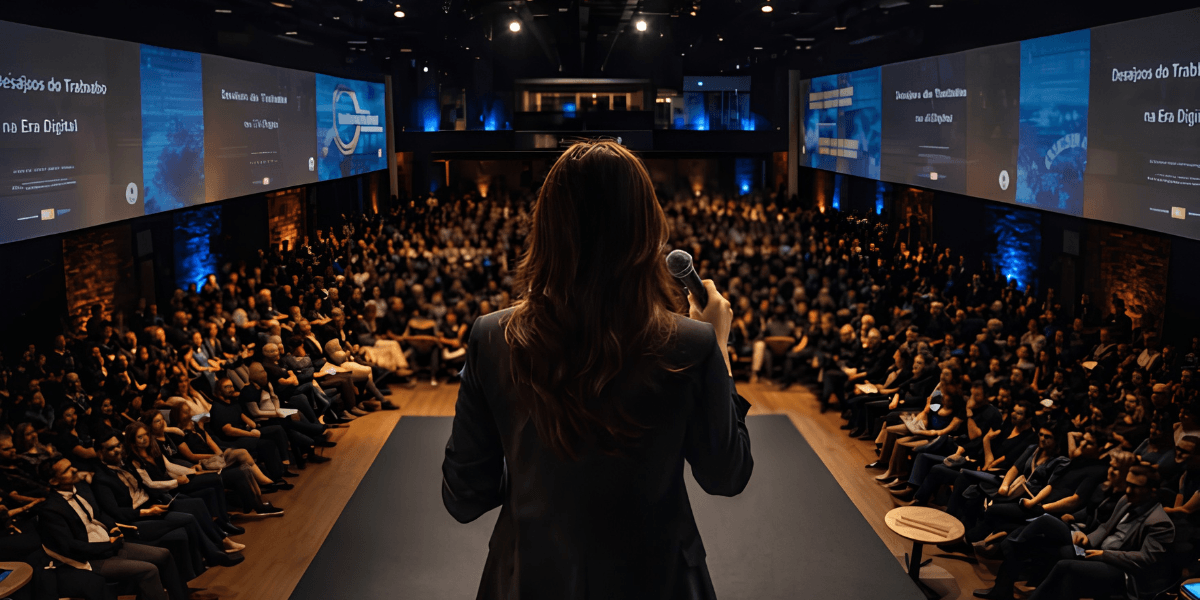
Women business leaders gathered for a national leadership summit focused on attracting and retaining talent, strengthening organizational performance and developing more inclusive workplaces.
The Women in Leadership Summit, held as businesses continued adapting to changing workforce expectations, brought attention to the leadership challenges facing organizations seeking to develop and retain skilled employees.
The event reflected a broader shift in corporate discussions about women's leadership. Rather than treating representation as a standalone workplace issue, companies increasingly examine how leadership development affects recruitment, retention and long-term business performance.
Leadership Development Takes a Practical Focus
The summit centered on practical leadership issues rather than simply celebrating women's professional achievements.
Attracting qualified employees has become an important challenge for businesses across many industries. Companies compete for workers with technical expertise, management experience and specialized skills, while employees increasingly evaluate employers based on culture, flexibility and opportunities for advancement.
Leadership can influence all of those factors.
Managers determine how teams communicate, how employees receive feedback and whether workers see opportunities for professional growth.
For that reason, leadership development can have direct consequences for employee retention.
Women Continue Expanding Their Leadership Roles
Women hold leadership positions across industries ranging from technology and finance to healthcare, manufacturing, retail and professional services.
Their increased presence in senior roles has also changed the conversation around workplace development.
Women leaders often navigate many of the same challenges as other executives, including managing teams, meeting financial targets and responding to market changes. At the same time, organizations continue examining barriers that can affect women's progression into senior positions.
Leadership programs and professional networks can provide opportunities for women to exchange experiences and develop relationships that support career advancement.
Retaining Talent Becomes a Business Priority
Employee retention has become increasingly important as companies face the cost of replacing experienced workers.
Replacing an employee can require recruitment expenses, training time and lost productivity. In specialized positions, the impact can be greater because new employees may require months to develop the same level of knowledge as someone who has worked within an organization for years.
That makes workplace culture a business consideration.
Organizations that provide clear advancement opportunities and supportive management may have a better chance of retaining employees who have valuable skills and institutional knowledge.
Leadership and Organizational Performance
The summit also connected leadership development with broader organizational performance.
Effective managers can help employees understand priorities, resolve conflicts and maintain productivity during periods of change.
Those responsibilities have become more complicated as businesses adopt artificial intelligence, remote and hybrid work arrangements and new digital tools.
Leaders must increasingly manage teams that may not work in the same location or use the same tools they used several years ago.
That requires communication skills as well as technical understanding.
The Importance of Inclusive Workplaces
Creating inclusive workplaces was another important element of the leadership discussion.
An inclusive workplace does not simply involve hiring employees from different backgrounds. It also involves creating conditions in which employees can contribute, develop skills and compete for advancement.
For women, access to leadership opportunities can affect both individual careers and the composition of senior management.
Organizations that develop broader leadership pipelines can also reduce their dependence on a small group of potential successors.
Mentorship and Professional Networks
Professional networks remain important for women seeking advancement.
Mentorship can provide employees with guidance about career decisions, management responsibilities and organizational dynamics. Networking can also help professionals identify opportunities that may not be visible through traditional recruitment channels.
Leadership events provide a structured environment for those relationships to develop.
The value of such gatherings is not limited to formal presentations. Conversations between executives and emerging leaders can create connections that continue long after an event ends.
A Changing Leadership Environment
The Women in Leadership Summit reflected a business environment in which leadership development is increasingly connected to workforce strategy.
Companies cannot simply recruit employees and expect them to remain indefinitely. They must create systems that help people develop skills, take on greater responsibilities and see a future within the organization.
For women, those opportunities can be particularly important as businesses continue working toward broader representation in senior leadership.
The summit's focus on attracting and retaining talent demonstrated that women's leadership is not only a question of representation. It is also connected to how organizations build competitive workforces.
As businesses navigate technological change and increasingly complex labor markets, leadership development will remain an important part of maintaining organizational performance. Events focused on women leaders provide one forum for examining how those strategies can evolve.

Women’s Reporter Contributor
Covers women in business, entrepreneurship, and career development.
This article features partner, contributor, or branded content from a third party. Members of the Women’s Reporter editorial staff were not involved in the creation of this content. All views and opinions are those of the contributor alone.
You may also like

From Nurse to Network Leader: Simone Herzog
Behind the Blueprint: The Firm Powering Behavioral Health Growth in All 50 States


From Clutter to Calm: How Jamie Wild Is Redefining Organization With Style and Confidence
California's IVF Insurance Rules Expand Coverage While Leaving Some Patients With Significant Costs


SasSea Wraps Rethinks the Hair Tie for Life in Motion
Scent of Yoga: Where Laws Follow Culture