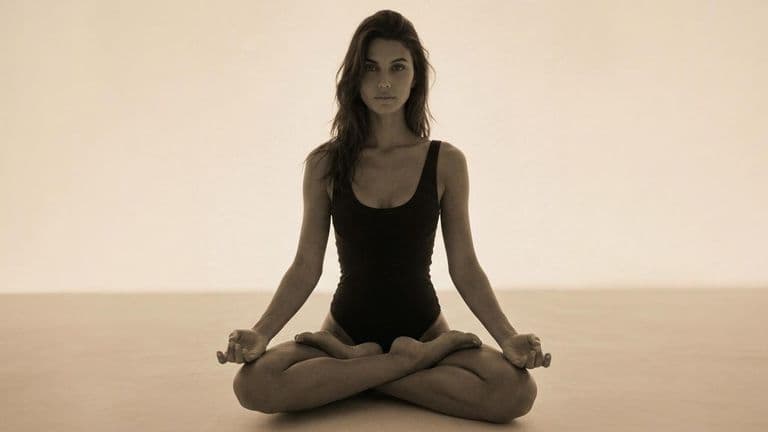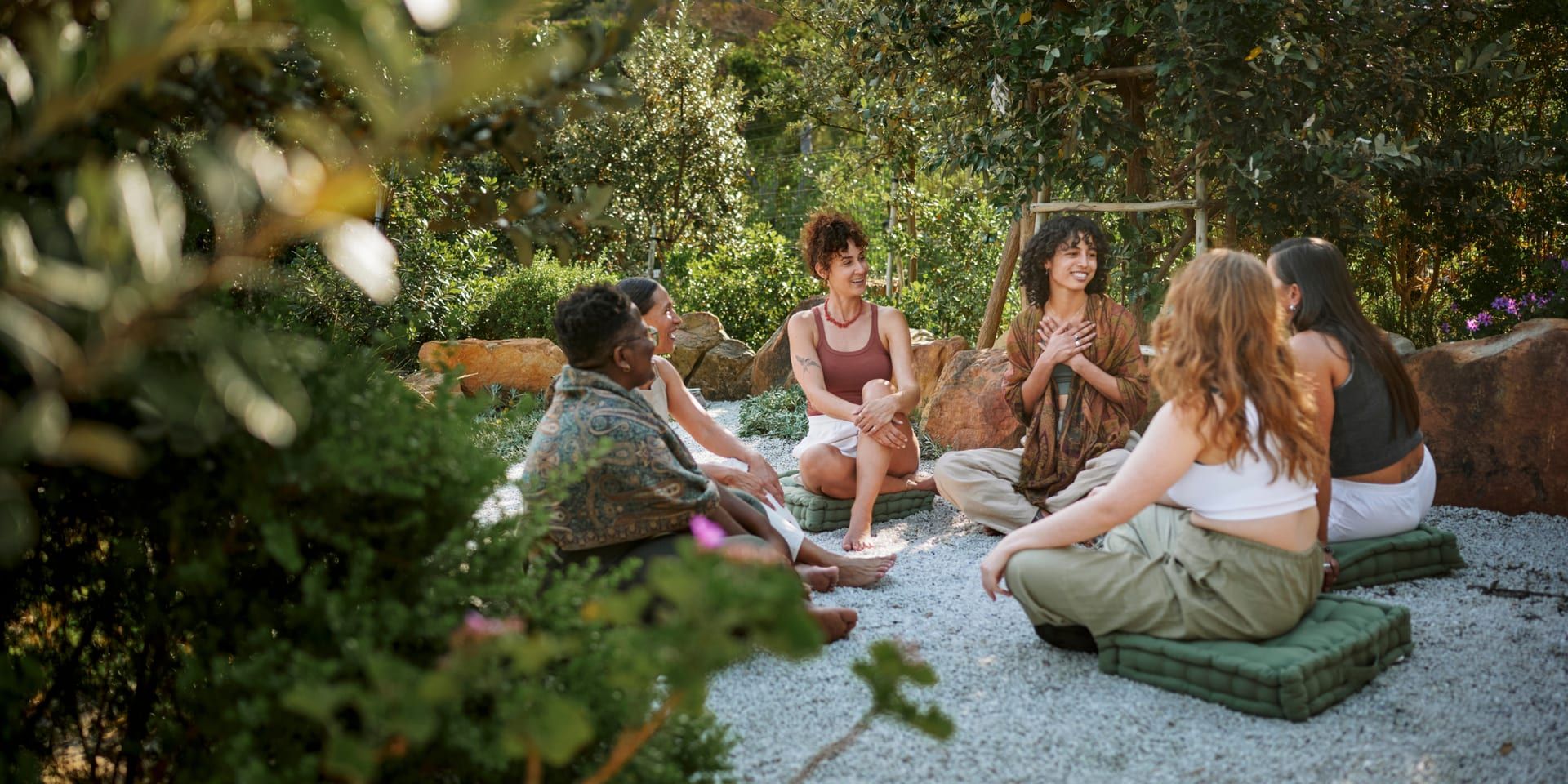
Across the United States, women-centered wellness communities are seeing remarkable growth in 2026 as more women prioritize mental well-being, healthy living, and meaningful social connection. From local walking clubs and fitness collectives to mindfulness workshops and community wellness events, these supportive spaces are helping women build healthier routines while fostering a sense of belonging.
Health experts and community organizers say the trend reflects a broader shift toward balanced lifestyles and supportive social environments. Many women are increasingly seeking activities that improve both physical and emotional wellness while also creating opportunities for connection outside of work and digital spaces.
In major cities and smaller communities alike, wellness groups focused on walking, yoga, meditation, journaling, and self-care gatherings have gained popularity over the past year. Organizers report that attendance has continued to rise as women look for positive, low-pressure environments where they can focus on personal growth and community support.
Lifestyle experts note that these groups often provide benefits beyond exercise. Participating in social wellness activities can help reduce stress, encourage healthier habits, and improve overall emotional well-being. Many women say these gatherings also offer an important opportunity to slow down, recharge, and connect with others who share similar goals.
The movement has been especially visible on social media, where women are sharing wellness routines, community events, and inspirational lifestyle content centered on balance and positivity. Platforms like Instagram and TikTok have helped smaller wellness communities expand their reach, inspiring women nationwide to participate in local events and self-care initiatives.
Another key factor behind the growth of women-focused wellness spaces is accessibility. Many organizers intentionally create affordable or free community experiences, making wellness more approachable for women from different backgrounds and age groups. Walking groups, outdoor meetups, and public wellness events have become especially popular because they encourage participation without requiring expensive memberships or equipment.
Mental wellness has also become a major focus in 2026. Community leaders say women are placing greater importance on mindfulness, emotional resilience, and maintaining healthy daily routines. As a result, workshops centered on stress management, meditation, creative hobbies, and work-life balance have continued to attract strong interest.
For younger women, these communities often serve as valuable networking and friendship spaces. Many participants say joining wellness groups has helped them develop confidence, establish supportive friendships, and create healthier daily habits. Older participants have also embraced the trend, appreciating the social connection and positive atmosphere these gatherings provide.
Businesses within the wellness and lifestyle industries are responding as well. Fitness studios, wellness brands, and local organizations are increasingly partnering with community groups to host events focused on self-care, nutrition, mindfulness, and women’s empowerment. These collaborations have contributed to a growing culture centered on encouragement, inclusivity, and healthy living.
Experts believe the continued popularity of wellness communities highlights a larger cultural shift toward intentional living. Rather than focusing solely on productivity and busy schedules, many women are embracing routines that prioritize emotional well-being, meaningful relationships, and long-term health.
As wellness continues evolving in 2026, women-led communities are playing an important role in shaping a more supportive and connected lifestyle culture across the country. With their focus on positivity, balance, and empowerment, these spaces are helping women create healthier habits while building stronger social connections that extend far beyond fitness alone.

Women’s Reporter Contributor
Covers beauty, wellness, lifestyle, and popular culture.
This article features partner, contributor, or branded content from a third party. Members of the Women’s Reporter editorial staff were not involved in the creation of this content. All views and opinions are those of the contributor alone.
You may also like
From Nurse to Network Leader: Simone Herzog
Behind the Blueprint: The Firm Powering Behavioral Health Growth in All 50 States

From Clutter to Calm: How Jamie Wild Is Redefining Organization With Style and Confidence
California's IVF Insurance Rules Expand Coverage While Leaving Some Patients With Significant Costs

SasSea Wraps Rethinks the Hair Tie for Life in Motion
Scent of Yoga: Where Laws Follow Culture