As the holiday season reaches its peak around Christmas Day 2025, many Americans are juggling a whirlwind of traditions, gatherings, travel plans, and year‑end obligations. While this time of year brings joy and celebration, it also presents unique challenges to maintaining physical and mental well‑being. Health and wellness experts are reminding people that it’s possible to enjoy festive celebrations without sacrificing overall health by adopting mindful, balanced practices that fit into even the busiest schedules.
For many, the holidays mean a break from regular routines. Work schedules may shift, children may be out of school, and social calendars can fill up quickly with parties, dinners, and family events. These disruptions can make it harder to stick to regular sleep patterns, meal plans, and exercise habits. However, professionals in community health and wellness emphasize that flexibility, rather than rigidity, is key. Adjusting routines in ways that honor both holiday priorities and personal well‑being can help prevent the stress and fatigue that often accompany end‑of‑year festivities.
One of the most frequently highlighted strategies for staying well through the holidays is to remain physically active. The idea isn’t to maintain a strict gym schedule at all costs, but to find ways to keep the body moving that feel fun and appropriate for the season. Many fitness trainers have suggested “themed” holiday workouts that tie movement to seasonal elements — for example, brisk winter walks in festive neighborhoods, family yoga sessions in the living room, or even short, gentle stretches done between holiday preparations. Even small amounts of daily activity, such as a 15‑ or 20‑minute walk after meals, can help support digestion, energy levels, and mood.
Experts also encourage people to listen to their bodies and choose activities that feel restorative rather than exhausting. For individuals dealing with travel, late nights, or back‑to‑back social events, low‑impact exercises like stretching, gentle cycling, or tai chi can provide beneficial movement without adding stress. The goal is to sustain consistent physical activity in a way that enhances the holiday experience rather than competes with it.
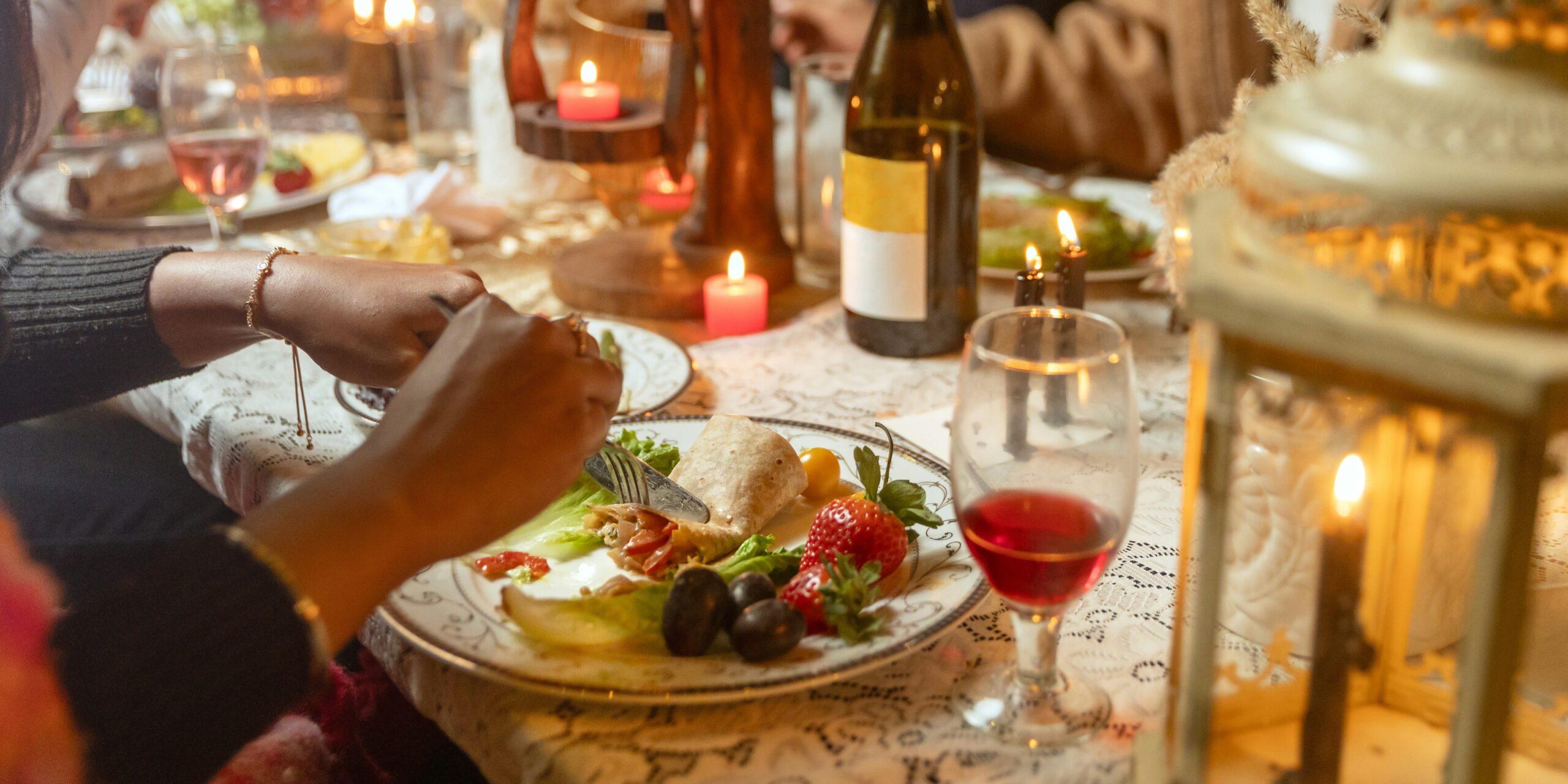
Nutrition is another area where mindful choices can make a significant impact. Holiday meals are often associated with rich, calorie‑dense foods that may be departures from one’s usual diet. Wellness professionals recommend approaching those meals with intentionality. Instead of aiming for perfection or restriction, people can strive for balance — filling half their plate with vegetables and lean proteins, enjoying favorite seasonal dishes in moderation, and being mindful of portion sizes. Keeping healthy snacks on hand, such as fresh fruit, nuts, or yogurt, can also help prevent overeating when social events are spread throughout the day.
Hydration is frequently overlooked during holiday celebrations, but it plays a critical role in overall health. With the possibility of indulging in festive beverages, it’s important to drink adequate water throughout the day. Staying well‑hydrated supports digestion, helps regulate appetite, and can reduce the likelihood of headaches or fatigue. Water doesn’t need to be boring; infusing it with slices of citrus fruits, herbs like mint, or berries can make hydration feel more festive and enjoyable.
Sleep, too, is an essential part of holiday wellness. With longer nights, travel, and packed schedules, many people find their sleep routines disrupted. Health specialists stress that sleep should be a priority, not an afterthought. Even amid celebrations, setting a consistent bedtime and creating a restful environment — such as dimming lights, reducing screen time before bed, and keeping the bedroom cool and quiet — can support restorative rest. When consistent sleep isn’t possible, short naps or restful breaks during the day can help bridge the gap without interfering with nighttime sleep patterns.
Emotional well‑being during the holidays deserves attention as well. For some, the season brings up strong feelings — joy, nostalgia, stress, or even loneliness. Mental health professionals remind people that it’s okay to set boundaries, practice self‑care, and take breaks from social obligations when needed. Self‑care can take many forms, from quiet moments with a warm cup of tea and a favorite book to deliberate practices like meditation, journaling, or deep breathing exercises. These small acts can go a long way in maintaining emotional balance amid potentially overwhelming social schedules.
Connection with loved ones is often at the heart of holiday celebrations, and fostering positive social interactions can be uplifting. Experts recommend being present and engaged during gatherings, listening actively, and expressing appreciation — actions that can deepen relationships and enhance overall satisfaction with the season. At the same time, acknowledging that every family gathering may not be perfect can reduce stress. Accepting imperfection and focusing on joy, connection, and gratitude helps shift the emphasis from stress to celebration.
For individuals managing chronic conditions or specific health concerns, the holidays may present additional challenges. Healthcare providers advise planning ahead — whether that means packing medications during travel, researching healthy dining options when eating out, or communicating with hosts about dietary needs. Planning ahead reduces anxiety and ensures that health needs are not overlooked amid festivities.
Financial stress, another common holiday concern, can also affect health. Experts encourage setting realistic budgets, communicating openly about gift expectations, and focusing on experiences rather than material gifts when possible. Reducing financial pressure can alleviate stress and contribute to a more peaceful holiday experience.
Ultimately, wellness professionals emphasize that a balanced approach to holiday health is about integration rather than division — incorporating mindful movement, balanced eating, adequate rest, emotional care, and social connection in ways that honor both personal well‑being and seasonal traditions. Rather than viewing health as a separate task that competes with holiday enjoyment, it can be woven into celebrations in ways that enhance the overall experience.
As the holiday season unfolds and communities celebrate, embracing these simple, adaptable practices can help individuals and families maintain their physical, emotional, and social well‑being. In doing so, the holidays can be both joyful and health‑affirming, leaving people feeling refreshed and balanced as they transition into the new year.